

When you’re building a Ryzen 7 9800X3D system, your RAM choice directly impacts gaming and workload performance. You’ll need to decide between DDR5 and DDR4, then select the right speed and timing specifications for your motherboard. The four RAM options we’ve identified offer different benefits depending on your budget and board type. Here’s how to pick the right one for your setup.
| AMD RYZEN 7 9800X3D 8-Core 16-Thread Desktop Processor |

| Processor Foundation | Memory Type: Desktop Processor (not RAM) | Capacity: N/A (CPU) | Speed: 4.7 GHz base / 5.2 GHz boost (CPU) | VIEW LATEST PRICE | Read Our Analysis |
| CORSAIR Vengeance LPX DDR4 RAM 16GB 3200MHz |

| Reliable Performance | Memory Type: DDR4 | Capacity: 16GB (2x8GB) | Speed: 3200 MHz | VIEW LATEST PRICE | Read Our Analysis |
| TEAMGROUP T-Force Delta RGB DDR4 16GB Gaming RAM |
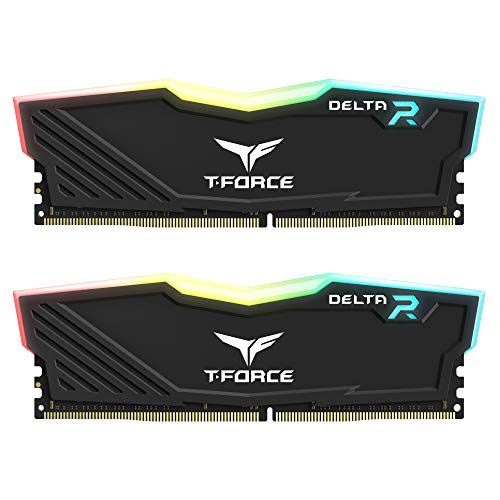
| RGB Gaming Choice | Memory Type: DDR4 | Capacity: 16GB (2x8GB) | Speed: 3600 MHz | VIEW LATEST PRICE | Read Our Analysis |
| Patriot Viper 3 DDR3 16GB Gaming RAM Kit |

| Budget Gaming Option | Memory Type: DDR3 | Capacity: 16GB (2x8GB) | Speed: 1600 MHz | VIEW LATEST PRICE | Read Our Analysis |
More Details on Our Top Picks
AMD RYZEN 7 9800X3D 8-Core 16-Thread Desktop Processor
Why does RAM pairing matter for your processor? Your Ryzen 7 9800X3D demands compatible memory to unleash its full potential. This 8-core, 16-thread processor features 104 MB total cache and runs at 4.7 GHz base with 5.2 GHz boost capability. It uses the AM5 socket and requires Windows 11. Choose DDR5 RAM for peak performance since the Ryzen 9000 Series architecture supports this faster standard. Verify your motherboard accepts DDR5 modules before purchasing. Select RAM with speeds matching your motherboard’s rated specifications. Install the memory sticks into the designated slots, then adjust BIOS settings to enable XMP profiles for enhanced performance and stability.
- Memory Type:Desktop Processor (not RAM)
- Capacity:N/A (CPU)
- Speed:4.7 GHz base / 5.2 GHz boost (CPU)
- Form Factor:Socket AM5 (CPU)
- Heat Management:Improved thermal performance vs previous gen
- Gaming/Performance Focus:World’s fastest gaming processor
- Additional Feature:104 MB total cache
- Additional Feature:~16% IPC performance uplift
- Additional Feature:140W TDP efficiency
CORSAIR Vengeance LPX DDR4 RAM 16GB 3200MHz
If you’re building a compact system or working within tight spatial constraints, the CORSAIR Vengeance LPX DDR4 RAM stands out as your best choice for the Ryzen 7 9800X3D. This 16GB kit operates at 3200MHz with CL16 latency, delivering stable performance for gaming and multitasking. The low-profile 34mm height fits small-form-factor cases without clearance issues. Install both 8GB modules into your motherboard’s DIMM slots, then enable Intel XMP 2.0 in BIOS for automatic optimization. The aluminum heatspreader efficiently dissipates heat, maintaining stable temperatures during extended use. With hand-sorted memory chips and a limited lifetime warranty, you’re getting reliable performance that pairs well with your processor’s capabilities.
- Memory Type:DDR4
- Capacity:16GB (2x8GB)
- Speed:3200 MHz
- Form Factor:DIMM 288-pin
- Heat Management:Aluminum heatspreader
- Gaming/Performance Focus:High-performance with overclocking headroom
- Additional Feature:Intel XMP 2.0 support
- Additional Feature:Hand-sorted memory chips
- Additional Feature:Limited lifetime warranty
TEAMGROUP T-Force Delta RGB DDR4 16GB Gaming RAM
You’ll want the TEAMGROUP T-Force Delta RGB if you’re building a high-performance gaming setup that demands both speed and visual appeal. This 16GB kit (2x8GB) runs at 3600MHz with CL18 latency, delivering solid performance for the Ryzen 7 9800X3D. The aluminum alloy heat spreader keeps temperatures managed during intensive gaming sessions. You’ll appreciate the Force Flow RGB lighting, which syncs with ASUS Aura software for coordinated system aesthetics. The asymmetric minimalist design fits most cases without obstruction. Operating at 1.2V–1.4V, it maintains energy efficiency. This module balances gaming performance, cooling capability, and visual customization effectively.
- Memory Type:DDR4
- Capacity:16GB (2x8GB)
- Speed:3600 MHz
- Form Factor:Desktop DIMM
- Heat Management:Aluminum alloy heat spreader
- Gaming/Performance Focus:Gaming RAM with RGB lighting
- Additional Feature:120-degree ultra-wide lighting
- Additional Feature:Force Flow RGB effects
- Additional Feature:ASUS Aura Sync compatible
Patriot Viper 3 DDR3 16GB Gaming RAM Kit
The Patriot Viper 3 DDR3 16GB kit isn’t compatible with the Ryzen 7 9800X3D, and here’s why that matters for your build decision. The Ryzen 7 9800X3D requires DDR5 memory, but this kit uses DDR3 technology. The motherboards supporting the 9800X3D don’t have DDR3 slots—they only accept DDR5 DIMMs. Additionally, this kit’s tested compatibility covers Intel 6th and 7th generation processors and AMD 9th series, which are significantly older platforms. You’d need to select DDR5 RAM instead to build a functional system with the 9800X3D.
- Memory Type:DDR3
- Capacity:16GB (2x8GB)
- Speed:1600 MHz
- Form Factor:240-pin UDIMM
- Heat Management:Not specified
- Gaming/Performance Focus:Gaming memory kit
- Additional Feature:XMP 1.3 overclocking support
- Additional Feature:10-10-10-27 tight timings
- Additional Feature:Intel 6th/7th gen tested
Factors to Consider When Choosing RAM for Ryzen 7 9800X3D
When selecting RAM for your Ryzen 7 9800X3D, you’ll need to evaluate memory speed compatibility with your motherboard, compare DDR4 versus DDR5 performance gains for your workload, and assess latency and timing specifications that affect real-world responsiveness. You should also examine thermal management solutions to ensure your RAM doesn’t throttle under sustained loads, and consider overclocking headroom potential if you plan to push your system beyond stock settings. These factors work together to determine whether you’ll achieve maximum performance from your CPU without bottlenecks or stability issues.
Memory Speed Compatibility
Why does memory speed matter for your 9800X3D? Faster RAM directly improves how quickly your CPU accesses data, reducing bottlenecks in gaming and productivity tasks. Your 9800X3D performs best with DDR5 memory running between 3600–6000 MT/s, depending on your motherboard’s capabilities.
Start by checking your motherboard’s QVL (qualified vendor list) to confirm which speeds it officially supports. Next, enable XMP or DOCP profiles in your BIOS—these preset overclocking settings activate your RAM’s rated speed automatically. If your board lacks official support for your RAM’s speed, manually adjust voltage and timing parameters, but verify stability through stress testing first.
Higher speeds feed your massive cache more efficiently, delivering tangible frame rate improvements.
DDR4 Vs DDR5 Performance
Should you stick with DDR4 or upgrade to DDR5 for your 9800X3D? First, check your motherboard’s compatibility, as the Ryzen 7 9800X3D supports only DDR4. If your board uses DDR4, prioritize RAM rated 3200–3600 MHz with tight CAS latency (CL16 or lower) for optimal gaming performance. DDR5 offers higher bandwidth potential, but it typically carries increased power consumption and higher latency that can offset throughput gains on latency-sensitive workloads. For your 9800X3D’s architecture and cache advantages, faster DDR4 with lower timings delivers more noticeable performance improvements in gaming than early DDR5 platforms. Choose DDR4 first, then select the highest frequency and lowest latency combination your budget allows.
Latency And Timing Impact
How much does RAM latency actually affect your 9800X3D’s performance? CAS latency, shown as CL16 or CL20, directly impacts how quickly your CPU accesses data. Lower latency like CL16 improves gaming responsiveness and frame rates compared to CL20. You’ll also notice timing sequences like CL16-20-20-38 matter—tighter timings mean faster overall memory performance. To maximize your 9800X3D, pair DDR4 memory with CL16 timing when possible. Higher frequency like 3600MHz can partially offset latency drawbacks, but latency remains critical for gaming workloads. Use dual-channel kits (2x8GB) to reduce latency penalties through improved interleaved access. Remember that achieving tight timings requires stable voltage—typically 1.35V supports CL16, though higher voltage increases thermals.
Thermal Management Solutions
Thermal performance matters substantially when you’re selecting RAM for your Ryzen 7 9800X3D because memory modules generate heat during operation, and excessive temperatures can cause your system to throttle and lose performance during extended gaming sessions. Choose RAM with aluminum heatspreaders, which dissipate heat faster than alternatives. Select low-profile modules around 34 mm tall to ensure compatibility with large CPU coolers and maintain airflow around memory. Opt for DDR4 memory running at 3200–3600 MHz with efficient heat dissipation to minimize thermal buildup from higher voltages. Improve case airflow by balancing intake and exhaust fans to prevent hotspots around the RAM area. These steps preserve stable memory performance and help your processor maintain boost clocks consistently.
Overclocking Headroom Potential
When you’re pushing your Ryzen 7 9800X3D beyond stock settings, your RAM choice directly determines how far you can safely increase frequencies and tighten timings without crashing or destabilizing your system. Choose DDR4 modules rated at 3600 MHz CL18 or higher to gain practical overclocking headroom over baseline 3200 MHz kits. Prioritize dual-channel 16GB configurations (2x8GB) for balanced memory bandwidth on your 8-core processor. Select kits with lower voltage designs between 1.2V and 1.4V to improve efficiency during aggressive XMP or manual tuning profiles. Invest in premium options featuring high-quality PCBs, individually screened ICs, and robust heat spreaders—these components provide the stability foundation you’ll need for sustained gaming workloads under overclocked conditions.
Budget Vs Performance Balance
What’s the smartest way to spend your money on RAM for the Ryzen 7 9800X3D without sacrificing the performance gains you’re after?
Start by selecting dual-channel 16GB kits (2x8GB) instead of single sticks. This setup balances cost and capacity while enabling multitasking without overspending. Next, prioritize speed over capacity: choose 3600MHz CL18 over cheaper 3200MHz alternatives, as faster memory directly improves your processor’s performance per dollar spent.
Then verify voltage specs stay between 1.2–1.35V to maintain compatibility and avoid excess power consumption that raises costs unnecessarily. Finally, compare warranty coverage between options. Lifetime warranties reduce risk when pursuing modest gains on tight budgets, making them worthwhile investments even if baseline kits cost slightly less upfront.
Final Thoughts
You’ll maximize your Ryzen 7 9800X3D by selecting DDR5 kits with CL34–38 timings at 5600–6400 MT/s if your motherboard supports it. Otherwise, choose DDR4 3600 CL16–18 RAM. Enable XMP in BIOS, verify proper voltage settings, and confirm adequate cooler clearance. Install your selected kit, test stability, and monitor temperatures. This approach ensures peak bandwidth and system performance.

Meet Ry, “TechGuru,” a 36-year-old technology enthusiast with a deep passion for tech innovations. With extensive experience, he specializes in gaming hardware and software, and has expertise in gadgets, custom PCs, and audio.
Besides writing about tech and reviewing new products, he enjoys traveling, hiking, and photography. Committed to keeping up with the latest industry trends, he aims to guide readers in making informed tech decisions.