

When you’re selecting a SIM card for your child, you’ll need to weigh several key factors: coverage quality, parental control features, pricing transparency, and activation ease. You can choose from major carriers like Tello Mobile, which offers flexible no-contract plans with nationwide 4G/5G coverage, or specialized options like SpeedTalk Mobile, featuring GPS tracking and family management apps. Each option presents distinct advantages depending on your child’s age and your monitoring needs—but which provider actually fits your situation best?
| Tello Mobile US Prepaid SIM Card 4G LTE/5G |
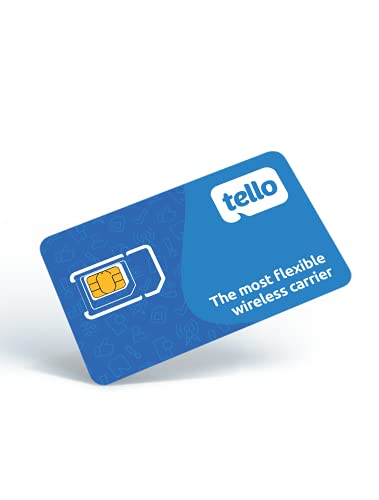
| Flexible & Affordable | SIM Card Format: 3-in-1 universal (nano, micro, standard) | Network Coverage: Nation-wide 4G LTE/5G | Contract Terms: No contract, no extra fees | VIEW LATEST PRICE | Read Our Analysis |
| SpeedTalk Mobile $5 Preloaded SIM Card for Kids Smartwatch |
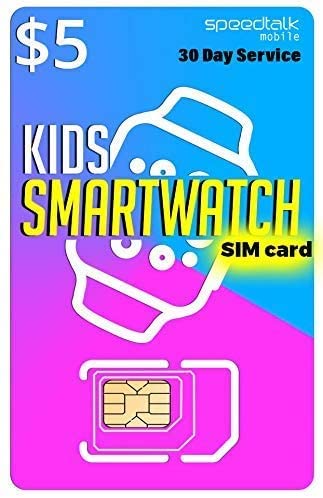
| Kids’ Smartwatch Specialist | SIM Card Format: 3-in-1 (standard, micro, nano) | Network Coverage: United States; 2G, 3G, 4G, 5G LTE | Contract Terms: No contract | VIEW LATEST PRICE | Read Our Analysis |
| Mint Mobile 5GB 5G Phone Plan (3-Month) |

| Premium 5G Option | SIM Card Format: 3-in-1 (standard, micro, nano) | Network Coverage: Nation’s largest 5G network (4G LTE capable) | Contract Terms: 3-month intro plan; then full-price options | VIEW LATEST PRICE | Read Our Analysis |
| SpeedTalk Mobile Prepaid SIM Card GPS Tracking |

| Multi-Device Tracker | SIM Card Format: 3-in-1 pre-cut (standard, micro, nano) | Network Coverage: United States, Canada, Mexico; international roaming in 200+ countries | Contract Terms: No contracts; cancel anytime | VIEW LATEST PRICE | Read Our Analysis |
| SpeedTalk Mobile $30 SIM Card GPS Tracking Device |
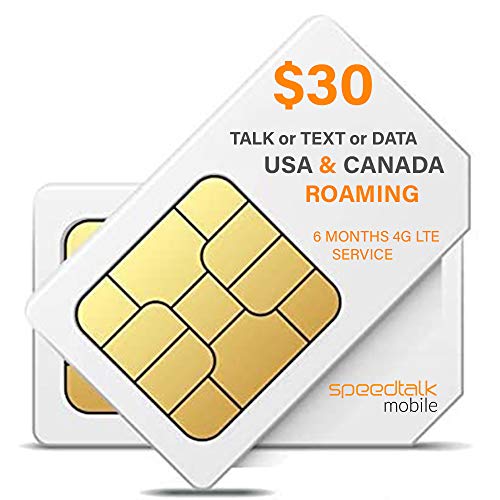
| Extended Coverage Plan | SIM Card Format: 3-in-1 pre-cut (standard, micro, nano) | Network Coverage: United States, Canada, Mexico; international roaming in 200+ countries | Contract Terms: No contracts; cancel anytime | VIEW LATEST PRICE | Read Our Analysis |
More Details on Our Top Picks
Tello Mobile US Prepaid SIM Card 4G LTE/5G
Tello Mobile’s prepaid SIM card stands out for parents who want straightforward control over their kids’ phone plans without long-term contracts or surprise charges. You’ll receive a 3-in-1 universal SIM that fits any phone, or you can purchase a Tello device. First, verify your phone’s compatibility on the Tello website. Next, activate your SIM on their site and select a plan ranging from $5 to $25 monthly. All plans include international calls to 60+ countries and free hotspot access. Before activation, check the coverage map to confirm 4G LTE/5G service in your area. Follow the included leaflet instructions to complete setup. No hidden fees or contracts apply.
- SIM Card Format:3-in-1 universal (nano, micro, standard)
- Network Coverage:Nation-wide 4G LTE/5G
- Contract Terms:No contract, no extra fees
- Activation Process:Activate on Tello website; requires plan selection
- Phone Number Inclusion:Not specified
- Customer Support:Tello Mobile customer service
- Additional Feature:Customizable plans $5-$25/month
- Additional Feature:International calls 60+ countries
- Additional Feature:Free hotspot all plans
SpeedTalk Mobile $5 Preloaded SIM Card for Kids Smartwatch
Looking for a dedicated SIM card that’ll work with your child’s GPS smartwatch without the hassle of contracts or credit checks? SpeedTalk Mobile’s $5 preloaded kit offers 50 minutes, 100 texts, and 100MB data monthly. The 3-in-1 SIM fits standard, micro, and nano devices. Activation takes three steps with valid credit card only—no fees, no contract required. You’ll select a USA number by ZIP code or accept auto-assignment, then port an existing number if preferred. Service covers 2G through 5G LTE networks nationwide. The mobile app manages your account, and live support operates seven days weekly via toll-free number.
- SIM Card Format:3-in-1 (standard, micro, nano)
- Network Coverage:United States; 2G, 3G, 4G, 5G LTE
- Contract Terms:No contract
- Activation Process:3-step easy activation; valid credit card required
- Phone Number Inclusion:USA number included; ZIP-based or auto-assigned
- Customer Support:7 days/week LIVE support via toll-free number
- Additional Feature:30-day preloaded service plan
- Additional Feature:Flexible usage (minutes/text/data)
- Additional Feature:Mobile app account management
Mint Mobile 5GB 5G Phone Plan (3-Month)
If you’re tired of overspending on wireless bills, Mint Mobile’s 5GB 5G plan offers an affordable entry point at $15 per month for the first three months. You’ll pay $45 upfront for the three-month term. The plan includes unlimited talk and text, plus free mobile hotspot and Wi-Fi calling. To activate, you can use the Mint Mobile website or app with your own unlocked device. You’ll receive a 3-in-1 SIM card that works on standard, micro, or nano formats. After the introductory period, standard pricing applies. Check Mint Mobile’s website to verify 5G coverage and device compatibility in your area before purchasing.
- SIM Card Format:3-in-1 (standard, micro, nano)
- Network Coverage:Nation’s largest 5G network (4G LTE capable)
- Contract Terms:3-month intro plan; then full-price options
- Activation Process:Activation on Mint Mobile website or app
- Phone Number Inclusion:Not specified
- Customer Support:Mint Mobile website support
- Additional Feature:Unlimited talk and text
- Additional Feature:Free international Mexico/Canada calls
- Additional Feature:Free mobile hotspot included
SpeedTalk Mobile Prepaid SIM Card GPS Tracking
SpeedTalk Mobile’s prepaid SIM card works best for parents who need flexible, affordable connectivity across multiple devices—whether you’re tracking a child’s smartwatch, monitoring a pet, or securing a vehicle. You get 250 units monthly, usable as calls, texts, or data in any combination. Domestic rates run 2 cents per minute, text, or MB. International roaming costs 20 cents per minute and 4 cents per MB with an add-on. The SIM arrives pre-cut in three sizes: Standard, Micro, and Nano. Activation requires a valid credit card with no fees, contracts, or credit checks. You’ll choose or receive a USA phone number and manage everything through their mobile app or desktop. U.S.-based servers protect your data, and support’s available seven days weekly.
- SIM Card Format:3-in-1 pre-cut (standard, micro, nano)
- Network Coverage:United States, Canada, Mexico; international roaming in 200+ countries
- Contract Terms:No contracts; cancel anytime
- Activation Process:Mobile app (iOS, Android) or desktop activation; valid credit card required
- Phone Number Inclusion:USA phone number included; ZIP-based or auto-assigned; port-in option
- Customer Support:7 days/week LIVE support via toll-free number
- Additional Feature:250 flexible usage units
- Additional Feature:International roaming 200+ countries
- Additional Feature:Low rates 2 cents/unit
SpeedTalk Mobile $30 SIM Card GPS Tracking Device
Do you need a flexible plan that works across multiple devices without long-term contracts? SpeedTalk Mobile offers a six-month subscription with 125 minutes, 250 texts, or 125 MB data monthly—you choose how to split them. The pre-cut SIM fits standard, micro, and nano sizes for trackers, smartwatches, tablets, and GPS devices. Activation requires a valid credit card and a U.S. phone number, which you select by ZIP code or accept auto-assignment. You can port an existing number or get a new one. Management happens through the mobile app or desktop portal. Live customer support operates seven days weekly via toll-free number. Coverage spans over 200 countries, and U.S.-based servers protect your data.
- SIM Card Format:3-in-1 pre-cut (standard, micro, nano)
- Network Coverage:United States, Canada, Mexico; international roaming in 200+ countries
- Contract Terms:No contracts; cancel anytime
- Activation Process:Mobile app (iOS, Android) or desktop activation; valid credit card required
- Phone Number Inclusion:USA phone number included; ZIP-based or auto-assigned; port-in option
- Customer Support:7 days/week LIVE support via toll-free number
- Additional Feature:6-month subscription service plan
- Additional Feature:Multi-country coverage 200+ countries
- Additional Feature:Port-in existing number option
Factors to Consider When Choosing a Sim Card for Kids
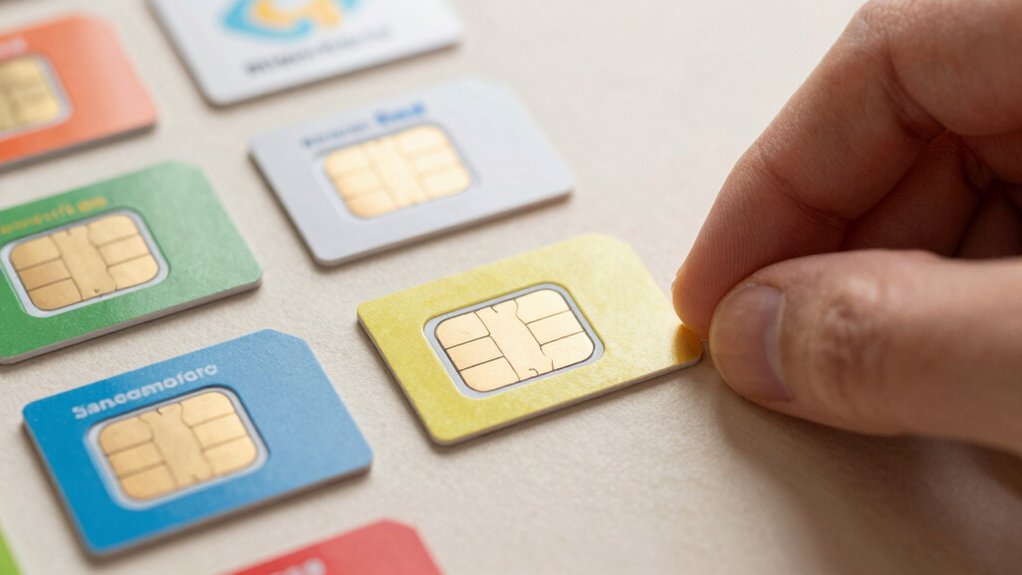
You’ll need to evaluate five key factors when selecting a SIM card for your child: age-appropriate data limits that prevent overuse, network coverage reliability in your area, parental control features that let you monitor activity, device compatibility to ensure the SIM works with your child’s phone, and plan flexibility with pricing that fits your budget. Start by checking what data limits each provider offers—some cap usage at 2GB monthly while others allow unlimited—then verify their network coverage using their online maps for your home and school locations. Finally, compare the parental controls each company provides, confirm the SIM fits your device type, and review whether you can adjust plans without penalties if your child’s needs change.
Age-Appropriate Data Limits
How much data does your child actually need each month? Start by assessing their primary activities. For younger children who mainly browse and message, choose a plan with 100–250 MB monthly data. This keeps overage costs minimal while discouraging excessive screen time.
For older kids using educational apps and video calls, select 1–5 GB monthly plans instead. This range supports their increased needs without encouraging unlimited consumption.
Next, prioritize parental controls that set data caps and send alerts when your child approaches their limit. These tools help you manage usage in real time.
Finally, avoid unlimited data plans for young children. They remove natural boundaries and increase the risk of unintended charges. Select plans with flexible, short-term renewals so you can adjust limits as your child’s needs change.
Network Coverage Reliability
What’s the point of choosing a SIM card if your child can’t actually stay connected where it matters most? Start by checking your carrier’s nationwide 4G LTE and 5G coverage maps for the areas your child frequents—school, home, and regular activities. Next, verify real-world data speeds during peak hours to confirm consistent connectivity, not just theoretical coverage. Confirm the SIM supports required GSM bands for your child’s device across 2G, 3G, 4G, and 5G networks. If your child travels outside your region, review roaming options and international coverage policies. Finally, assess coverage reliability during adverse conditions like indoor use and rural areas. Contact customer support to gauge their responsiveness before committing to a plan.
Parental Control Features
Once you’ve confirmed network reliability, parental control features become the next critical factor in selecting a SIM card for your child. Look for plans that offer content filters to block inappropriate websites and call monitoring to track communications. Verify that the service includes geofencing alerts, which notify you when your child enters or leaves designated areas. Check whether the plan provides time-based controls that limit usage during school hours or bedtime. Review the app-based dashboard to ensure you can manage contacts, approve numbers before your child receives calls, and view activity reports. Confirm that security features like PIN protection, remote device lock, and data encryption safeguard your child’s account and location information. Additionally, verify milestone restrictions that prevent unauthorized international calls or premium-rate charges.
Device Compatibility Options
Which device you’re buying the SIM card for should determine your first compatibility check. Identify whether you need a card for a kids’ smartwatch, GPS tracker, or wearable device, then verify that your chosen SIM supports that specific type. Check if the device requires M2M, NB-IoT, or CAT-M technology, as these enable reliable tracking and communication on specialized networks. Next, confirm your SIM is 3-in-1 format (standard, micro, nano) so you can reuse it across multiple devices if needed. Verify the carrier supports 4G LTE or 5G GSM networks in your area for consistent data, voice, and GPS services. Finally, ensure the SIM can activate on your carrier’s BYOP program and that the activation process matches your device’s SIM slot requirements.
Plan Flexibility And Pricing
After you’ve confirmed device compatibility, your next focus should be the actual plan structure itself—because even the best SIM card won’t serve your child well if the pricing doesn’t fit your budget or usage patterns. Look for providers offering no long-term contracts, allowing you to cancel anytime as your child’s needs change. Choose plans with predictable monthly allotments for minutes, texts, and data, with clear rollover or expiration rules so you understand what carries forward. Prioritize affordable base prices with transparent add-on costs for extras like international texting or data top-ups. Select a fixed monthly data limit matching your child’s actual usage, plus hotspot allowance if needed. Compare total monthly costs across providers to find genuine affordability, not just low advertised rates.
International Roaming Capabilities
Does your family travel abroad, or might your child need phone service outside your home country? International roaming capabilities determine whether your child’s SIM maintains service across borders. First, check which countries your carrier covers and what networks operate there. Second, verify the rates for calls, texts, and data in those destinations—costs can be significantly higher abroad. Third, confirm whether your plan includes roaming or requires an add-on package; some carriers charge extra fees or impose minimums. Fourth, ensure your child’s device supports the bands and network types available in your destination countries, such as 4G or 5G. Fifth, compare multi-country coverage options, which reduce the need for local SIM swaps and provide continuous service. Review these details before traveling to avoid unexpected charges and service gaps.
Account Management Tools
How effectively you can monitor and control your child’s phone usage depends largely on the account management tools the carrier provides. Look for a web portal or app that lets you track real-time activity, set spending caps, and receive instant alerts. The best systems include geo-alarms that notify you when your child leaves designated areas, plus time-based restrictions that limit calling and data access during specific hours. Check if the carrier offers a family dashboard that consolidates multiple lines under one account, giving you centralized control. Verify you can pause service immediately, view detailed billing, and export usage reports. Confirm the platform supports easy SIM swaps and device changes. A user-friendly interface matters notably—you’ll need to adjust settings quickly and understand your child’s activity patterns at a glance.
Service Support Availability
When you’re managing a child’s phone plan, you’ll want a carrier that responds quickly when problems arise. Check whether your provider offers seven-day-a-week live support through a toll-free number for activation, setup, and troubleshooting. Verify that support exists across multiple channels—phone, app chat, and web portal—so you can reach help however works best for you. Confirm the hours of operation and time zones covered, especially if you need evening or weekend assistance. Look for dedicated activation support with clear guidance for SIM activation and plan changes. Additionally, ensure the provider maintains accessible online resources including FAQs, manuals, and coverage maps. These self-help tools let you resolve issues independently when human support isn’t available, saving you time and frustration.
Final Thoughts
You’ll want to evaluate each SIM card option by comparing coverage in your area, pricing structure, and available parental controls. Check whether you need GPS tracking, international calling, or hotspot features. Verify device compatibility before purchasing. Compare activation requirements—some offer DIY setup while others need assistance. Review management app functionality for monitoring usage and location. Select the plan that matches your child’s needs and your budget constraints.

Meet Ry, “TechGuru,” a 36-year-old technology enthusiast with a deep passion for tech innovations. With extensive experience, he specializes in gaming hardware and software, and has expertise in gadgets, custom PCs, and audio.
Besides writing about tech and reviewing new products, he enjoys traveling, hiking, and photography. Committed to keeping up with the latest industry trends, he aims to guide readers in making informed tech decisions.