
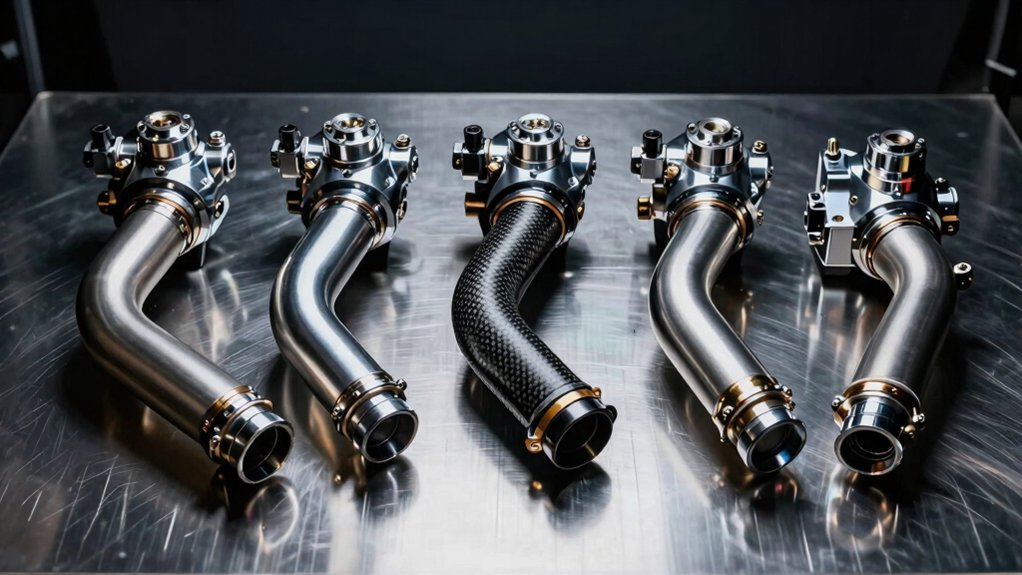

When you’re ready to upgrade your vehicle’s oxygen sensor system, you’ll find several proven options that deliver measurable results. You can choose clamp-on adapters for quick installation, sensor sets engineered for specific vehicles like Corollas and F-150s, or thorough kits designed for trucks like the Silverado. Each option targets different performance goals and installation complexity. Understanding what separates these systems—and which suits your vehicle—requires examining their specific features.
| Car Oxygen Sensor Adapter Clamp-On Kit |

| No-Weld Installation | Installation Type: No-weld clamp-on design | Material Composition: 304 stainless steel | Output Type: Electrical signal | VIEW LATEST PRICE | Read Our Analysis |
| 2PCS Oxygen O2 Sensor for Toyota Corolla 1.8L |
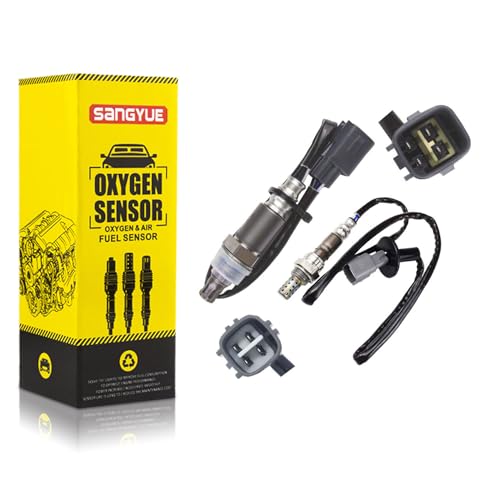
| Direct Replacement | Installation Type: Direct bolt-on replacement | Material Composition: Zirconia, platinum, stainless steel | Output Type: Electrical signal | VIEW LATEST PRICE | Read Our Analysis |
| O2 Oxygen Sensor Compatible with Ford F150 (Set of 4) |

| Maximum Vehicle Coverage | Installation Type: Direct bolt-on replacement | Material Composition: Ceramic, metal | Output Type: Push-Pull output | VIEW LATEST PRICE | Read Our Analysis |
| O2 Oxygen Sensor Replacement for Chevy/GMC (Set of 4) |
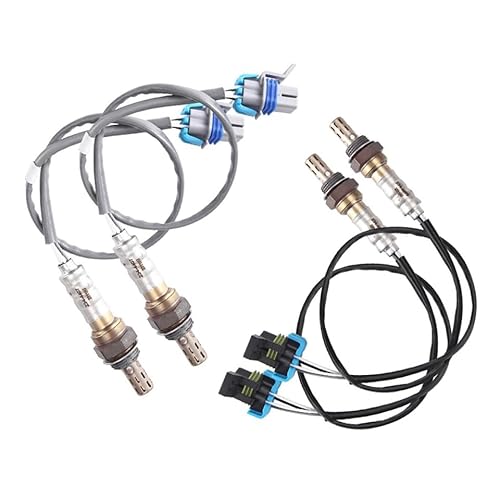
| High-Performance Upgrade | Installation Type: Direct bolt-on replacement | Material Composition: Selected materials with laser welding | Output Type: Push-Pull, flange mount | VIEW LATEST PRICE | Read Our Analysis |
| O2 Oxygen Sensor Plug M18 x 1.5 Universal Fit |

| Universal Sensor Plug | Installation Type: Threaded plug installation | Material Composition: Alloy steel with copper washer | Output Type: Standard threaded design | VIEW LATEST PRICE | Read Our Analysis |
More Details on Our Top Picks
Car Oxygen Sensor Adapter Clamp-On Kit
Looking for a wideband O2 sensor setup that doesn’t require welding? This clamp-on adapter kit works on 2-1/4″ to 2-1/2″ exhaust pipes. You’ll receive stainless steel brackets, bolts, nuts, crush washers, flanges, a gasket, and a removable spacer adapter. Installation starts by marking your location, drilling a 13/16″ hole, and clamping the adapter to your pipe. Thread your M-18 1.5 sensor into the port, then secure wiring with zip ties. The spacer adapter prevents exhaust leaks while ensuring stability. This universal design delivers zero leaks and eliminates the need for welding, making sensor installation straightforward and reliable.
- Installation Type:No-weld clamp-on design
- Material Composition:304 stainless steel
- Output Type:Electrical signal
- Corrosion Resistance:Rust and corrosion resistant
- Warranty Coverage:Not specified
- Quantity/Configuration:Single adapter kit with components
- Additional Feature:No welding required design
- Additional Feature:Zero exhaust leaks guaranteed
- Additional Feature:Universal M-18 1.5 thread
2PCS Oxygen O2 Sensor for Toyota Corolla 1.8L
Need a direct replacement O2 sensor that won’t compromise your engine’s performance? The Sangyue 2PCS Oxygen O2 Sensor kit fits 2014-2019 Toyota Corolla 1.8L models. You’ll receive one upstream and one downstream sensor designed for proper exhaust monitoring. Both sensors feature zirconia and platinum construction, handling temperatures up to 1472°F. Installation involves mounting each sensor to the flange connection points on your exhaust system. Before purchasing, verify compatibility by selecting your vehicle’s year, make, model, and engine size. The product carries a one-year unlimited mileage warranty and qualifies for a 30-day return window through Amazon’s standard policy.
- Installation Type:Direct bolt-on replacement
- Material Composition:Zirconia, platinum, stainless steel
- Output Type:Electrical signal
- Corrosion Resistance:High temperature resistant (1472°F)
- Warranty Coverage:One year unlimited mileage guarantee
- Quantity/Configuration:2-piece set (upstream and downstream)
- Additional Feature:1472°F upper temperature rating
- Additional Feature:Upstream and downstream included
- Additional Feature:Zirconia and platinum construction
O2 Oxygen Sensor Compatible with Ford F150 (Set of 4)
You’re upgrading your Ford F-150’s oxygen sensors with maximum vehicle coverage across the entire Ford, Lincoln, Mazda, and Mercury lineup. This RANSOTO set of four sensors replaces original part numbers 15717, 15716, 15718, and 15719, fitting both downstream and upstream positions. The flange-mount design with push-pull output ensures straightforward installation. Before purchasing, verify your vehicle’s model year in the product description to confirm compatibility. The ceramic and metal construction provides durability. You’ll receive a one-year warranty and a 30-day return guarantee, protecting your investment while improving engine performance and emissions monitoring.
- Installation Type:Direct bolt-on replacement
- Material Composition:Ceramic, metal
- Output Type:Push-Pull output
- Corrosion Resistance:Heat and corrosion resistant materials
- Warranty Coverage:One-year warranty with 100% satisfaction guarantee
- Quantity/Configuration:Set of 4 sensors
- Additional Feature:Replaces 7 part numbers
- Additional Feature:Compatible with 40+ vehicles
- Additional Feature:100% satisfaction guarantee included
O2 Oxygen Sensor Replacement for Chevy/GMC (Set of 4)
The ITOM O2 sensor set delivers this high-performance upgrade for owners of Chevy and GMC trucks needing faster engine response and improved fuel efficiency. This four-sensor package replaces upstream and downstream units across Silverado, Sierra, Suburban, and Yukon models from 2002–2007. The sensors use laser-welded construction for stronger sealing and quicker response times. Installation involves removing old sensors from exhaust manifold locations, then threading new units into place with a socket wrench. Compatible with V6 and V8 engines, these sensors monitor emissions accurately and optimize engine performance. The ITOM warranty covers satisfaction concerns through Amazon’s 30-day return policy.
- Installation Type:Direct bolt-on replacement
- Material Composition:Selected materials with laser welding
- Output Type:Push-Pull, flange mount
- Corrosion Resistance:Heat and corrosion resistant construction
- Warranty Coverage:ITOM warranty commitment
- Quantity/Configuration:Set of 4 sensors
- Additional Feature:Laser welding construction
- Additional Feature:Faster response time delivery
- Additional Feature:V8 and V6 compatible
O2 Oxygen Sensor Plug M18 x 1.5 Universal Fit
Sealing oxygen sensor ports across multiple vehicle types requires a universal sensor plug that fits standard M18 x 1.5 threaded ports. This alloy steel plug with copper washer prevents air and exhaust leaks that compromise engine performance. Install it by threading the plug directly into your oxygen sensor port—no special tools needed. The copper washer creates a tight seal, ensuring accurate sensor readings and optimal combustion efficiency. Use this plug for automotive, motorcycle, and marine applications wherever standard oxygen sensor ports exist. Its universal design accommodates various vehicles, making it essential for replacement and maintenance work. The durable construction withstands heat and corrosion, delivering long-lasting reliability in demanding engine environments.
- Installation Type:Threaded plug installation
- Material Composition:Alloy steel with copper washer
- Output Type:Standard threaded design
- Corrosion Resistance:Heat and corrosion resistant alloy
- Warranty Coverage:Amazon 30-day return guarantee
- Quantity/Configuration:Single plug with copper washer
- Additional Feature:Copper washer included
- Additional Feature:Motorcycle and marine compatible
- Additional Feature:Bulk inquiry available option
Factors to Consider When Choosing Aftermarket O2 Systems
When you’re selecting an aftermarket O2 system, you’ll need to verify vehicle compatibility and fitment first, then evaluate material quality and durability to ensure your investment lasts. Next, assess the installation method and complexity against your skill level, and confirm the temperature rating requirements match your engine’s operating conditions. Finally, compare sensor types and output signals to guarantee they’re compatible with your vehicle’s engine control unit and fuel management system.
Vehicle Compatibility and Fitment
How do you know if an aftermarket O2 system will actually fit your vehicle? Start by confirming compatibility with your vehicle’s make, model, year, and engine type. Next, check that upstream and downstream sensor configurations match your factory sensors or your intended upgrade, such as wideband versus narrowband. Verify the sensor port thread size and mounting style, like M18 x 1.5 or flange mount, to ensure proper fitment on your exhaust system. Measure your exhaust pipe diameter and available space to confirm clamp-on or gasketed sensors fit without welding. Finally, review vehicle-specific compatibility notes or fitment tables for your exact model range. This systematic approach prevents costly installation errors and mismatches.
Material Quality and Durability
Once you’ve confirmed your O2 system fits your vehicle, you’ll want to examine the materials used in the sensors and related components, as they directly affect how long your system lasts and how well it performs. Look for stainless steel construction, particularly 304 stainless, which resists corrosion in exhaust environments. Check that adapters use ceramic and stainless steel combinations for reliable thermal performance. Verify that plugs contain copper washers and alloy steel for heat and corrosion resistance. Inspect fittings for laser-welded components, which enhance sealing integrity under high temperatures. Confirm that universal-threaded ports like M18x1.5 feature compatible materials that withstand thermal cycling. These material choices determine whether your O2 system maintains proper function over time.
Installation Method and Complexity
Do you want to avoid welding altogether? Clamp-on O2 sensor adapters eliminate that need entirely. These adapters secure firmly onto 2-1/4″ to 2-1/2″ exhaust pipes without permanent modifications. Installation follows straightforward steps: mark your desired location, drill a 13/16″ hole, attach the clamp-on adapter, align the sensor port, thread in the sensor using the standard M-18 x 1.5 female thread, and secure wiring with zip ties. Spacer adapters prevent leaks and ensure proper alignment during this process. Many kits include gaskets, flanges, bolts, nuts, and washers for a complete, leak-free installation. This no-weld method takes minimal time and requires basic tools, making it accessible for most vehicle owners seeking performance upgrades without professional welding services.
Temperature Rating Requirements
Temperature rating indicates the maximum sustained temperature your O2 sensor and adapter components can withstand without degradation or failure, and you’ll need to match this rating to your vehicle’s exhaust system conditions. Upstream sensors near the combustion chamber experience higher temperatures than downstream sensors, sometimes exceeding 1000°C in short bursts and reaching 600–1200°C continuously. Check your manufacturer’s specifications for both continuous operating temperature and peak temperature tolerance. Select a sensor rated above your exhaust system’s expected temperatures to maintain accuracy and longevity. A mismatch causes inaccurate readings, slow response times, and premature failure. Verify the exact temperature range your vehicle produces, then choose a sensor with appropriate thermal ratings for reliable performance.
Sensor Type and Output Signal
Beyond ensuring your O2 sensor can handle your exhaust system’s temperature demands, you’ll need to verify that the sensor’s output signal matches your vehicle’s engine control unit or aftermarket gauge. Two main sensor types exist: narrowband and wideband. Narrowband sensors produce a simple voltage signal that switches between rich and lean conditions. Wideband sensors deliver a linear voltage output across a broader air/fuel ratio range, offering more precise data. Check your vehicle’s specifications to determine which type your system requires. Next, confirm the connector type and wiring compatibility. Verify the signal voltage range your monitoring device accepts. Mismatched sensor types or incompatible electrical interfaces will prevent proper signal interpretation and defeat performance gains.
Brand Reliability and Warranty
How can you identify an O2 system that’ll stand up to years of engine heat and exhaust exposure? Start by verifying the warranty period—look for manufacturers offering at least one year with unlimited mileage coverage. Next, check material specifications; reputable brands explicitly state they use 304 stainless steel or similar corrosion-resistant materials. Review the manufacturer’s contact information and warranty assistance options to confirm accessible post-purchase support. Examine compatibility documentation to see if the brand lists verified fitment across multiple vehicle models, indicating confidence in reliability. Finally, confirm return policies; documented windows like 30-day returns signal the company stands behind its products. These verifiable factors directly reflect whether an O2 system’ll perform dependably long-term.
Cost Versus Performance Value
Once you’ve confirmed a manufacturer backs its products with solid warranties and accessible support, you’ll need to evaluate whether the system’s price aligns with the performance gains you’re seeking. Higher-cost systems typically deliver faster response times and greater accuracy, improving fuel economy and engine tuning results. Budget options prioritize basic compatibility over advanced features, offering minimal performance gains despite matching sensor dimensions. Compare installation costs across models—clamp-on or universal bung adapters reduce labor and welding expenses significantly. Factor in included hardware like gaskets and spacers, which minimize additional accessory purchases. Calculate total ownership value by weighing upfront price against long-term savings from improved emissions control and reduced installation complexity. This calculation determines whether premium pricing justifies your investment.
Environmental and Emission Standards
Why should you care about emission standards when selecting an aftermarket O2 system? Because your vehicle must meet regulatory limits on NOx, CO, and hydrocarbons to pass inspections and operate legally.
Choose a wideband O2 sensor system that maintains precise air/fuel ratio measurements within tight tolerances. This accuracy supports catalytic converter efficiency and ensures your engine meets emissions legislation. Verify the sensor withstands high exhaust temperatures up to 1472°F, preserving performance under real-world conditions.
Check compatibility with your vehicle’s onboard diagnostics (OBD) system to avoid triggering diagnostic trouble codes that compromise compliance status. Install spacer adapters and gaskets properly to prevent exhaust leaks, which cause erroneous readings and increase emissions. These steps protect both regulatory compliance and inspection outcomes.
Final Thoughts
You’ve reviewed five O2 system options: clamp-on adapters for quick installs, Toyota Corolla sensor sets, Ford F-Series kits, Chevy/GMC four-sensor packages, and universal M18 x 1.5 plugs. Select based on your vehicle type and installation capability. Prioritize 304 stainless construction, warranty coverage, and compatibility with your exhaust diameter. Install following manufacturer instructions to maximize sensor accuracy and engine performance gains immediately.

Meet Ry, “TechGuru,” a 36-year-old technology enthusiast with a deep passion for tech innovations. With extensive experience, he specializes in gaming hardware and software, and has expertise in gadgets, custom PCs, and audio.
Besides writing about tech and reviewing new products, he enjoys traveling, hiking, and photography. Committed to keeping up with the latest industry trends, he aims to guide readers in making informed tech decisions.