
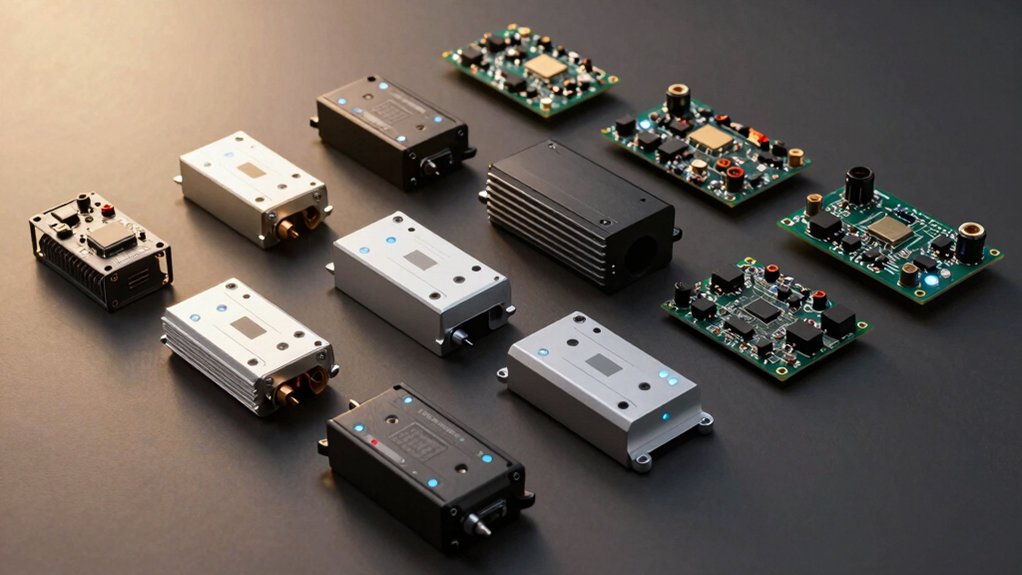

You’re selecting a brushless motor controller for your project, and the choice matters. You’ll need to match voltage ranges, power ratings, and control types to your specific application—whether that’s an e-bike, scooter, or industrial drive. The right controller delivers reliable performance and protection features you can depend on. Here’s what you should know to make the best decision.
| DC 6-60V 400W BLDC Motor Controller Board |
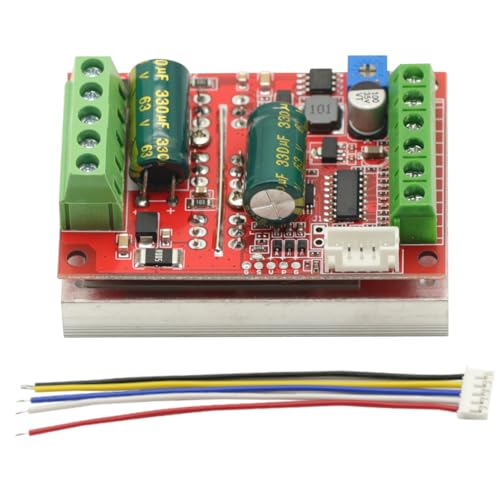
| Best For Beginners | Voltage Range: DC 6-60V | Power Rating: 400W | Motor Compatibility: 3-Phase Hall BLDC | VIEW LATEST PRICE | Read Our Analysis |
| 36-48V 350W Brushless DC Motor Speed Controller |

| Best Value | Voltage Range: 36-48V | Power Rating: 350W | Motor Compatibility: Brushless DC (single/dual mode with Hall) | VIEW LATEST PRICE | Read Our Analysis |
| RioRand 300W PWM Brushless Motor Speed Controller |
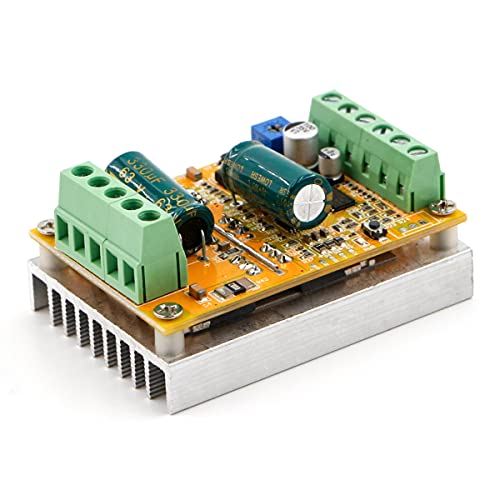
| Most Versatile | Voltage Range: 5-50V | Power Rating: 300W (200W-250W rated) | Motor Compatibility: 3-Phase BLDC sensorless | VIEW LATEST PRICE | Read Our Analysis |
| DC 7-24V 200W Brushless Motor Controller Module |

| Budget-Friendly Pick | Voltage Range: DC 7-24V | Power Rating: 200W | Motor Compatibility: 3-Phase Hallless BLDC | VIEW LATEST PRICE | Read Our Analysis |
| BLDC Motor 15A Sensorless Brushless Speed Controller (5-36V) |

| Best Compact | Voltage Range: DC 5-36V | Power Rating: 15A (sensorless) | Motor Compatibility: Sensorless BLDC | VIEW LATEST PRICE | Read Our Analysis |
| Intelligent Brushless Motor Controller 36V-84V 2000W E-Bike |

| Professional Grade | Voltage Range: 36V-84V | Power Rating: 1000W-2000W | Motor Compatibility: Brushless motors (36V-84V range) | VIEW LATEST PRICE | Read Our Analysis |
| Brushless Motor Controller 36V/48V 350W Electric Scooter |

| Best Overall | Voltage Range: 36V/48V | Power Rating: 350W | Motor Compatibility: Sinusoidal, square wave, hallless | VIEW LATEST PRICE | Read Our Analysis |
| HiLetgo PWM DC Brushless Motor Speed Controller |
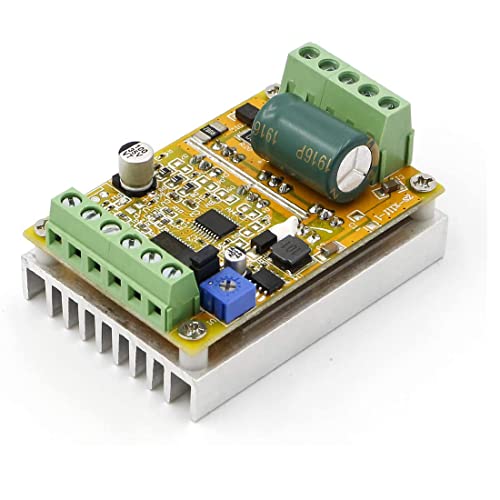
| Most Powerful | Voltage Range: 6.5-50V | Power Rating: 380W | Motor Compatibility: 3-Phase brushless sensorless | VIEW LATEST PRICE | Read Our Analysis |
| Brushless Motor Controller FOC Driver Board Module |

| Best For Hobbyists | Voltage Range: 8-30V | Power Rating: 2.5A per channel | Motor Compatibility: DC brushless with FOC control | VIEW LATEST PRICE | Read Our Analysis |
| DC 12V 30A Brushless Motor Speed Controller (2-Pack) |
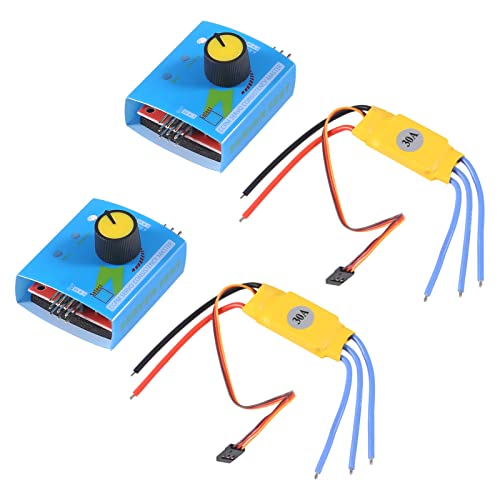
| Best Heavy-Duty | Voltage Range: DC 6-12.8V | Power Rating: 360W nominal | Motor Compatibility: 3-Phase brushless (2-18 pole) | VIEW LATEST PRICE | Read Our Analysis |
| Ebike Controller JN Sine Wave Brushless Motor 48V 1000W |

| Best For E-Bikes | Voltage Range: 24V, 36V, 48V | Power Rating: 750W/1000W | Motor Compatibility: Brushless with/without Hall sensors | VIEW LATEST PRICE | Read Our Analysis |
| Labwork 48V Brushless Motor Speed Controller for E-Bike |

| Best Durability | Voltage Range: 48V | Power Rating: 800W | Motor Compatibility: Brushless DC | VIEW LATEST PRICE | Read Our Analysis |
| 3-Phase Brushless BLDC Motor ESC Speed Controller |

| Most Reliable | Voltage Range: DC 7-24V | Power Rating: Not specified | Motor Compatibility: 3-Phase DC brushless Hallless | VIEW LATEST PRICE | Read Our Analysis |
| Dual Mode Brushless Motor Speed Controller for E-Bike |

| Premium Pick | Voltage Range: 48V, 60V, 64V, 72V | Power Rating: 1000W-1500W | Motor Compatibility: Brushless with/without Hall sensors | VIEW LATEST PRICE | Read Our Analysis |
| DC 5V-36V 15A Brushless Motor Controller Board |

| Editor’s Choice | Voltage Range: DC 5-36V | Power Rating: 15A (3-phase) | Motor Compatibility: 3-Phase brushless | VIEW LATEST PRICE | Read Our Analysis |
More Details on Our Top Picks
DC 6-60V 400W BLDC Motor Controller Board
Why does this controller work well for those just starting with brushless motors? You get straightforward operation without unnecessary complexity. You’ll connect your external DC power supply to the main terminals, then attach your three-phase motor wires to outputs Ha, Hb, and Hc. The onboard 5V supply powers your Hall sensors directly. For speed control, you’ve got options: use the built-in potentiometer, connect a 0-5V analog signal, or input a PWM signal. Forward and reverse functions come standard through external switches. The speed pulse output lets you monitor motor performance. This board handles everything from 6 to 60 volts at 400 watts, giving you reliable motor commutation without complex programming.
- Voltage Range:DC 6-60V
- Power Rating:400W
- Motor Compatibility:3-Phase Hall BLDC
- Speed Control Method:Potentiometer/0-5V analog/PWM
- Protection Features:Forward/reverse/brake function
- Housing/Construction Material:PCB board (unspecified housing)
- Additional Feature:Forward/reverse/brake function
- Additional Feature:Onboard 5V power supply
- Additional Feature:Hall sensor compatibility
36-48V 350W Brushless DC Motor Speed Controller
Looking for exceptional value in e-bike and scooter performance? This 36-48V controller delivers reliable speed management for your brushless motor system. The premium aluminum alloy housing withstands regular use without performance degradation. You’ll benefit from a sturdy, serviceable design that minimizes malfunction risk over extended periods. Before purchasing, confirm whether you need single mode or dual mode with hall line compatibility—selecting the wrong configuration creates installation problems. The included wires and interfaces connect directly to your motor and power system, optimizing your ride’s acceleration and efficiency. This replacement controller suits bicycles, e-bikes, and scooters requiring dependable voltage regulation between 36-48 volts at 350 watts maximum output.
- Voltage Range:36-48V
- Power Rating:350W
- Motor Compatibility:Brushless DC (single/dual mode with Hall)
- Speed Control Method:Not specified
- Protection Features:Durable design, low failure risk
- Housing/Construction Material:Premium aluminum alloy
- Additional Feature:Premium aluminum alloy housing
- Additional Feature:Single/dual mode options
- Additional Feature:Bicycle e-bike scooter compatible
RioRand 300W PWM Brushless Motor Speed Controller
The RioRand 300W PWM controller handles sensorless 3-phase brushless motors across multiple control modes, making it the most versatile choice for engineers who need flexibility without Hall sensors. You’ll operate it at 5–50V with rated current of 16A, or 25A with forced cooling. Select your control method: PWM signal (1kHz–10kHz), 0–5V analog input, or Hall throttle input. Switch modes using the onboard button. Before full-power testing, run initial checks at low voltage and current. Protect your setup by reducing throttle to 50% before braking or reversing direction. The compact 63×45×31mm design fits tight installation spaces efficiently.
- Voltage Range:5-50V
- Power Rating:300W (200W-250W rated)
- Motor Compatibility:3-Phase BLDC sensorless
- Speed Control Method:PWM/0-5V analog/Hall throttle
- Protection Features:Overcurrent, locked-rotor, over-temperature
- Housing/Construction Material:Compact plastic module (63×45×31mm)
- Additional Feature:Three-signal speed control modes
- Additional Feature:Locked-rotor protection mechanism
- Additional Feature:Compact 63×45×31mm size
DC 7-24V 200W Brushless Motor Controller Module
For engineers and hobbyists working within tight budget constraints, GODIYMODULES offers this budget-friendly pick that handles brushless motor control across a practical voltage range. This 200W hallless driver supports DC 7-24V input and delivers speed control via its potentiometer knob. The module accommodates various motor pole configurations: 2-pole motors reach 224,000 RPM, while 6-pole, 12-pole, and 14-pole motors max out at 74,000, 40,000, and 35,000 RPM respectively. Operating safely up to 60°C, it measures 1.77 by 1.02 inches. Users should note the 24V voltage ceiling and avoid direct 24V battery connections. The compact design fits confined spaces where motor control integration matters.
- Voltage Range:DC 7-24V
- Power Rating:200W
- Motor Compatibility:3-Phase Hallless BLDC
- Speed Control Method:Potentiometer
- Protection Features:Temperature protection up to 60°C
- Housing/Construction Material:Plastic
- Additional Feature:Hallless 3-phase brushless design
- Additional Feature:Integrated potentiometer knob control
- Additional Feature:Up to 224000 RPM capable
BLDC Motor 15A Sensorless Brushless Speed Controller (5-36V)
When you’re working with compact brushless DC motor setups, this 15A sensorless controller handles three-phase motors across a 5–36V range without requiring position sensors. The unit supports bidirectional operation, so you can run your motor forward or in reverse depending on your application needs. Speed adjustment happens through a 270-degree linear potentiometer with an integrated switch, giving you proportional control over motor velocity. Connect your brushless motor directly to the three-phase output terminals, then adjust the potentiometer dial to reach your desired speed. This straightforward design eliminates complexity while delivering reliable performance for explosive fan drives and similar applications requiring responsive speed management.
- Voltage Range:DC 5-36V
- Power Rating:15A (sensorless)
- Motor Compatibility:Sensorless BLDC
- Speed Control Method:270-degree linear potentiometer
- Protection Features:Not specified
- Housing/Construction Material:Compact module (unspecified)
- Additional Feature:270-degree linear potentiometer
- Additional Feature:Bidirectional forward/reverse rotation
- Additional Feature:Sensorless brushless operation
Intelligent Brushless Motor Controller 36V-84V 2000W E-Bike
Intelligent sine-wave controllers deliver professional-grade performance across your e-bike’s entire voltage range. This 36V–84V universal controller handles 1000W–2000W power systems with a rated 40A current and 50A maximum capacity. Connect the learning line to identify your battery’s voltage automatically, ensuring proper operation across compatible systems. The aluminum die-cast housing withstands regular use while maintaining reliability. You’ll encounter minor cosmetic imperfections from manufacturing, but these don’t affect functionality. This controller works with various e-bike and scooter applications requiring consistent power delivery and voltage adaptation.
- Voltage Range:36V-84V
- Power Rating:1000W-2000W
- Motor Compatibility:Brushless motors (36V-84V range)
- Speed Control Method:Learning line voltage detection
- Protection Features:Learning line for voltage identification
- Housing/Construction Material:Aluminum alloy die-casting
- Additional Feature:Universal 36V-84V voltage range
- Additional Feature:Automatic learning line identification
- Additional Feature:Die-cast aluminum alloy housing
Brushless Motor Controller 36V/48V 350W Electric Scooter
This controller tops the lineup for riders who demand reliable, efficient motor management across multiple scooter types. You’ll appreciate the dual-mode control design that enables stable starting and comfortable driving performance. The waterproof construction handles moisture exposure without degradation. Installation requires connecting only the wires you need—discard extras without compromising functionality. This 350W controller supports sinusoidal, square wave, and hallless motors seamlessly. You get sensitive braking and direction control, plus powerful climbing ability with low operating noise. The intelligent self-learning system optimizes performance automatically. Premium materials assure durability for long-term use with minimal maintenance demands.
- Voltage Range:36V/48V
- Power Rating:350W
- Motor Compatibility:Sinusoidal, square wave, hallless
- Speed Control Method:Multiple wires/intelligent identification
- Protection Features:Dual-mode, intelligent identification
- Housing/Construction Material:Premium materials (unspecified)
- Additional Feature:Sinusoidal/square wave compatible
- Additional Feature:Intelligent self-learning capability
- Additional Feature:Multiple color-coded wires
HiLetgo PWM DC Brushless Motor Speed Controller
For engineers building high-power applications, how do you select a controller that delivers reliable performance across demanding voltage ranges? The HiLetgo PWM DC Brushless Motor Speed Controller handles 6.5–50V input with a rated 16A capacity, expandable to 30A with proper cooling. You’ll appreciate its sensorless design, eliminating Hall sensor requirements and reducing wiring complexity. The full SMD construction ensures stable performance in three-phase brushless motor applications up to 380W. Terminal block interfaces simplify connection procedures. Deploy this controller when you need straightforward speed regulation without sensor feedback systems.
- Voltage Range:6.5-50V
- Power Rating:380W
- Motor Compatibility:3-Phase brushless sensorless
- Speed Control Method:PWM control
- Protection Features:Stable SMD process
- Housing/Construction Material:Full SMD process board
- Additional Feature:Full SMD process construction
- Additional Feature:Up to 30A with cooling
- Additional Feature:Terminal block connections
Brushless Motor Controller FOC Driver Board Module
The SimpleFOC Mini controller delivers three independent half-H-bridge drivers that hobbyists and beginners rely on for straightforward brushless motor projects. This DRV8313-based board accepts input voltages from 8–30V and outputs up to 2.5A per channel. You’ll connect your motor’s UVW three-phase lines directly to the driver outputs. The board supports SPWM and SVPWM control algorithms through an open-source library, enabling quick setup without traditional 6-step commutation programming. An onboard 3.3V LDO regulator supplies 10mA maximum for control circuits. Control signals work with both 3.3V and 5V logic levels, making integration straightforward for microcontroller projects.
- Voltage Range:8-30V
- Power Rating:2.5A per channel
- Motor Compatibility:DC brushless with FOC control
- Speed Control Method:SPWM/SVPWM control
- Protection Features:3.3V LDO output protection
- Housing/Construction Material:DRV8313-based board module
- Additional Feature:SPWM/SPVMW control algorithms
- Additional Feature:DRV8313 half-H-bridge drivers
- Additional Feature:SimpleFOC open source library
DC 12V 30A Brushless Motor Speed Controller (2-Pack)
Want reliable speed control for demanding drone, RC vehicle, or industrial applications? This 2-pack controller handles DC 12V systems with nominal 32A current and continuous 30A performance. You’ll get PWM frequency options at 8KHz or 16KHz with speed ranges from 8% to 98%, supporting motors with 2–18 poles. The compact 45mm design includes a heat sink for thermal management and auto shut-down if PWM signals drop. Temperature protection activates at 110°C, reducing power to 60% during overheating. Before startup, position your potentiometer at lowest gear. The linear BEC regulator provides 2A output, making this controller suitable for lithium or NiMH battery packs. Its flexible start options and protection features prevent accidental damage.
- Voltage Range:DC 6-12.8V
- Power Rating:360W nominal
- Motor Compatibility:3-Phase brushless (2-18 pole)
- Speed Control Method:PWM at 8KHz/16KHz
- Protection Features:Temperature protection at 110°C, auto shutdown
- Housing/Construction Material:Compact PCB (45×24×11mm)
- Additional Feature:Flexible start/immediate start options
- Additional Feature:8KHz/16KHz fixed frequency PWM
- Additional Feature:Auto shutdown signal detection
Ebike Controller JN Sine Wave Brushless Motor 48V 1000W
Smooth sine wave control makes this controller ideal for e-bike riders who want quieter, more efficient motor performance. You’ll get maximum current handling at 30±1A with rated operation at 15A, supporting 48V systems and both 750W and 1000W brushless motors. The controller works with or without Hall sensors, giving you installation flexibility. Set your speed using the 1.1–4.2V input range, and rely on low voltage protection at DC 30/40±0.5V to prevent battery over-discharge. Its compact aluminum construction measures 145 × 60 × 36 mm, weighing 390g, so you’ll mount it easily on your e-bike frame for commuting or off-road use.
- Voltage Range:24V, 36V, 48V
- Power Rating:750W/1000W
- Motor Compatibility:Brushless with/without Hall sensors
- Speed Control Method:1.1-4.2V speed setting
- Protection Features:Low voltage protection at 30/40V DC
- Housing/Construction Material:Aluminum and plastic
- Additional Feature:Smooth sine wave control
- Additional Feature:Low voltage protection built-in
- Additional Feature:Works with/without Hall sensors
Labwork 48V Brushless Motor Speed Controller for E-Bike
Looking for a controller that’ll handle daily e-bike use without frequent replacements? The Labwork 48V brushless motor speed controller delivers 800W of reliable power with an aluminum alloy construction built for durability. You’ll get steady speed control with sensitive braking and direction changes when you need them. The controller’s heat dissipation system prevents internal circuit overload during extended rides. Its wires and interfaces are engineered for longevity, reducing failure rates significantly. You can install this controller on electric bicycles, scooters, and similar vehicles. The brushless design ensures continuous operation without constant maintenance, making it a practical choice for riders who demand dependable performance over time.
- Voltage Range:48V
- Power Rating:800W
- Motor Compatibility:Brushless DC
- Speed Control Method:Sensitive braking/direction control
- Protection Features:Heat dissipation, thermal overload prevention
- Housing/Construction Material:Aluminum alloy
- Additional Feature:Steady speed regulation capability
- Additional Feature:Excellent heat dissipation design
- Additional Feature:Extended wiring durability
3-Phase Brushless BLDC Motor ESC Speed Controller
This three-phase brushless motor controller handles industrial applications where you need most reliable speed control in demanding conditions. You’ll control speed using the onboard potentiometer by turning it clockwise to increase or counterclockwise to decrease. Alternatively, disconnect the potentiometer and connect a 0-5V external analog signal from a PLC to the input terminals instead. The controller fits air pumps, water pumps, oil pumps, and fans. Install a cooling fan since external heat dissipation performs poorly. The system automatically reduces power when temperature exceeds 100°C and resumes normal operation once it drops back to 100°C.
- Voltage Range:DC 7-24V
- Power Rating:Not specified
- Motor Compatibility:3-Phase DC brushless Hallless
- Speed Control Method:Potentiometer/0-5V external PLC
- Protection Features:Overheat protection at 100°C
- Housing/Construction Material:PCB board (unspecified housing)
- Additional Feature:Industrial power tools compatible
- Additional Feature:Automatic overheat power reduction
- Additional Feature:External PLC 0-5V input
Dual Mode Brushless Motor Speed Controller for E-Bike
Why settle for a controller that works with only one motor type? This 12-tube dual-mode controller handles 48V, 60V, 64V, and 72V brushless motors rated 1000W–1500W. It automatically detects hall sensors and switches to non-hall mode for consistent performance across varied terrain. The aluminum alloy construction dissipates heat effectively, protecting internal circuits from thermal overload during heavy use. Installation requires matching clearly labeled wires to your e-bike connections—a straightforward process taking minutes. Note that this controller lacks dashboard compatibility and reverse functionality. Verify the 17×8×4 cm dimensions fit your vehicle’s frame before purchasing. You’ll get smooth acceleration, strong climbing power, and reduced vibration for dependable operation.
- Voltage Range:48V, 60V, 64V, 72V
- Power Rating:1000W-1500W
- Motor Compatibility:Brushless with/without Hall sensors
- Speed Control Method:Precise speed regulation
- Protection Features:Automatic Hall sensor detection
- Housing/Construction Material:High-strength aluminum alloy
- Additional Feature:Automatic Hall sensor detection
- Additional Feature:12-tube dual-mode design
- Additional Feature:Vibration reduction technology
DC 5V-36V 15A Brushless Motor Controller Board
The DC 5V-36V 15A Brushless Motor Controller Board stands as our editor’s choice for engineers who need straightforward, reliable speed control across multiple voltage ranges. You’ll adjust motor speed using the potentiometer, making it suitable for various applications and performance requirements. The board supports CW and CCW reversible operation, giving you directional flexibility. Its protective current shutdown activates during overcurrent events, preventing equipment damage. Installation remains simple due to the compact design, and the cost-effective operation doesn’t compromise functionality. This controller handles DC brushless 3-Phase motors efficiently within its 5-36V range, delivering consistent performance for your specific speed and torque needs.
- Voltage Range:DC 5-36V
- Power Rating:15A (3-phase)
- Motor Compatibility:3-Phase brushless
- Speed Control Method:Potentiometer speed adjustable
- Protection Features:Protective current shut down
- Housing/Construction Material:Compact PCB board
- Additional Feature:CW/CCW reversible switch support
- Additional Feature:Protective current shut down
- Additional Feature:Cost-effective operation design
Factors to Consider When Choosing a Brushless Motor Controller
You’ll need to evaluate five key factors before selecting your brushless motor controller: voltage range compatibility (matching your power supply and motor specifications), power rating requirements (ensuring the controller handles your motor’s current draw), motor type selection (confirming support for sensored or sensorless operation), control method options (choosing between PWM, analog, or digital interfaces), and thermal management features (verifying heat dissipation capacity for continuous operation). Start by identifying your motor’s voltage and current specifications, then cross-reference these against each controller’s datasheet to confirm compatibility. Next, assess your control interface needs and environmental conditions to determine which thermal features you’ll require for reliable performance.
Voltage Range Compatibility
How do you match a brushless motor controller to your power source? First, identify your battery’s voltage output—whether it’s 5V, 12V, 36V, 60V, or higher. Next, check the controller’s voltage range specification, such as 6–60V or 36–84V, ensuring your battery voltage falls within that window. A wider voltage range offers flexibility with different battery packs but demands stronger thermal and current handling. Verify the maximum operating voltage; exceeding it risks damage or automatic shutdown during high-load operation. Some controllers provide peak voltage tolerances for emergency use, affecting startup behavior and protection triggering. Finally, confirm the motor’s rated voltage matches the controller’s capabilities to prevent underpowering or activating overvoltage protection unnecessarily.
Power Rating Requirements
Once you’ve confirmed your voltage range compatibility, matching the controller’s power rating to your motor’s actual demands becomes your next priority. Don’t rely on peak wattage alone—instead, focus on the motor’s continuous RMS load, which represents sustained operation without overheating. Next, verify the controller’s rated current exceeds your motor’s maximum startup and peak current requirements, including stall conditions. For high-load applications, confirm the controller has adequate cooling through heatsinking or forced ventilation to maintain its rated power during extended use. Finally, check that your controller supports your motor’s sensing method—whether Hall-effect sensors or sensorless operation—at your intended power level. Matching these specifications prevents thermal damage and ensures reliable performance.
Motor Type Selection
What sensing method does your motor actually use? You’ll find most BLDC motors fall into two categories: Hall-sensor equipped or sensorless. If your motor has three Hall wires (Ha, Hb, Hc) plus power and ground, you need a Hall-enabled controller. These controllers use Hall signals to synchronize commutation precisely with motor position. For sensorless motors without Hall wires, you’ll require a sensorless controller that calculates commutation through back-EMF sensing. Next, check your motor’s pole count—whether it’s 2-pole, 6-pole, 12-pole, or 18-pole. Different pole counts affect maximum RPM ratings and thermal performance, so match your controller’s specifications to your motor’s design. Finally, verify whether you need external speed control via PWM or analog 0-5V signals for your application.
Control Method Options
Your controller’s input method determines how you’ll regulate motor speed and direction in your application, so selecting the right control interface is essential before installation. PWM (Pulse Width Modulation) speed control adjusts the duty cycle of your drive signal for variable speeds—a standard option across most controllers. Analog 0–5V inputs let you set speed using external voltage from a potentiometer or sensor. Hall sensor inputs require Hall-equipped motors and provide precise commutation through +5V and GND connections. Sensorless controllers instead rely on back-EMF detection. Many controllers support dual methods, combining PWM with analog or Hall signals for flexible integration. Review your motor type and application requirements, then match them to your controller’s available input options.
Thermal Management Features
Because brushless motor controllers generate heat during operation, you’ll need to understand how thermal management works to prevent damage and maintain reliable performance. Most controllers include automatic protection that reduces power by 60% or halts operation when overheating occurs. Check whether your controller uses heatsinks or aluminum housings for heat dissipation. For sustained high-current applications like 30A continuous operation, verify that active cooling is available. Review the maximum ambient temperature rating, typically 60°C or higher. When operating at high power or using high-pole-count motors, thermal load increases significantly, especially during braking. Select a controller with temperature sensors that trigger throttling when thresholds are reached. Once temperatures drop below the threshold, operation returns to normal. Proper thermal management ensures long-term reliability and prevents premature failure.
Protection Mechanism Capabilities
Beyond managing heat, you’ll want to examine what happens when your motor controller faces electrical faults and extreme operating conditions. Protection mechanisms safeguard your system by responding to specific problems. Overcurrent protection cuts power when current exceeds safe limits, preventing wire damage. Locked-rotor protection detects stalled motors and reduces current to stop overheating. Short-circuit protection disconnects the circuit during fault conditions. Low-voltage protection stops operation when input voltage drops dangerously low. Over-temperature protection automatically reduces power when components overheat. When selecting a controller, verify which protections it includes. Check the current threshold levels and response time for each mechanism. Confirm that protection settings match your motor’s specifications and your application’s demands. This combination ensures reliable, safe operation under normal and fault conditions.
Physical Size Constraints
How’ll you know if a controller fits your installation? Start by measuring your available space and comparing it to the controller’s dimensions. Compact models like the 45x24x11 mm option work for tight setups, while larger 145x60x36 mm units need more room. Next, check the weight—lightweight designs around 25 g suit frame-mounted applications, but heavier aluminum-housed controllers require reinforced mounting. Then, verify that mounting hinges and screw hole spacing match your frame or pannier configuration. Finally, examine connector placement and count to ensure your motor’s phase and Hall wiring routes without crowding. Account for any integrated displays or heat sinks that add depth. These steps prevent installation problems and ensure reliable performance in your specific setup.
Speed Regulation Precision
Once you’ve confirmed your controller fits physically, you’ll need to examine how precisely it regulates motor speed—a capability that directly affects performance under varying load conditions. Check the PWM frequency and input method: higher frequencies and potentiometer inputs enable finer adjustments than basic analog signals. Review whether the controller uses sensorless back-EMF sensing or Hall sensors, as these determine stability at low speeds. Verify built-in feedback features like speed pulse outputs and current limiting, which maintain accuracy under load changes. Compare controller architectures—FOC (Field-Oriented Control) delivers superior precision compared to block commutation. Finally, evaluate control loop bandwidth to understand how quickly the controller responds to speed adjustments. These factors collectively determine whether your motor meets application tolerances.
Final Thoughts
You’ll select a brushless motor controller by matching your motor’s voltage range, power rating, and sensor type to your application. Check the controller’s PWM or analog control compatibility, protection features, and thermal management capabilities. Verify that the 3-phase outputs align with your motor’s requirements. Test the unit in your specific environment before full deployment to ensure reliable performance and longevity.

Meet Ry, “TechGuru,” a 36-year-old technology enthusiast with a deep passion for tech innovations. With extensive experience, he specializes in gaming hardware and software, and has expertise in gadgets, custom PCs, and audio.
Besides writing about tech and reviewing new products, he enjoys traveling, hiking, and photography. Committed to keeping up with the latest industry trends, he aims to guide readers in making informed tech decisions.