

You’ve likely faced stubborn adhesive residue on surfaces you care about—dried sticker gunk on glass, tape marks on wood, or glue remnants on metal. Choosing the right remover matters because the wrong product can damage your surface or leave behind a sticky mess. You have several solid options, each designed for specific situations and surfaces. The key is matching the remover to your particular problem. Here’s what you need to know about five proven adhesive removers that actually work.
| Goo Gone Pro Power Adhesive Remover 8oz |

| Professional Grade Power | Primary Use Case: Commercial/professional adhesive removal | Application Method: Liquid pour/applicator | Formula Type: Solvent-based liquid | VIEW LATEST PRICE | Read Our Analysis |
| 3M Adhesive Remover 12 oz (03618VOC20) |

| Best for Auto Repair | Primary Use Case: Automotive paint-safe adhesive removal | Application Method: Aerosol spray | Formula Type: Non-abrasive solvent blend aerosol | VIEW LATEST PRICE | Read Our Analysis |
| Rapid Remover Adhesive Remover 128 oz (1 Gallon) |
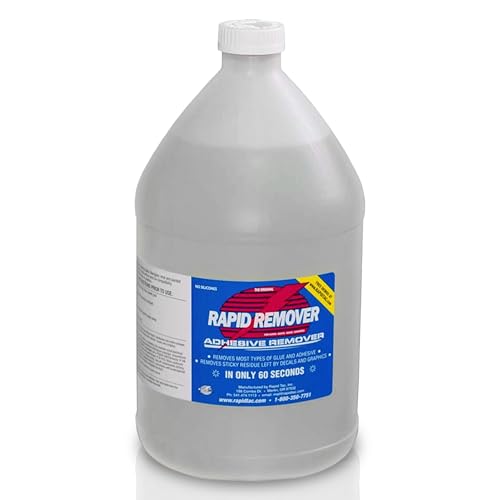
| Fastest Working Formula | Primary Use Case: Vinyl wrap and graphic removal | Application Method: Spray with included sprayer bottle | Formula Type: Water-soluble and non-toxic | VIEW LATEST PRICE | Read Our Analysis |
| Decal Remover Eraser Wheel for Cars and Stickers |

| Best Mechanical Solution | Primary Use Case: Automotive decal and sticker removal | Application Method: Mechanical wheel with drill adapter | Formula Type: Mechanical rubber abrasive wheel | VIEW LATEST PRICE | Read Our Analysis |
| Goo Gone Adhesive Remover Spray Gel (2-Pack) |

| Most Versatile Remover | Primary Use Case: General household sticky mess removal | Application Method: Spray gel | Formula Type: Citrus-based spray gel | VIEW LATEST PRICE | Read Our Analysis |
More Details on Our Top Picks
Goo Gone Pro Power Adhesive Remover 8oz
Need professional-grade power to tackle tough adhesive jobs? Goo Gone Pro Power Adhesive Remover delivers results for commercial and household use. This 8-ounce formula dissolves silicone caulk, adhesives, sealants, tree sap, wet paint, glue, grease, asphalt, ink, marker, soot, tar, wax, and oil. You can safely apply it to ceramic, porcelain, finished wood, plastics, glass, metals, and painted surfaces. The product works effectively on cars for removing stickers, wet paint, or oil residue. Its professional-grade formulation handles larger, stickier tasks without damaging common household materials, making it a reliable choice for both routine cleanup and demanding removal projects.
- Primary Use Case:Commercial/professional adhesive removal
- Application Method:Liquid pour/applicator
- Formula Type:Solvent-based liquid
- Safe Surfaces:Ceramics, woods, plastics, glass, metals, painted surfaces
- Size/Quantity:8 ounces
- Key Adhesive Types Removed:Silicone caulk, sealants, tree sap, paint, grease, tar, wax, oil
- Additional Feature:Professional-grade formulation
- Additional Feature:Safe for automotive use
- Additional Feature:Removes silicone caulk
3M Adhesive Remover 12 oz (03618VOC20)
When you’re tackling auto repair jobs, you’ll want an adhesive remover that dissolves sticky residue without damaging your vehicle’s finish. 3M’s 12 oz aerosol formula cuts through masking tape residue and adhesive buildup quickly, using a non-abrasive solvent blend that leaves no trace behind on cured automotive paint. You can apply this remover during and after collision repair work. The low-VOC formula contains less than 20% volatile organic compounds, making it safer for extended use. Beyond automotive applications, you’ll find it effective on glass and vinyl surfaces. Simply spray the product directly onto the adhesive, allow it to penetrate, then wipe away the residue. Your surfaces stay clean and undamaged.
- Primary Use Case:Automotive paint-safe adhesive removal
- Application Method:Aerosol spray
- Formula Type:Non-abrasive solvent blend aerosol
- Safe Surfaces:Cured automotive paint, glass, vinyl
- Size/Quantity:12 ounces
- Key Adhesive Types Removed:Masking residue, general adhesive
- Additional Feature:Low VOC aerosol formula
- Additional Feature:No residue left behind
- Additional Feature:Safe on cured paint
Rapid Remover Adhesive Remover 128 oz (1 Gallon)
Rapid Remover’s fastest-working formula removes adhesives in 30–60 seconds, making it ideal for professionals like installers, sign shops, and detailers who need quick results on vinyl wraps, graphics, decals, and stripes. You spray the water-soluble solution directly onto the adhesive residue, then wipe it away with ease. The formula won’t damage painted surfaces or bare metal, so you can work confidently across different materials. You rinse the area with water or Rapid Tac to finish. The 128 oz sprayer bottle suits both spot jobs and full surface treatments, and the cold-weather formulation maintains performance in cooler temperatures, ensuring consistent results year-round.
- Primary Use Case:Vinyl wrap and graphic removal
- Application Method:Spray with included sprayer bottle
- Formula Type:Water-soluble and non-toxic
- Safe Surfaces:Painted surfaces and bare metal
- Size/Quantity:128 ounces (1 gallon)
- Key Adhesive Types Removed:Vinyl wrap and graphic adhesives
- Additional Feature:Water-soluble, non-toxic base
- Additional Feature:Cold weather ready
- Additional Feature:Includes 128 oz sprayer
Decal Remover Eraser Wheel for Cars and Stickers
For automotive enthusiasts tackling stubborn vinyl decals and adhesive residue, the Decal Remover Eraser Wheel offers the superior mechanical solution that hand scraping simply can’t match. Install the rubber wheel onto your power drill using the included adapter, then set your drill speed between 1500 and 3000 RPM for optimal results. Position the wheel at the top edge of your decal and apply light, steady pressure while working back and forth across the surface. The medium-grit wheel removes vinyl, pinstripes, and adhesive safely without scratching acrylic enamel, urethane paint, or clearcoat finishes. Avoid using this tool on plastic or lacquer coatings, which the wheel can damage.
- Primary Use Case:Automotive decal and sticker removal
- Application Method:Mechanical wheel with drill adapter
- Formula Type:Mechanical rubber abrasive wheel
- Safe Surfaces:Acrylic enamel, urethane paint, clearcoat
- Size/Quantity:3.5 inches diameter wheel
- Key Adhesive Types Removed:Vinyl decal and pinstripe adhesives
- Additional Feature:Electric drill compatible
- Additional Feature:Medium grit (180)
- Additional Feature:Maximum 4000 RPM speed
Goo Gone Adhesive Remover Spray Gel (2-Pack)
Goo Gone’s spray gel stands as the most versatile remover for sticky situations you’ll encounter at home. The thicker formula clings to vertical surfaces, giving adhesive time to break down without dripping. Apply the gel directly to gum, tape residue, stickers, or labels. Let it sit briefly, then scrape or wipe away the loosened residue with a cloth or scraper tool. The citrus-based formula removes grease, tar, and oil without damaging paint or finishes. This 2-pack provides sufficient product for multiple applications throughout your home.
- Primary Use Case:General household sticky mess removal
- Application Method:Spray gel
- Formula Type:Citrus-based spray gel
- Safe Surfaces:Most surfaces without finish damage
- Size/Quantity:2-pack (quantity not specified per bottle)
- Key Adhesive Types Removed:Gum, tape residue, labels, grease, tar, oil
- Additional Feature:Thicker cling gel formula
- Additional Feature:Natural citrus cleaning power
- Additional Feature:Drip-free vertical surface cling
Factors to Consider When Choosing an Adhesive Remover
When selecting an adhesive remover, you’ll need to evaluate five key factors: surface compatibility to prevent damage, formula strength appropriate for your specific adhesive type, drying time that fits your schedule, environmental and health safety standards, and application method that matches your comfort level. Check the product label against your surface material—whether plastic, wood, metal, or fabric—since some removers can discolor or weaken certain materials. Balance effectiveness with practicality by considering how quickly you need results, whether you prefer sprays or gels, and what safety precautions the product requires for indoor or outdoor use.
Surface Compatibility and Safety
One of the most critical factors in choosing an adhesive remover is verifying that it won’t damage the surface you’re treating. Start by checking the product label for explicit compatibility statements with your specific surface—ceramic, porcelain, finished wood, plastics, glass, metals, or painted surfaces. Look for assurances that the formula won’t harm cured paints or clearcoats, particularly on automotive and exterior applications. Examine surface-specific warnings carefully, as some removers aren’t recommended for plastic or lacquer coatings. Verify the formula works safely on both bare metal and painted substrates to prevent corrosion or discoloration. Choose water-soluble or non-abrasive formulas when possible to simplify cleanup and reduce scratching risks on delicate finishes. This verification step prevents costly damage before application.
Formula Type and Strength
How do you choose between a gel and a spray when you’re standing in the aisle with sticky residue waiting to be tackled? Gels cling to vertical surfaces longer, giving you extended contact time to break down adhesives. Sprays spread quickly across flat areas but rinse off faster. Next, consider the formulation strength. Adhesive removers come in varying strengths designed for specific messes—adhesives, inks, and grease each require different power levels. Stronger formulations work faster on stubborn residue but may need longer dwell time. Professional-grade removers handle larger, stickier tasks and work well on automotive surfaces. Finally, check the base type: water-soluble formulas rinse with water, while solvent-based options require different cleanup methods. Match your choice to your specific mess and surface.
Drying Time and Efficiency
Does your adhesive remover work fast enough for your schedule? Drying time varies considerably based on the product’s formulation and application method. Spray-on removers typically dry faster than gel-based options because they use lighter solvents that evaporate quickly. Water-soluble removers rinse away in minutes, reducing overall removal time substantially. Heavier solvent blends require longer dwell time—sometimes 10-15 minutes—to break down adhesive before you can wipe it away. Temperature affects performance too; some products maintain effectiveness in cold weather while others work best in heat. Consider your climate and timeline when selecting a remover. For quick jobs, choose aerosol sprays or water-based formulas. For stubborn adhesive, accept that heavier-duty removers need extended waiting periods but deliver superior results.
Environmental and Health Concerns
While speed matters for getting adhesive off quickly, what happens to your health and the environment after you’ve used the remover matters just as much. Check the VOC label—products under 20% VOC reduce indoor air pollution significantly. Choose water-soluble or gel-based formulas that rinse easily and leave minimal residue, lowering inhalation risks. Look for removers labeled safe on multiple surfaces like ceramics, plastics, and metals, which means you’ll use fewer different products overall. Select non-abrasive solvent blends to prevent surface damage and microscopic particle release. Review safety data for non-toxic or biodegradable certifications before purchasing. These factors determine how safely you can dispose of the product and clean up afterward without harming yourself or your surroundings.
Application Method and Ease
When you’re selecting an adhesive remover, the application method you choose directly affects how quickly you’ll finish the job and how well the product’ll work on your specific surface. Aerosol sprays deliver even coverage quickly but work best on flat areas. Gels and liquids require longer contact time, making them ideal for stubborn adhesives on vertical surfaces where they won’t slip. Consider your surface texture too—applicator tools like eraser wheels handle curved or textured areas more effectively than spray alone. Water-soluble removers rinse away easily, eliminating cleanup hassles. Solvent-based options require wiping and residue checks. Match your choice to dwell time needs and reapplication frequency for tough residues. Review ventilation requirements based on whether you’re using spray or gel formulations.
Coverage Area and Size
How much adhesive remover you’ll need depends on both the container size and the surface area you’re treating. Small bottles—typically 4 to 16 ounces—work well for minor tasks like removing stickers or tape from a few items. For larger projects covering multiple surfaces or professional applications, gallon-sized containers offer better value and reduce restocking frequency. Check the product label for coverage rates, which specify how many square feet one ounce treats. This varies based on adhesive thickness and formulation. Measure your work area first, then calculate the amount needed using the coverage information. Choosing the right size prevents waste while ensuring you have sufficient product to complete your job without interruption.
Specialized Use Cases
Different surfaces and projects demand different adhesive removers, so you’ll want to match the product to your specific task. For vinyl wraps and graphics, use a dedicated adhesive remover that breaks down film-backed adhesives quickly without harming the underlying substrate. Automotive applications require removers safe on cured paints, glass, vinyl, and clear coats to prevent discoloration or damage. Choose water-soluble or non-toxic formulas for painted surfaces and bare metal—they rinse away easily after use. For decals, graphics, or pinstriping, select removers with fast action times of 30–60 seconds and compatibility with urethane enamel and clearcoat. Spray gels and aerosol blends offer different dwell times and spray patterns, making them efficient for vertical surfaces or precision spot removals.
Temperature Performance Capabilities
Since adhesive removers work differently depending on weather and storage conditions, you’ll need to contemplate how temperature affects your product’s effectiveness. Cold-weather formulas maintain their potency when temperatures drop, preventing performance loss during vinyl wrap or decal removal. Water-soluble products simplify cleanup in cooler conditions by allowing easier rinsing and reducing residue. Check product labels for cold-temperature specifications to ensure suitability for your climate. Select removers with chemical compositions that remain mobile at lower temperatures, activating effectively to break down adhesive bonds. Verify compatibility with painted surfaces in cool weather to avoid additional damage. Store products according to manufacturer guidelines, as improper storage in cold environments can compromise their ability to work properly.
Final Thoughts
You’ll choose the right adhesive remover by matching the product to your surface and situation. Use Goo Gone Pro Power for multiple materials, 3M for auto paint and glass, or Rapid Remover for vinyl wraps. For curved surfaces, try the Eraser Wheel. Apply your chosen remover, wait the recommended time, then wipe clean. Test on inconspicuous areas first to prevent damage.

Meet Ry, “TechGuru,” a 36-year-old technology enthusiast with a deep passion for tech innovations. With extensive experience, he specializes in gaming hardware and software, and has expertise in gadgets, custom PCs, and audio.
Besides writing about tech and reviewing new products, he enjoys traveling, hiking, and photography. Committed to keeping up with the latest industry trends, he aims to guide readers in making informed tech decisions.