
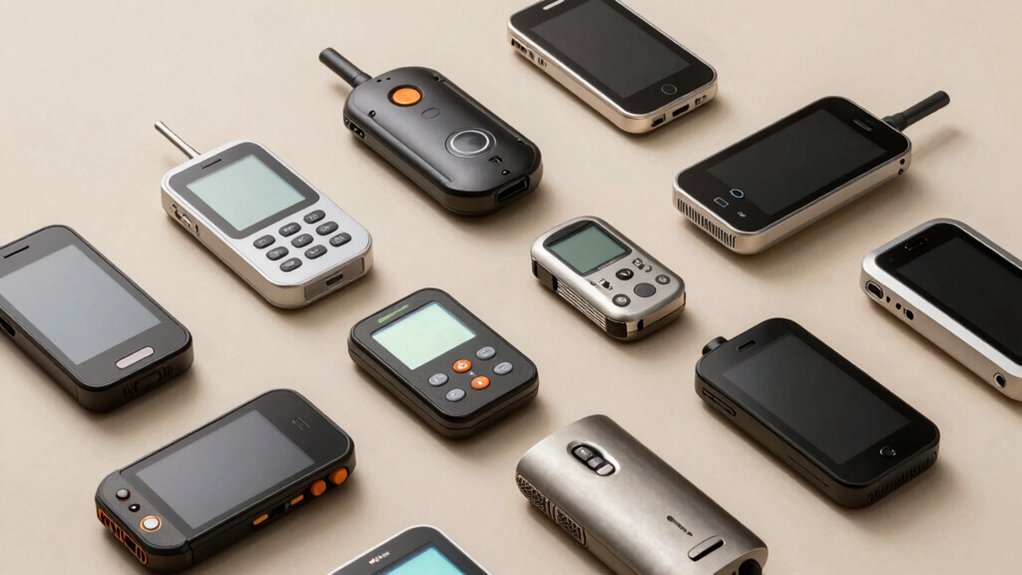

When you’re traveling off-grid or in remote areas, you need a reliable way to stay connected. Satellite communicators let you send messages, share your location, and call for help when cellular networks aren’t available. You’ll find options ranging from budget-friendly devices to advanced units with extended battery life and multiple network choices. The device you choose depends on your specific needs—but which features matter most?
| ZOLEO Satellite Communicator SMS Messenger & Emergency SOS |
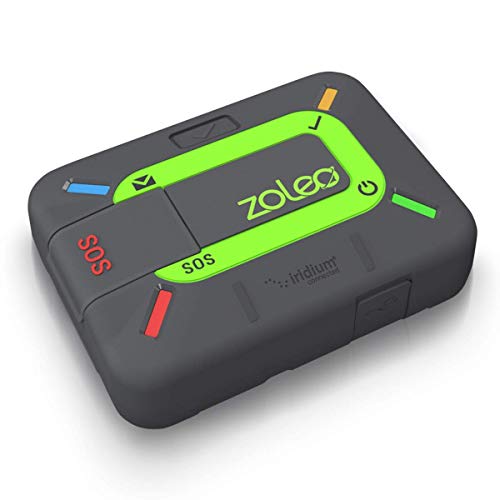
| Best Overall | Emergency SOS: 24/7 monitoring center SOS alert with GPS | Satellite Network: Iridium network (2-way global messaging) | Two-Way Messaging: SMS/email via app or device; unlimited check-ins | VIEW LATEST PRICE | Read Our Analysis |
| Garmin inReach Mini 3 Plus Satellite Communicator |

| Most Versatile | Emergency SOS: Interactive SOS to Garmin Response 24/7 center | Satellite Network: Iridium network (global coverage) | Two-Way Messaging: Text and voice messages; photos via app pairing | VIEW LATEST PRICE | Read Our Analysis |
| Motorola Defy Satellite Link GPS Communicator SOS |

| Budget-Friendly Pick | Emergency SOS: Manual SOS trigger with unlimited SOS per plan | Satellite Network: Satellite-enabled 2-way messaging (service plan required) | Two-Way Messaging: 2-way SMS text messaging via Bluetooth connection | VIEW LATEST PRICE | Read Our Analysis |
| Garmin inReach Mini 2 Satellite Communicator |

| Best For Beginners | Emergency SOS: Interactive SOS via Garmin devices (subscription required) | Satellite Network: Iridium network (active subscription required) | Two-Way Messaging: Two-way messaging via Garmin Explore app | VIEW LATEST PRICE | Read Our Analysis |
| ACR Bivy Stick Satellite Communicator & GPS Tracker |

| Most Feature-Rich | Emergency SOS: 24/7 Emergency SOS Monitoring via Global Rescue | Satellite Network: Iridium satellite network (global coverage) | Two-Way Messaging: Two-way SMS, email, and GroupTrack (up to 12 people) | VIEW LATEST PRICE | Read Our Analysis |
| Spot X Bluetooth 2-Way Satellite Messenger GPS |

| Best For Adventures | Emergency SOS: 24/7 Search & Rescue service with SOS protection | Satellite Network: Globalstar satellite network (subscription applicable) | Two-Way Messaging: 2-way messaging via Bluetooth; message any cell/email | VIEW LATEST PRICE | Read Our Analysis |
| Garmin inReach Messenger Satellite Communicator Two-Way Messaging |

| Lightweight Essential | Emergency SOS: Interactive SOS to Garmin IERCC 24/7 center | Satellite Network: Iridium network (active subscription required) | Two-Way Messaging: Two-way text messaging via Garmin Messenger app | VIEW LATEST PRICE | Read Our Analysis |
| Garmin inReach Messenger Plus SOS Satellite Communicator |

| Professional Grade | Emergency SOS: Interactive SOS with Garmin Response 24/7 center | Satellite Network: Wi-Fi/cellular with satellite backup (subscription required) | Two-Way Messaging: Text (1,600 characters), photos, and voice (30-second) messages | VIEW LATEST PRICE | Read Our Analysis |
| Garmin inReach Mini 3 Satellite Communicator Bundle |

| Best Value | Emergency SOS: Interactive SOS alert to Garmin Response 24/7 center | Satellite Network: Iridium network (active subscription required) | Two-Way Messaging: Two-way text messaging via Garmin Messenger app | VIEW LATEST PRICE | Read Our Analysis |
More Details on Our Top Picks
ZOLEO Satellite Communicator SMS Messenger & Emergency SOS
If you’re looking for a satellite communicator that handles both messaging and emergencies without breaking your budget, the ZOLEO device covers all the essentials you’ll need. You’ll get 2-way messaging via satellite, cellular, and Wi-Fi networks, choosing whichever costs least. The device sends your GPS coordinates with every message and offers unlimited check-ins. For emergencies, press the SOS button to alert a 24/7 monitoring center with your location. Monthly plans start at $20 and include unlimited SOS alerts and Wi-Fi messages. The rugged, IP68-rated device lasts over 200 hours on battery and works with your smartphone through an app. You can share waypoints periodically and access weather forecasts with optional add-ons.
- Emergency SOS:24/7 monitoring center SOS alert with GPS
- Satellite Network:Iridium network (2-way global messaging)
- Two-Way Messaging:SMS/email via app or device; unlimited check-ins
- Water/Durability Rating:IP68-rated (dustproof and waterproof)
- Battery Life:Over 200 hours
- GPS Location Sharing:GPS coordinates in messages/check-ins; optional waypoint sharing
- Additional Feature:Affordable plans from $20/month
- Additional Feature:Smartphone app integration
- Additional Feature:Unlimited check-ins included
Garmin inReach Mini 3 Plus Satellite Communicator
The Garmin inReach Mini 3 Plus is the most versatile satellite communicator for adventurers who need reliable global connectivity and emergency support. This lightweight device uses the Iridium network to send texts, photos, and voice messages without cell service. Pair it with your smartphone via the Garmin Messenger app to access full messaging features. Activate an SOS function to contact Garmin’s 24/7 response center with your location. The rugged touchscreen withstands extreme weather, and the battery lasts up to 350 hours in tracking mode. Plan routes through the Garmin Explore app and monitor your trip in real time. Confirm your jurisdiction allows satellite devices before purchasing.
- Emergency SOS:Interactive SOS to Garmin Response 24/7 center
- Satellite Network:Iridium network (global coverage)
- Two-Way Messaging:Text and voice messages; photos via app pairing
- Water/Durability Rating:IP67 water rating (withstands extreme weather)
- Battery Life:Up to 350 hours (10-minute tracking); 95 hours (performance mode)
- GPS Location Sharing:LiveTrack location sharing (distance, time, elevation data)
- Additional Feature:Photo messaging capability
- Additional Feature:Voice command functionality
- Additional Feature:Up to 350 hours battery
Motorola Defy Satellite Link GPS Communicator SOS
Motorola’s budget-friendly Defy Satellite Link works best for adventurers who need reliable off-grid communication without expensive equipment. You pair the device with iOS 14 or Android 10+ phones via Bluetooth to unlock two-way messaging and GPS location sharing. The rugged unit features an IP68 rating, withstanding dust and water in harsh conditions. With a $19.99 monthly service plan, you gain unlimited SOS alerts that trigger manually without requiring an existing connection. The 600 mAh battery lasts up to four days on standby. Weighing 2.5 ounces and measuring 3.4 by 2.5 by 0.5 inches, you’ll easily attach it using the included D-ring webbing strap during expeditions.
- Emergency SOS:Manual SOS trigger with unlimited SOS per plan
- Satellite Network:Satellite-enabled 2-way messaging (service plan required)
- Two-Way Messaging:2-way SMS text messaging via Bluetooth connection
- Water/Durability Rating:IP68-rated (dustproof and waterproof)
- Battery Life:Up to 4 days standby
- GPS Location Sharing:GPS location sharing with check-in coordinates/message
- Additional Feature:Compact 2.5 ounce design
- Additional Feature:75 miles offshore coverage
- Additional Feature:4 day standby battery
Garmin inReach Mini 2 Satellite Communicator
Looking for straightforward satellite communication without complex features? The Garmin inReach Mini 2 delivers two-way messaging and interactive SOS capabilities globally with an active satellite subscription. You’ll navigate using TracBack routing to retrace your path and share your location through MapShare pages or embedded coordinates. The device syncs with the Garmin Explore app on compatible smartphones for trip planning and topographical mapping. You can create and sync waypoints, courses, and activities directly to your device. Its lightweight, compact design provides up to 14 days of battery life in 10-minute tracking mode, making it reliable for extended outdoor adventures.
- Emergency SOS:Interactive SOS via Garmin devices (subscription required)
- Satellite Network:Iridium network (active subscription required)
- Two-Way Messaging:Two-way messaging via Garmin Explore app
- Water/Durability Rating:No specific rating listed
- Battery Life:Up to 14 days (10-minute tracking mode)
- GPS Location Sharing:Share location via MapShare page or embedded coordinates
- Additional Feature:TracBack navigation routing
- Additional Feature:Digital compass heading
- Additional Feature:14 day battery life
ACR Bivy Stick Satellite Communicator & GPS Tracker
Need reliable two-way communication in remote areas? The ACR Bivy Stick delivers global Iridium satellite coverage for SMS, email, and GPS tracking. Download the Bivy app on iOS or Android to access two-way messaging, unlimited GPS check-ins, and live tracking with breadcrumb maps. Use GroupTrack to share your location with up to 12 people simultaneously. The device offers offline maps, navigation tools, and 24/7 emergency SOS monitoring through Global Rescue. Its IPX7 waterproof rating and 120-hour battery life suit outdoor activities like hiking and camping. Monthly plans start at $19.99, with annual options available. The compact device weighs 3.35 ounces and includes carabiner, lanyard, and charging cable.
- Emergency SOS:24/7 Emergency SOS Monitoring via Global Rescue
- Satellite Network:Iridium satellite network (global coverage)
- Two-Way Messaging:Two-way SMS, email, and GroupTrack (up to 12 people)
- Water/Durability Rating:IPX7 waterproof (MIL-STD-810 compliant)
- Battery Life:120 hours average
- GPS Location Sharing:Unlimited GPS check-ins and live tracking with breadcrumb map
- Additional Feature:GroupTrack messaging (12 people)
- Additional Feature:Offline maps included
- Additional Feature:Three pricing tier options
Spot X Bluetooth 2-Way Satellite Messenger GPS
The Spot X device keeps adventurers connected through Globalstar’s satellite network when you’re hiking, camping, or traveling in remote areas where cell service doesn’t reach. You’ll sync it via Bluetooth to your smartphone to send messages to any cell number or email address. The device transmits your exact GPS coordinates to emergency responders if you activate SOS. You receive a dedicated US mobile number for incoming messages and can exchange emergency details with Search & Rescue services. Battery life averages 240 hours, and you’ll need to select a service plan during activation. The compact design weighs 0.44 pounds, fitting easily into backpacks or gear bags.
- Emergency SOS:24/7 Search & Rescue service with SOS protection
- Satellite Network:Globalstar satellite network (subscription applicable)
- Two-Way Messaging:2-way messaging via Bluetooth; message any cell/email
- Water/Durability Rating:Durable plastic enclosure (no rating specified)
- Battery Life:Average 240 hours
- GPS Location Sharing:GPS-based location transmission to contacts/emergency responders
- Additional Feature:Dedicated US mobile number
- Additional Feature:240 hour average battery
- Additional Feature:Standalone device operation
Garmin inReach Messenger Satellite Communicator Two-Way Messaging
Garmin’s inReach Messenger serves adventurers, remote workers, and travelers who need reliable communication beyond cellular networks. You’ll send two-way text messages globally through the Garmin Messenger app, even without cell coverage. The device optimizes delivery using both cellular and satellite connections. You can create group chats, send preset check-in messages that don’t count toward your allotment, and share your GPS location with contacts. An interactive SOS feature connects you directly to Garmin’s 24/7 monitoring center during emergencies. The rechargeable battery lasts up to 28 days in 10-minute tracking mode. You’ll need an active satellite subscription and should verify local regulations, as some jurisdictions restrict satellite devices.
- Emergency SOS:Interactive SOS to Garmin IERCC 24/7 center
- Satellite Network:Iridium network (active subscription required)
- Two-Way Messaging:Two-way text messaging via Garmin Messenger app
- Water/Durability Rating:No specific rating listed
- Battery Life:Up to 28 days (10-minute tracking mode)
- GPS Location Sharing:Shared GPS location available to contacts
- Additional Feature:Preset messages (unlimited check-ins)
- Additional Feature:Group messaging functionality
- Additional Feature:28 day battery life
Garmin inReach Messenger Plus SOS Satellite Communicator
Ever need reliable communication beyond cellular networks? The Garmin inReach Messenger Plus SOS Satellite Communicator provides two-way text, photo, and voice messaging without cell service. It uses Wi-Fi or cellular connection when available, then switches to satellite in remote areas. You can send text messages up to 1,600 characters, share photos, and record 30-second voice messages. The device pairs with compatible Garmin watches or handhelds for control from your wrist. Live tracking shares your GPS location with friends and family through the Garmin Explore app. An active subscription enables satellite messaging and interactive SOS services with Garmin’s 24/7 response center. Battery life reaches 25 days in 10-minute tracking mode, and the device is water-resistant.
- Emergency SOS:Interactive SOS with Garmin Response 24/7 center
- Satellite Network:Wi-Fi/cellular with satellite backup (subscription required)
- Two-Way Messaging:Text (1,600 characters), photos, and voice (30-second) messages
- Water/Durability Rating:IPX7 water-resistant (durable design)
- Battery Life:Up to 25 days (10-minute tracking mode)
- GPS Location Sharing:Share GPS location and live tracking via Garmin Explore app
- Additional Feature:30-second voice messaging
- Additional Feature:Photo sharing capability
- Additional Feature:25 day tracking mode battery
Garmin inReach Mini 3 Satellite Communicator Bundle
For adventurers who need reliable communication beyond cellular range, Garmin’s inReach Mini 3 delivers exceptional value through dual-network messaging and emergency capabilities. The bundle includes a USB-C cable, wall charger, and cleaning cloth. You’ll access two-way text messaging via the Iridium satellite network, enabling location sharing and custom messages when cell service isn’t available. The device features a 0.9-inch touchscreen and IP67-rated housing that withstands harsh conditions. Battery life reaches 350 hours with 10-minute tracking intervals. Activate an SOS alert to reach Garmin’s 24/7 emergency center, which coordinates rescue response using your transmitted location. Pair the device with compatible Garmin watches for remote monitoring. Note that you’ll need an active satellite subscription for messaging features.
- Emergency SOS:Interactive SOS alert to Garmin Response 24/7 center
- Satellite Network:Iridium network (active subscription required)
- Two-Way Messaging:Two-way text messaging via Garmin Messenger app
- Water/Durability Rating:IP67-rated housing (withstands harsh environments)
- Battery Life:Up to 350 hours (10-minute tracking)
- GPS Location Sharing:Share GPS location and preset check-ins via app
- Additional Feature:Includes USB wall charger
- Additional Feature:Color touchscreen display
- Additional Feature:Multi-constellation navigation (GPS/GLONASS/Galileo)
Factors to Consider When Choosing Satellite Communicator Devices
When selecting a satellite communicator, you’ll need to evaluate four critical factors: global coverage and network reliability, battery life and power management capabilities, messaging features that match your needs, and emergency SOS responsiveness. Start by checking whether the device’s network covers your intended travel locations, then assess how long the battery lasts under your typical usage conditions. Finally, compare the messaging speed, character limits, and emergency alert systems across your top choices to ensure (or substitute) the device meets your communication requirements.
Factors to Consider When Choosing Satellite Communicator Devices
What matters most when selecting a satellite communicator depends on your specific needs and trip requirements. First, confirm an active satellite subscription exists for two-way messaging and SOS features. Next, check battery life estimates against your trip duration—some devices last 350 hours in tracking mode or four days on standby. Verify geographic coverage in your destination region, as certain jurisdictions restrict or prohibit satellite devices. Review SOS monitoring availability through 24/7 response centers like Garmin Response or Global Rescue, ensuring interactive SOS with location data is supported. Finally, confirm smartphone compatibility with iOS or Android and check app ecosystem requirements—whether Garmin Explore, Garmin Messenger, ZOLEO, or Bivy—and determine pairing methods like Bluetooth or Wi-Fi connectivity.
Global Coverage And Network
Beyond confirming your device’s basic features and app compatibility, you’ll need to evaluate which satellite network your communicator uses—and whether that network actually reaches your destination. Two major networks dominate the market: Iridium and Globalstar. Iridium provides truly global coverage, including polar regions, making it ideal for extreme expeditions. Globalstar offers reliable coverage in most populated areas but has limited service in remote locations. Check each network’s coverage map against your planned route. Some jurisdictions restrict or prohibit satellite devices entirely, so verify local regulations before purchasing. Research whether your chosen device operates on the network available in your region. Coverage gaps can render your communicator useless in emergencies, so this step determines your device’s practical value.
Battery Life And Power Management
How long your satellite communicator’ll actually last between charges depends on three key factors: battery capacity, usage patterns, and the specific features you’re running.
First, check the battery type. Devices with Li-Po batteries typically outlast those with internal rechargeable cells. Next, examine your tracking interval settings. A 10-minute tracking frequency drains power faster than hourly updates, so adjust intervals based on your needs.
Third, consider your feature usage. Live GPS tracking and SOS functions consume significantly more energy than basic messaging. Standby mode preserves battery far better than active modes.
Finally, review manufacturer specs carefully. Some models deliver 350 hours in tracking modes, while others manage only 200 hours. Match these specifications to your expedition length and communication requirements before purchasing.
Messaging Capabilities And Features
Once you’ve locked down a device that’ll power through your expedition, you’ll want to evaluate what it can actually communicate. Check whether the device supports two-way text messaging, which lets you send and receive messages globally without cellular service. Some models offer multimedia capabilities, allowing you to transmit photos and voice messages alongside standard texts. Review character limits—many devices support up to 1,600 characters per message, giving you room for detailed updates. Look for preset check-in messages that streamline quick status reports. Consider live tracking features for sharing your location automatically with contacts. Finally, examine SOS functionality, which routes emergencies to 24/7 monitoring centers, typically requiring an active subscription. Match these messaging features to your specific communication needs before purchasing.
Emergency SOS Responsiveness
When you’re evaluating a satellite communicator’s emergency capabilities, you’ll want to prioritize how quickly it can connect you with a 24/7 monitoring center during a crisis. Check whether the device requires an active satellite subscription for SOS functionality—some models won’t send alerts without one. Verify that your device transmits GPS coordinates with the alert, allowing rescuers to locate you precisely. Look for devices that provide status confirmations, letting you know help is being dispatched. Review regulatory restrictions in your region, as certain jurisdictions limit satellite emergency features. Finally, test the device’s SOS button accessibility and response time before relying on it in remote areas. These factors directly impact your safety during emergencies.
Durability And Weather Resistance
Beyond ensuring your device can call for help, you’ll need to confirm it can survive the environments where you’ll use it. Check the IP rating—IP68 or IP67 indicates solid water and dust resistance. Verify the device can handle submersion beyond one meter for extended periods if you’ll work near water. Examine the construction materials for rugged plastics or reinforced metals that absorb impacts and drops. Look for MIL-STD-810 compliance, which guarantees performance in harsh outdoor conditions. Assess battery performance in cold temperatures and confirm long standby life. Test the seals around ports and compartments to prevent water ingress. These durability features determine whether your communicator functions reliably in remote, unpredictable environments where replacement isn’t possible.
Device Compatibility And Ecosystem
How does your satellite communicator fit into your existing tech setup?
You’ll need to check if your device requires a smartphone app to access messaging, location sharing, and SOS features. Most communicators pair with Android or iOS apps like Garmin Explore or Garmin Messenger. Verify your phone’s operating system compatibility before purchasing.
Next, confirm whether your device needs an active satellite subscription to unlock full functionality. Some subscriptions cover two-way messaging and emergency services only.
Finally, examine connectivity options. Most devices use Bluetooth or USB to link with phones and wearables. Check if your communicator supports group messaging or if it’s limited to individual contacts. This determines who receives your location updates and emergency alerts. Understanding these ecosystem requirements ensures your device works seamlessly with your other technology.
Service Plan Pricing Structure
What you’ll pay for satellite communication depends on which tier and billing option you choose. Monthly plans typically range from $19 to $34, with higher tiers enabling unlimited SOS alerts and check-in features. You’ll need an active satellite subscription to access two-way messaging, emergency services, and location sharing.
Compare tiered options—Basic, Plus, and Unlimited—because they directly affect your message limits, tracking frequency, and group-sharing capabilities. Annual billing generally costs less per month than month-to-month plans, so calculate your total yearly expense before committing.
Factor in add-ons separately. Weather data, travel risk coverage, and live breadcrumb tracking often require higher-tier plans or separate subscriptions. Review what features you actually need before selecting your plan to avoid paying for unused services.
Final Thoughts
You’ll select the right satellite communicator by matching your needs to specific features. Compare battery life (28 days to 350 hours), network types (Iridium or Globalstar), and messaging capabilities. Check compatibility with your phone or standalone operation. Consider ruggedness ratings for your environment. Evaluate SOS features and tracking options. Review subscription costs and coverage maps for your travel areas. Test the device’s interface before committing to ensure you can operate it easily in emergencies.

Meet Ry, “TechGuru,” a 36-year-old technology enthusiast with a deep passion for tech innovations. With extensive experience, he specializes in gaming hardware and software, and has expertise in gadgets, custom PCs, and audio.
Besides writing about tech and reviewing new products, he enjoys traveling, hiking, and photography. Committed to keeping up with the latest industry trends, he aims to guide readers in making informed tech decisions.