

You’ll find four solid WiFi-only phone options that eliminate the need for cell service. Each device serves different needs: the Motorola Moto G Play 2024 delivers a larger screen and battery for extended use, the Mini Smartphone 3.0 prioritizes portability in a compact frame, the Grandstream WP826 specializes in VoIP calls, and the Vortex JK68 balances screen size with performance. Understanding what matters most for your situation helps you choose the right fit—so let’s examine each one.
| Motorola Moto G Play 2024 Unlocked Smartphone |

| Best Display & Camera | Operating System: Android 13 | Display Size: 6.5 inches | RAM: 4 GB | VIEW LATEST PRICE | Read Our Analysis |
| Mini Smartphone 3.0″ HD Touchscreen Unlocked Android |

| Most Portable Option | Operating System: Android 9.0 | Display Size: 3.0 inches | RAM: 2 GB | VIEW LATEST PRICE | Read Our Analysis |
| Grandstream Cordless WiFi IP Phone WP826 SIP Phone |

| Not WiFi-Only Phone | Operating System: Not applicable (VoIP cordless phone) | Display Size: 4.0 inches | RAM: Not applicable (VoIP cordless phone) | VIEW LATEST PRICE | Read Our Analysis |
| Vortex JK68 Unlocked Android Smartphone 6.7″ HD |
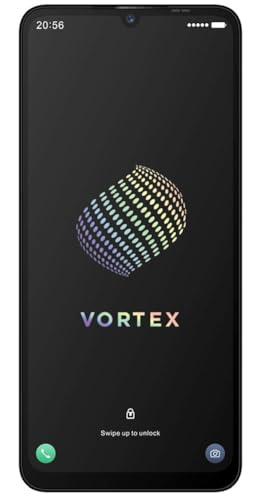
| Budget Android Choice | Operating System: Android 14 | Display Size: 6.745 inches | RAM: 4 GB | VIEW LATEST PRICE | Read Our Analysis |
More Details on Our Top Picks
Motorola Moto G Play 2024 Unlocked Smartphone
Why settle for basic visuals when you’re connecting over WiFi? The Moto G Play 2024 delivers a 6.5-inch HD+ LCD display with 90Hz refresh rates, ensuring smooth streaming and browsing. You’ll get 4GB of RAM and 64GB expandable storage for apps and media. The Snapdragon 680 processor handles everyday tasks efficiently. A 5000mAh battery supports extended WiFi usage without frequent charging. The 50MP rear camera with Quad Pixel technology captures detailed photos in low light. Stereo speakers with Dolby Atmos enhance your audio experience. Connect via WiFi and Bluetooth without needing cell service. The 3.5mm headphone jack and USB Type-C port provide flexible connectivity options.
- Operating System:Android 13
- Display Size:6.5 inches
- RAM:4 GB
- Expandable Storage:Up to 1 TB via microSD
- WiFi Connectivity:Wi-Fi with GPS navigation
- Warranty:Manufacturer warranty available
- Additional Feature:5000 mAh battery capacity
- Additional Feature:50 MP rear camera
- Additional Feature:Water-repellent design
Mini Smartphone 3.0″ HD Touchscreen Unlocked Android
Looking for a phone that won’t weigh you down? The Mini Smartphone 3.0″ HD Touchscreen delivers portability without sacrificing essential functions. At 3.54 x 1.97 inches, it fits easily in your pocket for travel or outdoor activities. You’ll connect via WiFi using its built-in connectivity and access apps like WhatsApp and YouTube through Google Play Store. The device supports dual SIM cards and expands storage up to 128GB with a MicroSD card. Its quad-core processor handles basic tasks, while Face ID provides security. You’ll get a 24-month warranty with included accessories: phone case, screen protector, and USB Type-C cable. This phone works best when you prioritize essential connectivity over extensive app usage.
- Operating System:Android 9.0
- Display Size:3.0 inches
- RAM:2 GB
- Expandable Storage:Up to 128 GB via microSD
- WiFi Connectivity:WiFi with built-in GPS
- Warranty:24-month manufacturer warranty
- Additional Feature:Face ID facial recognition
- Additional Feature:Ultra-portable compact size
- Additional Feature:Dual SIM support
Grandstream Cordless WiFi IP Phone WP826 SIP Phone
The Grandstream WP826 serves professionals who need cordless VoIP calling that isn’t limited to WiFi-only connectivity—it works on existing VoIP networks through your internet connection. This dual-band Wi-Fi 6 phone features a 4-inch color LCD display and dual microphones for clear HD voice calls. The lithium-ion battery delivers 12 hours of talk time and 240 hours on standby, enabling extended cordless mobility throughout your office or home. The included charging base keeps your phone ready for use. With integrated roaming support, you’ll maintain connectivity as you move between Wi-Fi networks without dropping calls, making it ideal for businesses requiring reliable VoIP communication without traditional cell service dependence.
- Operating System:Not applicable (VoIP cordless phone)
- Display Size:4.0 inches
- RAM:Not applicable (VoIP cordless phone)
- Expandable Storage:Not applicable (VoIP cordless phone)
- WiFi Connectivity:Dual-Band Wi-Fi 6 (802.11a/b/g/n/ac/ax)
- Warranty:1-year manufacturer warranty
- Additional Feature:12-hour talk time
- Additional Feature:Wi-Fi 6 connectivity
- Additional Feature:Large 4-inch color display
Vortex JK68 Unlocked Android Smartphone 6.7″ HD
Consider this budget Android choice if you need reliable WiFi connectivity without cell service obligations. The Vortex JK68 runs Android 14, giving you access to messaging apps, VoIP services, and streaming platforms over WiFi. Its 6.745-inch HD+ display handles video calls and navigation clearly. With 4 GB RAM and 32 GB storage, you’ll manage everyday tasks smoothly. The dual SIM slot accepts nano cards if you later add cellular service. Connect via USB Type-C for charging. Note that the 3800 mAh battery supports regular daily usage, though you’ll need daily charging cycles.
- Operating System:Android 14
- Display Size:6.745 inches
- RAM:4 GB
- Expandable Storage:Not specified
- WiFi Connectivity:4G GSM/LTE networks
- Warranty:Manufacturer warranty available
- Additional Feature:Dual SIM capability
- Additional Feature:3800 mAh battery
- Additional Feature:720p/1080p video capture
Factors to Consider When Choosing Wifi Only Phones
When you’re choosing a WiFi-only phone, you’ll want to evaluate five key factors: the display quality so you can see content clearly, the battery life capacity to keep your device running between charges, the storage expansion options to add more space for apps and files, the processor performance speed to handle multitasking smoothly, and the connectivity features available like Bluetooth and WiFi standards. Start by identifying which factor matters most to your daily use—for example, if you watch videos frequently, prioritize display quality, but if you use your phone away from outlets, focus on battery capacity. Then compare your top choices across all five areas to find the phone that best matches your needs and budget.
Display Quality Matters
Why should you prioritize display quality when selecting a WiFi-only phone? Your screen directly impacts daily usability and content enjoyment. First, check the resolution and pixel density to ensure sharp text and images during everyday tasks. Second, examine the refresh rate—devices with 90 Hz or higher deliver smoother scrolling when browsing and watching videos. Third, evaluate the panel type: LCD screens offer accurate colors and wide viewing angles, reducing eye strain during extended use. Fourth, confirm HDR support and peak brightness levels, which enhance contrast and visibility when streaming content or viewing photos in bright environments. Finally, consider whether LCD or OLED technology suits your needs, as each affects contrast quality and battery consumption differently. These factors collectively determine your viewing experience.
Battery Life Capacity
Your WiFi-only phone’s battery capacity, measured in milliampere-hours (mAh), directly determines how long you can use the device between charges. A 5000 mAh battery typically lasts noticeably longer than a 3800 mAh battery during similar WiFi tasks. However, capacity alone doesn’t guarantee endurance. Screen brightness, display technology, and processor efficiency significantly impact actual battery life. Devices with energy-saving features like adaptive refresh rates achieve better performance at lower capacities. To estimate your daily charging needs, consider your usage patterns: video streaming, web browsing, and standby time all drain batteries differently. Match the battery capacity to your expected usage. If you stream video frequently, prioritize larger capacities. For light browsing and reading, smaller capacities may suffice.
Storage Expansion Options
How much storage you’ll need depends on what you plan to store on your WiFi-only phone. Most WiFi-only phones support microSD cards, which expand your storage capacity beyond the built-in amount. Check your phone’s specifications to confirm microSD compatibility and maximum supported capacity, which can reach 128 GB, 256 GB, or higher. Some models don’t offer expansion, so verify this before purchasing. When selecting a microSD card, consider the class rating—UHS-I and UHS-II cards offer faster performance for app data and media playback. Ensure your phone’s software supports external storage for apps and documents. Test whether your device allows app installations on the expanded storage to maximize usable space effectively.
Processor Performance Speed
When you’re selecting a WiFi-only phone, processor performance speed directly affects how quickly your device runs apps, loads web pages, and handles multitasking. Look for devices with modern ARM-based chipsets, which deliver better performance per watt and extend battery life during demanding tasks like gaming or video streaming. Compare Geekbench scores across mid-range options to assess raw processing capabilities. Check the core count and clock frequency—more cores and higher GHz ratings handle multiple applications simultaneously without lag. A capable processor also improves real-time camera processing and image enhancement, speeding up photo and video workflows. Consider your usage patterns: casual browsing requires less processing power, while gaming and video editing demand higher-end CPUs. Match processor specifications to your actual needs and budget constraints.
Connectivity Features Available
While a fast processor handles the apps you’ll run, the connectivity features on your WiFi-only phone determine how you’ll access the internet and connect with other devices. Look for dual-band Wi-Fi support, which operates on both 2.4 GHz and 5 GHz frequencies to reduce buffering in crowded networks. Check whether the phone includes Bluetooth for pairing with accessories and tethering to other devices’ hotspots. Verify if GPS is built in, since Wi-Fi-only phones sometimes omit it. Confirm whether NFC exists if you need contactless payments or data sharing. Examine security features like WPA3 encryption and guest network options to protect your data. Finally, ensure the phone receives regular software updates to maintain connectivity stability and security.
Price Point Comparison
Why you’ll pay different prices for WiFi-only phones depends on several key factors beyond the absence of cellular radios. Display size directly affects cost—larger screens command higher prices within the same storage tier. You’ll also notice price variations based on storage capacity and dual-SIM capabilities, especially in budget ranges. Higher refresh rates push prices upward even without cellular features. Premium components like GPS, Bluetooth, and 3.5mm audio jacks influence your final cost. Consider microSD expansion options, which can reduce your need for higher storage tiers. Operating system versions matter too—Android 14 devices cost more than Android 9 models. Evaluate which features match your actual needs before comparing prices across different models to avoid overspending on unnecessary specifications.
Final Thoughts
You’ve reviewed four WiFi-only phones with different strengths: the Moto G Play 2024 offers a large screen and battery for heavy use, the Mini Smartphone 3.0 provides portability, the Grandstream WP826 handles VoIP calls efficiently, and the Vortex JK68 supports video calls and navigation. Select based on your primary needs—screen size, portability, battery life, or calling capability—then verify WiFi coverage in your usage areas before purchasing.

Meet Ry, “TechGuru,” a 36-year-old technology enthusiast with a deep passion for tech innovations. With extensive experience, he specializes in gaming hardware and software, and has expertise in gadgets, custom PCs, and audio.
Besides writing about tech and reviewing new products, he enjoys traveling, hiking, and photography. Committed to keeping up with the latest industry trends, he aims to guide readers in making informed tech decisions.