

When you’re building a solar power system, you’ll need an inverter that converts DC power from your batteries into usable AC power for your home or RV. You’ll want genuine continuous wattage, pure sine wave output, and broad battery compatibility to handle your actual loads. This guide covers 11 proven inverter models ranging from 1200W to 6000W, plus the specific factors you should evaluate before making your choice—so let’s examine what separates the performers from the rest.
| 2000W Solar Power Inverter 12V DC to 120V AC |

| Solid Starter Choice | Continuous Power Output: 2000W | Input Voltage: 12V DC | Output Voltage: 110-120V AC | VIEW LATEST PRICE | Read Our Analysis |
| BELTTT 2000W Pure Sine Wave Power Inverter |

| Best Pure Sine Wave | Continuous Power Output: 2000W | Input Voltage: 12V DC | Output Voltage: 110/120V AC | VIEW LATEST PRICE | Read Our Analysis |
| Cantonape 3000W Power Inverter 12V to 110V with Remote |

| Most Versatile Mid-Range | Continuous Power Output: 3000W | Input Voltage: 12V DC | Output Voltage: 110/120V AC | VIEW LATEST PRICE | Read Our Analysis |
| SUMRY Solar Inverter Charger 3600W DC to AC Converter |

| Best Hybrid System | Continuous Power Output: 3600W | Input Voltage: 24V DC | Output Voltage: 110/120V AC | VIEW LATEST PRICE | Read Our Analysis |
| 4000W Power Inverter 12V DC to 110V AC Converter |

| Best Heavy-Duty Power | Continuous Power Output: 4000W | Input Voltage: 12V DC | Output Voltage: 110/120V AC | VIEW LATEST PRICE | Read Our Analysis |
| ECO-WORTHY 200W Solar Panel Starter Kit with Battery |
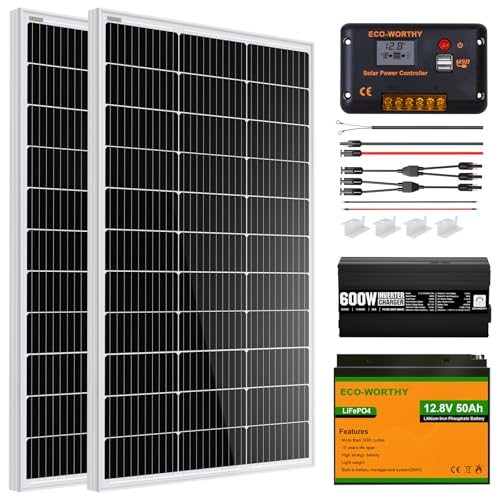
| Best For Beginners | Continuous Power Output: 600W | Input Voltage: 12V DC | Output Voltage: 110V AC | VIEW LATEST PRICE | Read Our Analysis |
| Vansdon 2000W Pure Sine Wave Power Inverter 12V |

| Best Reliability Focus | Continuous Power Output: 2000W | Input Voltage: 12V DC | Output Voltage: 110/120V AC | VIEW LATEST PRICE | Read Our Analysis |
| 3000 Watt Pure Sine Wave Power Inverter 12V DC |

| Best Overall Performance | Continuous Power Output: 3000W | Input Voltage: 12V DC | Output Voltage: 110/120V AC | VIEW LATEST PRICE | Read Our Analysis |
| 1200W Power Inverter DC 12V to AC 120V Solar |

| Budget-Friendly Pick | Continuous Power Output: 1200W | Input Voltage: 12V DC | Output Voltage: 120V AC | VIEW LATEST PRICE | Read Our Analysis |
| 3000W Hybrid Solar Inverter with 80A MPPT Controller |

| Best MPPT Controller | Continuous Power Output: 3000W | Input Voltage: 24V DC | Output Voltage: 110V AC | VIEW LATEST PRICE | Read Our Analysis |
| VEVOR 6000W Hybrid Solar Inverter with MPPT Controller |

| Professional Grade System | Continuous Power Output: 6000W | Input Voltage: 48V DC | Output Voltage: 220/230V AC | VIEW LATEST PRICE | Read Our Analysis |
More Details on Our Top Picks
2000W Solar Power Inverter 12V DC to 120V AC
Looking for a reliable inverter that won’t strain your budget? The 2000W Solar Power Inverter converts 12V DC to 120V AC power, making it ideal for RVs, trucks, and home solar systems. It features three AC outlets and two USB ports for charging multiple devices simultaneously. An LCD display shows your battery status and load capacity in real time. The unit includes comprehensive protections against over-voltage, overload, low-voltage, overcurrent, overtemperature, and short circuits. Its aluminum housing resists drops and damage. A high-performance cooling fan maintains lower operating temperatures, extending the inverter’s lifespan. Install it in well-ventilated, dry areas for optimal performance. Connect the inverter directly to your battery, then plug AC devices into the outlets for portable power anywhere you need it.
- Continuous Power Output:2000W
- Input Voltage:12V DC
- Output Voltage:110-120V AC
- Waveform Type:Not specified
- AC Outlets:3
- Built-in Protection Types:6 (overvoltage, overload, low-voltage, overcurrent, overtemperature, short-circuit)
- Additional Feature:LCD battery status display
- Additional Feature:2 USB charging ports
- Additional Feature:Aluminum housing protection
BELTTT 2000W Pure Sine Wave Power Inverter
Need a reliable inverter for sensitive electronics in your RV, truck, or off-grid setup? The BELTTT 2000W Pure Sine Wave Power Inverter converts 12V DC to 110/120V AC with over 93% efficiency and handles continuous 2000W loads plus 4000W peak surges. Its pure sine wave output protects TVs, home theaters, and other sensitive equipment from damage. You get dual AC sockets, a 20A outlet, USB port, and a 23-foot remote controller for convenient operation. The unit includes multiple safety protections: undervoltage, overvoltage, overload, over-temperature, short circuit, and reverse connection safeguards. An LCD display shows real-time input/output voltages, battery status, and load conditions, helping you monitor system performance continuously.
- Continuous Power Output:2000W
- Input Voltage:12V DC
- Output Voltage:110/120V AC
- Waveform Type:Pure sine wave
- AC Outlets:2 sockets + 1 (20A outlet)
- Built-in Protection Types:6 (undervoltage, overvoltage, overload, overtemperature, short circuit, reverse connection)
- Additional Feature:4000W peak surge capacity
- Additional Feature:>93% conversion efficiency
- Additional Feature:23 ft remote controller
Cantonape 3000W Power Inverter 12V to 110V with Remote
The Cantonape 3000W inverter’s most versatile mid-range design fits users who need reliable AC power for multiple devices simultaneously. You’ll get 3000 watts continuous power with 6000-watt surge capacity, supporting laptops, TVs, fans, and game consoles. The unit includes four AC outlets and four USB ports for charging various electronics. Its modified sine wave output works well for most appliances, though sensitive equipment may need pure sine wave models. You’ll monitor performance through the LCD display showing voltage, battery capacity, load, and frequency. Six built-in protections guard against overload, short circuits, overtemperature, reverse polarity, and voltage irregularities. The included remote controller lets you operate it from a distance, making it practical for vehicles and RV installations.
- Continuous Power Output:3000W
- Input Voltage:12V DC
- Output Voltage:110/120V AC
- Waveform Type:Modified sine wave
- AC Outlets:4
- Built-in Protection Types:6 (overload, short circuit, overtemperature, reverse polarity, under/over voltage)
- Additional Feature:6000W surge power
- Additional Feature:4 USB ports included
- Additional Feature:Remote controller included
SUMRY Solar Inverter Charger 3600W DC to AC Converter
Want a single device that handles solar charging, battery storage, and power conversion simultaneously? The SUMRY 3600W hybrid inverter combines a 120A MPPT solar charge controller with a 100A AC battery charger in one unit. You’ll convert 24V DC from your battery bank to 110V AC power while simultaneously harvesting solar energy through its 60V–500VDC input range. The pure sine wave output supports household appliances and sensitive equipment. You can configure charging priorities to favor solar panels, battery storage, or utility power based on your needs. Built-in protections guard against overload, overheating, and short circuits. An LCD display shows real-time operating status and input/output data. Without batteries, your system runs directly from solar power when PV voltage exceeds 120V.
- Continuous Power Output:3600W
- Input Voltage:24V DC
- Output Voltage:110/120V AC
- Waveform Type:Pure sine wave
- AC Outlets:Not specified
- Built-in Protection Types:4 (overload, overheating, overcurrent, short circuit)
- Additional Feature:120A MPPT solar controller
- Additional Feature:100A AC battery charger
- Additional Feature:Operates without battery option
4000W Power Inverter 12V DC to 110V AC Converter
Looking for heavy-duty power conversion that handles demanding AC appliances during outages? This 4000W inverter converts 12V DC to 110V/120V AC with >90% efficiency and peak power of 8000W. You get four AC outlets, two USB ports, and Type-C connectivity. The LCD display shows input/output voltage and protection status, while remote control operates from 120 feet away. Six protection layers guard against undervoltage, overvoltage, overload, overheating, short circuits, and reverse connections. Dual cooling fans maintain safe temperatures. The aviation aluminum shell resists harsh conditions. Install battery cables securely, verify your appliance wattage requirements, then power on. This unit suits RVs, solar systems, emergency backup, and off-grid applications.
- Continuous Power Output:4000W
- Input Voltage:12V DC
- Output Voltage:110/120V AC
- Waveform Type:Not specified
- AC Outlets:4
- Built-in Protection Types:6 (undervoltage, overvoltage, overload, overheating, short circuit, reverse connection)
- Additional Feature:8000W peak power
- Additional Feature:120 ft remote control
- Additional Feature:Type-C USB port
ECO-WORTHY 200W Solar Panel Starter Kit with Battery
ECO-WORTHY’s 200W starter kit opens solar power to newcomers by bundling everything you need—solar panels, battery, charge controller, and inverter—in one package. The 600W Pure Sine Wave inverter converts DC power to AC current with over 92% efficiency, handling 600W continuous output and 1200W peak surge. Its 50Ah lithium battery recharges 4,000–15,000 times, outlasting lead-acid alternatives by tenfold. The monocrystalline panels generate 800Wh daily under four hours of sunlight. With IP65 waterproofing and aluminum framing, the system withstands harsh weather. Installation includes all connection accessories, making setup straightforward for RVs, cabins, and boats.
- Continuous Power Output:600W
- Input Voltage:12V DC
- Output Voltage:110V AC
- Waveform Type:Pure sine wave
- AC Outlets:Not specified
- Built-in Protection Types:Not specified
- Additional Feature:Complete kit with battery
- Additional Feature:LiFePO4 battery included
- Additional Feature:4000-15000 charge cycles
Vansdon 2000W Pure Sine Wave Power Inverter 12V
The Vansdon 2000W inverter prioritizes reliability through its 7-layer circuit protection system, making it the dependable choice if you’re powering sensitive electronics in off-grid or backup power setups. You’ll receive regulated AC output between 115–120V, protecting devices like CPAPs, laptops, and mini fridges from voltage fluctuations. The unit delivers 2000W continuous power with 4000W surge capacity, letting you run a 700W microwave and 150W electric skillet simultaneously. Its three AC outlets plus hardwired terminal accommodate various tools and appliances. The dual cooling system with smart fans activates automatically when temperatures exceed 140°F or load reaches 35%, ensuring stable performance. You’ll benefit from the included 22.9-foot wired remote with LCD display for voltage and power monitoring, plus premium 2AWG battery cables and a 3-year warranty with 24-hour email support.
- Continuous Power Output:2000W
- Input Voltage:12V DC
- Output Voltage:110/120V AC
- Waveform Type:Pure sine wave
- AC Outlets:3 + 1 hardwired terminal
- Built-in Protection Types:7-layer (over/under voltage, overload, short circuit, overtemp, reverse polarity)
- Additional Feature:30W USB-C fast-charge
- Additional Feature:7-layer circuit protections
- Additional Feature:3-Year total warranty
3000 Watt Pure Sine Wave Power Inverter 12V DC
Need reliable AC power for your RV, home backup, or off-grid solar setup? This 3000-watt inverter converts 12V DC battery power to 110/120V AC electricity. It handles 6000 watts during startup surges, making it suitable for high-demand appliances like refrigerators, window ACs, and home theater systems. The pure sine wave output protects sensitive electronics from damage. You get three AC outlets plus a hardwired terminal for permanent installation. A 15-foot remote controller with LED display lets you monitor battery levels and power output in real time. The unit includes two heavy-duty copper battery cables, a full metal housing for durability, and comprehensive protections against undervoltage, overvoltage, overload, and short circuits. A three-year warranty covers replacements and extended support.
- Continuous Power Output:3000W
- Input Voltage:12V DC
- Output Voltage:110/120V AC
- Waveform Type:Pure sine wave
- AC Outlets:3 + 1 hardwired terminal
- Built-in Protection Types:6 (undervoltage, overvoltage, overload, overheating, short circuit, reverse connection)
- Additional Feature:30W USB-C PD port
- Additional Feature:15 ft wired remote
- Additional Feature:3-Year total coverage
1200W Power Inverter DC 12V to AC 120V Solar
Giandel’s 1200W inverter serves as the budget-friendly pick for RV owners, campers, and boat users who need reliable power conversion without overspending. It delivers 2400W peak power through two AC outlets and one USB port. The integrated 20A solar charge controller accepts input from 300W solar panels, charging SLA or GEL batteries directly. You’ll monitor charging status via the battery voltage indicator and toggle solar charging with a selectable switch. Protection features include overvoltage, low voltage, overload, short circuit, and overheating safeguards. The unit includes a remote controller, operates with isolated input/output design, and features soft start technology. Its durable aluminum housing withstands drops, and an 18-month warranty backs your purchase.
- Continuous Power Output:1200W
- Input Voltage:12V DC
- Output Voltage:120V AC
- Waveform Type:Not specified
- AC Outlets:2
- Built-in Protection Types:5 (overvoltage, low voltage, overload, short circuit, overheating)
- Additional Feature:20A solar charge controller
- Additional Feature:Soft start technology
- Additional Feature:18-month warranty included
3000W Hybrid Solar Inverter with 80A MPPT Controller
Looking for reliable power conversion in remote locations? This 3000W hybrid inverter converts DC 24V to pure sine wave AC 110V, delivering 3,000W continuous and 6,000W peak power. Its built-in 100A MPPT solar charging controller boosts efficiency by up to 30% and handles PV arrays up to 500VDC. You’ll monitor real-time power input, output, and battery status through the smart LCD screen. The unit supports 24V AGM, GEL, lead-acid, Li-ion, and LiFePO4 batteries with integrated protections against overvoltage, undervoltage, and reverse polarity. Its durable aluminum casing suits RVs, homes, and cabins. Configure charging current and voltage thresholds via control buttons for essential appliances like refrigerators and AC units.
- Continuous Power Output:3000W
- Input Voltage:24V DC
- Output Voltage:110V AC
- Waveform Type:Pure sine wave
- AC Outlets:Not specified
- Built-in Protection Types:6 (overvoltage, undervoltage, reverse polarity, short circuits)
- Additional Feature:100A MPPT solar charging
- Additional Feature:500VDC maximum input voltage
- Additional Feature:24V battery compatibility
VEVOR 6000W Hybrid Solar Inverter with MPPT Controller
The VEVOR 6000W Hybrid Solar Inverter delivers professional-grade system performance for off-grid solar installations. This 2-in-1 unit combines a pure sine wave inverter and MPPT solar controller in one device. You’ll get 6000W AC output at 220/230V with up to 120A battery charging capacity. The inverter accepts solar input from 60V to 500V and achieves 94% conversion efficiency. You can switch between three charging modes using onboard buttons: Solar Only, Mains Only, or Solar & Mains hybrid operation. It supports 48V lithium, lead-acid, and custom batteries. Built-in WiFi monitoring tracks performance every five minutes. Comprehensive protection systems guard against overload, short circuit, and voltage fluctuations, ensuring reliable operation in remote locations.
- Continuous Power Output:6000W
- Input Voltage:48V DC
- Output Voltage:220/230V AC
- Waveform Type:Pure sine wave
- AC Outlets:Not specified
- Built-in Protection Types:6 (over-temperature, overcurrent, overvoltage, undervoltage, short circuit, overload)
- Additional Feature:6500W maximum solar input
- Additional Feature:Built-in WiFi remote monitoring
- Additional Feature:48V battery system design
Factors to Consider When Choosing an Inverter for a Solar Power System
When you’re selecting an inverter for your solar power system, you’ll need to evaluate five key factors: power rating and capacity (matching your system’s total wattage needs), waveform type selection (choosing between pure sine wave for sensitive electronics and modified sine wave for basic appliances), battery compatibility requirements (ensuring the inverter works with your specific battery type and voltage), protection and safety features (looking for overcurrent protection, thermal shutdowns, and surge protection), and efficiency and conversion loss (aiming for models that convert DC power to AC power with minimal energy waste). Each factor directly affects how well your inverter performs, how long your equipment lasts, and how much electricity you actually get from your panels. Start by calculating your total power demand, then work through each consideration to narrow down models that meet all your system’s requirements.
Power Rating and Capacity
One of your most critical decisions when selecting an inverter involves matching its power rating to your actual energy needs. Start by calculating your total continuous wattage by listing all devices you’ll run simultaneously and adding their power requirements. Next, identify peak surge demands—motors and appliances like microwaves require 2–3 times their running wattage during startup. Choose an inverter with continuous power exceeding your combined load plus 20% headroom for future additions. For example, if your devices need 2000W continuously with 4000W surge peaks, select a 2000W continuous/4000W surge inverter. Finally, verify the inverter’s AC output voltage (120V) and waveform type (pure sine recommended) match your equipment’s requirements to prevent malfunction or damage.
Waveform Type Selection
What’s the difference between pure sine wave and modified sine wave inverters, and why does it matter for your solar system? Pure sine wave inverters produce smooth, grid-quality power that works with all devices. Modified sine wave inverters cost less but may cause flickering, humming, or equipment failure in sensitive electronics. Choose pure sine wave if you’re powering TVs, laptops, or audio-visual equipment. Select modified sine wave only for simple loads like basic lighting or tools. Check the inverter’s THD (total harmonic distortion) rating—lower values indicate better power quality. Consider your loads’ compatibility: inductive devices like motors and pumps perform more efficiently with pure sine wave output. Evaluate your budget against your equipment’s sensitivity requirements to determine the best option for your system.
Battery Compatibility Requirements
How does your inverter connect to your battery bank? You must match your inverter’s voltage rating—12V, 24V, or 48V—to your battery system. Next, verify the inverter supports your battery chemistry: lithium iron phosphate (LiFePO4), lithium-ion, or lead-acid each require different charging profiles. Check the maximum battery current rating in amps to prevent overloading your batteries during charging cycles. Review the inverter’s voltage range specifications to ensure compatibility with your battery’s state-of-charge behavior. Confirm protection features exist: over-voltage, under-voltage, and reverse polarity protection safeguard both components. Finally, determine whether the inverter operates independently during high solar production or requires a connected battery. This systematic approach ensures reliable performance and extends your battery’s lifespan.
Protection and Safety Features
When you’re selecting an inverter, shouldn’t the safety mechanisms protecting both your equipment and home rank among your top priorities? Look for multiple protections including over-voltage, under-voltage, overload, over-temperature, short circuit, and reverse connection safeguards. These features defend your inverter and connected devices from damage. Check that your inverter includes automatic shutdown capabilities and fault codes (such as E-1 through E-6) to help you quickly diagnose problems when abnormal conditions occur. Verify the unit has adequate cooling through fans or heat sinks and a durable enclosure to prevent overheating during operation. Confirm the inverter handles your specific load type—whether inductive or capacitive—and includes soft-start technology to reduce stress on motors and compressors. Finally, ensure reverse polarity protection and safe isolation between input and output connections exist.
Efficiency and Conversion Loss
Efficiency directly determines how much solar power your inverter actually converts into usable electricity for your home or off-grid system. Look for inverters rated between 90% and 95% efficiency—higher percentages mean less energy wasted as heat. Check the manufacturer’s efficiency rating across different load conditions, since performance varies at partial loads common in off-grid setups. Examine how efficiency changes with input voltage and temperature, as both factors reduce conversion performance. Higher efficiency inverters minimize no-load losses and reduce the battery capacity you’ll need to support your loads. Compare conversion loss specifications between models by reviewing hardware details: transformer design, switching technology, and cooling systems directly impact both efficiency and heat generation. Prioritize efficiency ratings when selecting your inverter to maximize usable output from your solar panels.
Final Thoughts
You’ll choose the right inverter by matching wattage to your peak loads, selecting pure sine wave output for sensitive electronics, and confirming battery compatibility with your system voltage. Verify continuous power ratings over surge capacity, check for MPPT charging if you’re grid-independent, and prioritize models with remote monitoring. Factor in your climate’s temperature demands and future expansion needs before purchasing.

Meet Ry, “TechGuru,” a 36-year-old technology enthusiast with a deep passion for tech innovations. With extensive experience, he specializes in gaming hardware and software, and has expertise in gadgets, custom PCs, and audio.
Besides writing about tech and reviewing new products, he enjoys traveling, hiking, and photography. Committed to keeping up with the latest industry trends, he aims to guide readers in making informed tech decisions.