
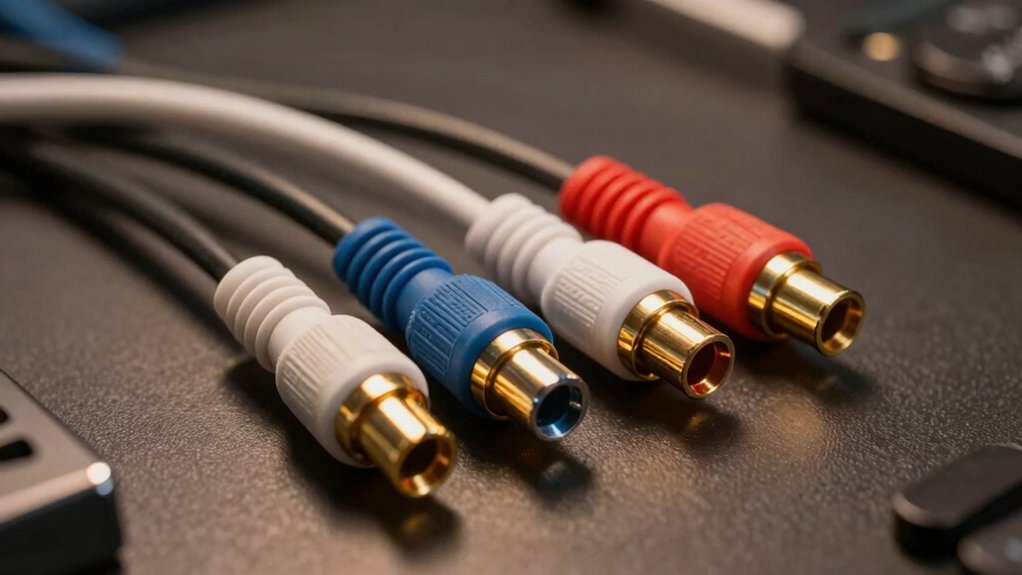

When you’re setting up ham radio equipment, you’ll need coax cables that match your specific deployment needs. You can choose from RG58 for flexible mobile runs, RG8x for low-loss short links, or longer 49.2-foot options for extended installations. Each cable type offers different advantages in shielding, connector durability, and impedance stability. The right selection depends on your application—but understanding what separates quality cables from inadequate ones requires knowing what factors matter most.
| Ham Radio Coax Cable 50 Ohm RG58 49.2Ft |

| Most Versatile | Impedance: 50 Ohm | Cable Type: RG58 | Connector Type: PL259 Male to Male with 4-pack adapters (SMA/BNC/SO239) | VIEW LATEST PRICE | Read Our Analysis |
| RG8x Coaxial Cable 50ft UHF PL259 Male |

| Best Performance | Impedance: 50 Ohm | Cable Type: RG8X | Connector Type: UHF PL259 Male to Male | VIEW LATEST PRICE | Read Our Analysis |
| MOOKEERF RG8x Jumper Cable PL259 CB Coax (2-Pack) |

| Best Compact Option | Impedance: 50 Ohm | Cable Type: RG8X | Connector Type: UHF PL259 Male to Male | VIEW LATEST PRICE | Read Our Analysis |
| RG58 Coaxial Cable 49.2ft UHF PL259 Male |

| Best Flexibility | Impedance: 50 Ohm | Cable Type: RG58 | Connector Type: PL259 to PL259 | VIEW LATEST PRICE | Read Our Analysis |
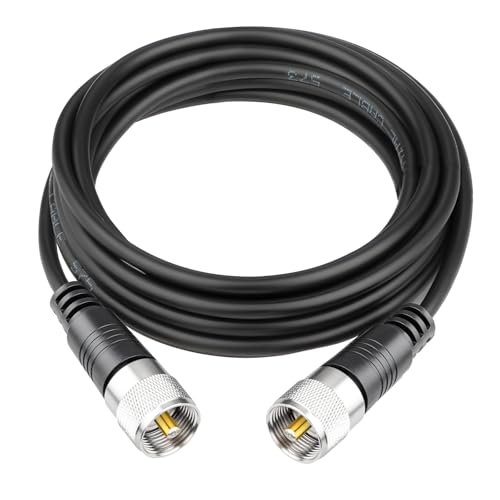
| RG58 Coax Cable 10ft PL 259 UHF Male |
| Budget-Friendly Pick | Impedance: 50 Ohm | Cable Type: RG58 | Connector Type: PL259 UHF Male to Male | VIEW LATEST PRICE | Read Our Analysis |
More Details on Our Top Picks
Ham Radio Coax Cable 50 Ohm RG58 49.2Ft
Looking for a coax cable that’ll handle multiple radio setups? This RG58 cable delivers 49.2 feet of solid copper core construction with tinned copper braid shielding, minimizing signal loss across CB, amateur, and two-way radio applications. You’ll receive four UHF SO239 adapters compatible with SMA, BNC, and UHF connectors, expanding your connectivity options considerably. The reinforced crimping prevents detachment during handling, while the extended 6-centimeter heat shrink tubing provides durability. Salt spray testing confirms corrosion resistance for extended use. Whether you’re setting up field operations, installing antenna systems, or connecting SWR meters, this cable’s low-loss design ensures reliable performance without compromising signal integrity across your equipment.
- Impedance:50 Ohm
- Cable Type:RG58
- Connector Type:PL259 Male to Male with 4-pack adapters (SMA/BNC/SO239)
- Length:49.2 feet
- Frequency Range:Suitable for radio applications with minimal signal loss
- Shielding:Tinned copper braid with aluminum foil
- Additional Feature:Four adapter connectors included
- Additional Feature:6cm heat shrink durability
- Additional Feature:Salt spray corrosion tested
RG8x Coaxial Cable 50ft UHF PL259 Male
The RG8x delivers superior performance for ham radio operators who demand reliability in high-powered applications. You’ll benefit from its 17 AWG pure copper inner conductor and double shielding, which reduces signal loss and interference compared to RG58 cable. The fully molded nickel-plated brass UHF PL259 connectors with gold-plated center pins support frequencies up to 300 MHz. Install this 50-foot cable in your CB radio, antenna analyzer, or ham transceiver system. The flexible PVC jacket withstands indoor and outdoor conditions. Use this 50-ohm cable for optimal performance in your ham radio setup.
- Impedance:50 Ohm
- Cable Type:RG8X
- Connector Type:UHF PL259 Male to Male
- Length:50 feet
- Frequency Range:Up to 300 MHz
- Shielding:Double shielding (pure copper)
- Additional Feature:17 AWG thicker conductor
- Additional Feature:Gold-plated center pins
- Additional Feature:Nickel-plated brass connectors
MOOKEERF RG8x Jumper Cable PL259 CB Coax (2-Pack)
Need a compact coax solution that won’t sacrifice performance? The MOOKEERF RG8x Jumper Cable delivers ultra-low loss transmission with >95% shielding, making it ideal for CB radio, HAM radio, and VHF setups. Each 3-foot cable features solid copper inner conductors and tinned copper braid shielding, rated for 500 MHz frequency use. The waterproof PVC jacket handles outdoor conditions reliably. You’ll receive two cables per pack, each equipped with PL259 male connectors and heat-shrink junctions for secure connections. Install these between your antenna and radio equipment to minimize signal degradation across distances while maintaining signal integrity in interference-prone environments.
- Impedance:50 Ohm
- Cable Type:RG8X
- Connector Type:UHF PL259 Male to Male
- Length:3 feet (2-pack)
- Frequency Range:500 MHz
- Shielding:Aluminum foil + tinned copper braid (>95% shield performance)
- Additional Feature:>95% shield performance
- Additional Feature:2.2cm heat shrink junction
- Additional Feature:Two cables per pack
RG58 Coaxial Cable 49.2ft UHF PL259 Male
Are you installing ham radio equipment in a vehicle or tight space where standard cables won’t fit? The RG58 Coaxial Cable 49.2ft offers a practical solution. Its 0.195-inch diameter makes it more flexible than RG8, allowing you to route it through window frames and tight conduits without signal loss. The cable features bare copper shielding for superior interference rejection and includes reinforced 6cm strain relief at the UHF Male PL259 connector. Designed for HF/VHF bands and CB radio at 27MHz, this 50-ohm coax maintains low-loss performance across 1-300MHz frequencies. Use it to connect transceivers to antennas or SWR meters in mobile setups, RVs, or field deployments where flexibility matters.
- Impedance:50 Ohm
- Cable Type:RG58
- Connector Type:PL259 to PL259
- Length:49.2 feet (15 meters)
- Frequency Range:1-300 MHz
- Shielding:Bare copper braided shield
- Additional Feature:0.195-inch ultra-flexible diameter
- Additional Feature:Bare copper braided shield
- Additional Feature:6cm strain relief tubing
RG58 Coax Cable 10ft PL 259 UHF Male
RFAdapter’s RG58 coax cable offers ham radio operators a budget-friendly pick for connecting CB and HF amateur radio equipment. This 10-foot jumper features 50-ohm low-loss construction with tinned copper inner conductors and aluminum braid shielding that provides over 95% coverage. The male-to-male PL259 UHF connectors install directly into your antenna, SWR meter, tuner, or dummy load without additional adapters. Testing confirms no SWR rise or static interference when bridging devices. The cable suits both indoor and outdoor use, making it practical for vehicle installations in Jeeps, trucks, and campers. At 4.6 stars from over 1,000 reviews, this model delivers reliable performance for amateur radio operators seeking affordable coaxial solutions.
- Impedance:50 Ohm
- Cable Type:RG58
- Connector Type:PL259 UHF Male to Male
- Length:10 feet
- Frequency Range:Suitable for HF/VHF (no specific upper limit stated)
- Shielding:Aluminum braid (96% coverage)
- Additional Feature:96% shield coverage braid
- Additional Feature:No observable SWR rise
- Additional Feature:Tinned copper inner conductor
Factors to Consider When Choosing Coax Cables for Ham Radio
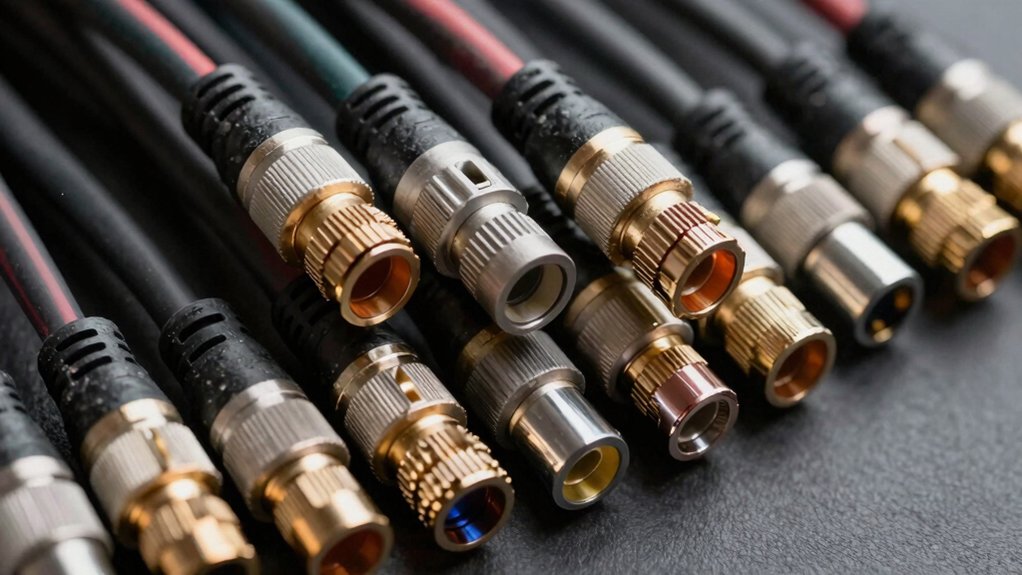
When selecting a coax cable for your ham radio setup, you’ll need to evaluate five key factors: determine your cable length requirements based on your antenna distance from the radio, confirm that connectors match your equipment (such as PL-259 or N-type), assess signal loss specifications at your operating frequency, verify the shielding quality to prevent interference, and choose durability features suited to your environment (indoor, outdoor, or mobile). Each factor directly impacts your radio’s performance and the longevity of your installation. Start by measuring your distance needs, then cross-reference connector compatibility, signal loss ratings, shielding effectiveness, and environmental conditions to narrow your cable options.
Cable Length Requirements
How much coax cable you need depends on your specific setup, and choosing the right length is essential for maintaining signal quality and accurate readings on your equipment. Shorter runs minimize signal loss and SWR variations, so use only what’s necessary for your installation. For jumpers and connection cables, keep lengths between 3 and 10 feet to reduce loss and maintain stable readings. Mobile installations benefit from flexible cables like RG58 that navigate tight spaces without sharp bends. Longer cable runs require low-loss options like RG8x instead of RG58. Match your cable length to your equipment’s measurement range—SWR meters, tuners, and analyzers all perform better with appropriate lengths that prevent excessive line loss from skewing results.
Connector Type Compatibility
Once you’ve determined your cable length, you’ll need to match your connectors to your equipment’s interfaces to avoid compatibility problems down the line. Common ham radio connectors include PL259/UHF, SMA, and BNC types. Check your transceiver, antenna, and analyzer specifications to identify which connectors you need. Verify that you’re selecting the correct gender configuration—whether male-to-male, male-to-female, or female-to-female connections. Mismatched connectors force you to use adapters, which introduce signal loss and potential failure points. Select cables with impedance ratings matching your system, typically 50 ohms for ham radio equipment. This direct connector compatibility ensures reliable signal transmission, reduces maintenance issues, and eliminates unnecessary adapters that degrade performance.
Signal Loss Performance
What’s the real difference between cable types when it comes to signal loss? RG58 cables work adequately for VHF, but RG8x outperforms them with a thicker 17 AWG conductor and double shielding that reduces attenuation. For your setup, choose RG8x when running longer distances or higher power. Cable length directly impacts loss—a 3-foot jumper loses less signal than a 50-foot run, especially at higher frequencies. Minimize total cable length where possible. Shielding quality matters too; solid copper braid and aluminum foil protect against EMI and RFI that degrade signals in mobile or cluttered environments. Finally, secure connectors with heat shrink to prevent intermittent losses from stress or detachment. These steps ensure consistent signal transmission.
Shielding And Protection
Beyond managing cable length and connector security, you’ll need to evaluate shielding quality to protect your signal from electromagnetic and radio frequency interference. Choose cables with shielding percentages exceeding 95% to minimize EMI/RFI leakage and maintain signal integrity across HF/VHF/UHF frequencies. Double-shielded designs—featuring an inner conductor, braided shield, and foil layer—outperform single-shield options by blocking both signal leakage and external interference more effectively. Verify the shield uses pure copper rather than CCA, as copper delivers superior conductivity and corrosion resistance for long-term reliability. Additionally, select cables with full enclosure and robust connectors that include strain relief to prevent shield damage from bending or pulling during field deployment. Weatherproof jackets with strong seals preserve shielding integrity in outdoor or mobile environments.
Durability For Environment
How do you keep your coax cables performing reliably when they’re exposed to rain, UV rays, temperature swings, and constant handling? Start by selecting cables with low-loss solid copper cores and heavy insulation that withstand outdoor temperature variations. Next, choose waterproof or weatherproof jackets and connectors specifically rated for outdoor use to prevent moisture from entering the cable. Additionally, inspect connectors for corrosion resistance—pure copper shielding outperforms CCA alternatives in harsh environments. Then, examine strain relief features; reinforced designs with extended heat-shrink lengths (around 6 centimeters) reduce connector detachment during bending and pulling. Finally, verify that your UHF connectors (PL259, SMA, or BNC assemblies) handle repeated connect/disconnect cycles without performance degradation, ensuring long-term reliability in field conditions.
Frequency Rating Specifications
When you’re selecting a coax cable for ham radio use, the frequency rating tells you the maximum operating frequency the cable and connectors can handle without introducing excessive signal loss or impedance shifts. RG58 cables work well for HF and VHF applications but lose performance at higher frequencies. RG8x offers better results for higher-frequency or high-power operations due to thicker conductors and superior shielding. Check your cable’s specific frequency ceiling—UHF PL259 connectors typically support up to 300 MHz, which guides suitability for CB, VHF, or mixed-band setups. Match your cable’s frequency rating to your equipment’s operating range. When using analyzers, tuners, or SWR meters, alignment prevents measurement inaccuracies and excessive RF exposure.
Impedance And Matching
While frequency ratings tell you what bands your cable can handle, impedance matching determines how efficiently your signal travels from your transceiver to your antenna. You’ll want 50-ohm coax cables—the standard for ham radio equipment—to ensure minimal reflections and maximum power transfer. Mismatched impedance increases SWR, which stresses your equipment and causes signal loss. Common 50-ohm cables like RG58 and RG8X work well for VHF/UHF operations. When selecting cable, verify that adapters, connectors, and jumpers also maintain 50-ohm impedance. Check each component’s specifications before connecting them. Consistent impedance throughout your entire feedline system—from transceiver through cable to antenna—prevents reflections and keeps your signal strong and efficient.
Final Thoughts
You’ll select the right coax cable by matching your needs to cable type and length. For mobile setups, choose RG58 in 49.2 ft lengths for extended runs. For shorter connections between devices, pick RG58 or RG8x jumpers under 10 ft to minimize signal loss. Verify connectors are nickel-plated PL259 for durability. Double-check impedance at 50 ohms. Install cables away from sharp edges and moisture to ensure reliable performance across HF, VHF, and CB frequencies.

Meet Ry, “TechGuru,” a 36-year-old technology enthusiast with a deep passion for tech innovations. With extensive experience, he specializes in gaming hardware and software, and has expertise in gadgets, custom PCs, and audio.
Besides writing about tech and reviewing new products, he enjoys traveling, hiking, and photography. Committed to keeping up with the latest industry trends, he aims to guide readers in making informed tech decisions.