

You’ll find that picking up every FM station depends on selecting the right antenna type and placement strategy. Dipole, telescopic, and magnetic-base models offer different advantages for various setups. Your receiver’s impedance requirements—either 75-ohm or 300-ohm—determine which antenna works best. Proper positioning near windows and away from interference makes a significant difference in signal strength. But which antenna model actually delivers the clearest reception in your specific situation?
| Bingfu FM Radio Dipole Antenna for Stereo Receiver |

| Best For Receivers | Impedance: 75 Ohms | Antenna Type: Dipole with adhesive mounting | Connector Type: F-type plug with adapter set | VIEW LATEST PRICE | Read Our Analysis |
| Ancable Indoor FM Telescopic Antenna with F Type Connector |

| Best Overall | Impedance: 75 Ohms | Antenna Type: Telescopic | Connector Type: F-type male with adapters | VIEW LATEST PRICE | Read Our Analysis |
| FM Telescopic Antenna 75 Ohm with F Type Connector |

| Budget-Friendly Pick | Impedance: 75 Ohms | Antenna Type: Telescopic | Connector Type: F-type male | VIEW LATEST PRICE | Read Our Analysis |
| Ancable 300 Ohm FM Antenna T Shape Dipole Radio |
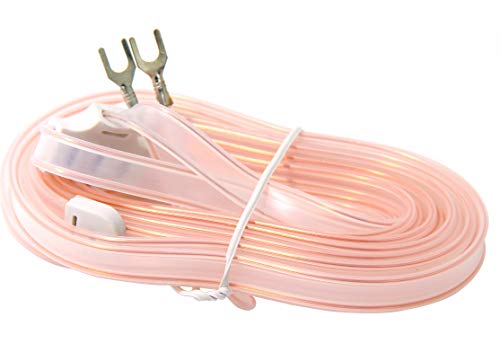
| Vintage Tuner Specialist | Impedance: 300 Ohms | Antenna Type: T-shape dipole | Connector Type: Spade terminal | VIEW LATEST PRICE | Read Our Analysis |
| Bingfu Strong Magnetic Base FM Radio Antenna |

| Most Versatile | Impedance: 75 Ohms | Antenna Type: Telescopic with magnetic base | Connector Type: F-type male with adapter set | VIEW LATEST PRICE | Read Our Analysis |
| FM Radio Antenna 75 Ohm with Multiple Connectors |

| Dual-Band Solution | Impedance: 75 Ohms (FM); 2-pin bare wire (AM) | Antenna Type: Coax (FM) and loop (AM) | Connector Type: F-type male (FM); 2-pin bare wire (AM) | VIEW LATEST PRICE | Read Our Analysis |
| Antop High Gain Indoor Radio Antenna with Amplifier |
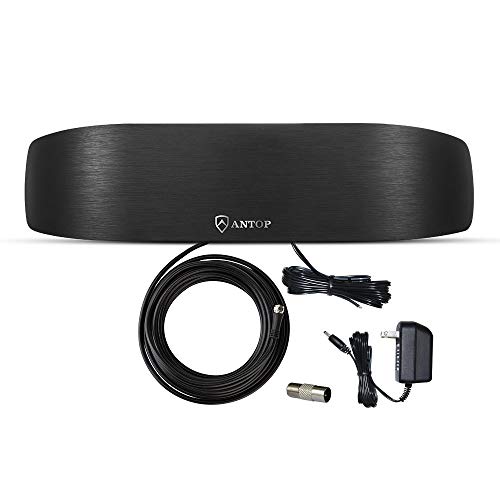
| Amplified Performance | Impedance: Unspecified | Antenna Type: Multi-directional with amplifier | Connector Type: F-female (FM); spring clip (AM) | VIEW LATEST PRICE | Read Our Analysis |
| Bingfu FM Dipole Antenna 300 Ohm with Twin Lead |
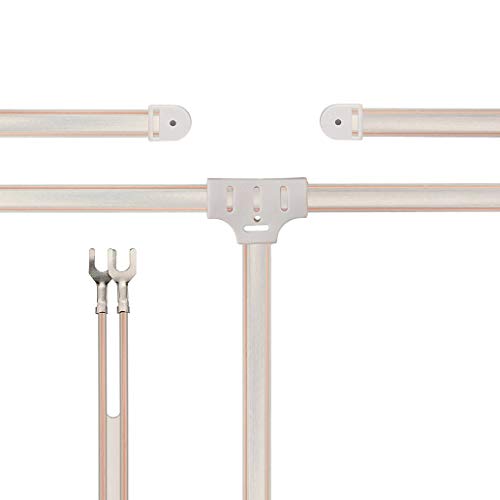
| Alternative Connector Option | Impedance: 300 Ohms | Antenna Type: T-shape dipole | Connector Type: 2-pin bare wire | VIEW LATEST PRICE | Read Our Analysis |
| Eightwood Car Stereo FM Radio Antenna with DIN Adapter |

| Car Audio Pick | Impedance: 75 Ohms | Antenna Type: Hidden windshield adhesive patch | Connector Type: DIN male with ISO adapter | VIEW LATEST PRICE | Read Our Analysis |
More Details on Our Top Picks
Bingfu FM Radio Dipole Antenna for Stereo Receiver
Looking for a straightforward antenna that works with your existing home audio system? The Bingfu FM Radio Dipole Antenna connects to Pioneer, Onkyo, Yamaha, Marantz, and Bose receivers using its included adapter set. The antenna features a 75-ohm F-type plug connector, a 10-foot coaxial cable, and adhesive wall mounting. Setup requires selecting the correct adapter—TV female socket, 3.5mm audio plug, or TV male plug—then securing all connections to prevent signal loss. Position the antenna near a window and away from electronic devices for optimal FM stereo reception. Tighten connectors firmly and power-cycle your receiver to clear interference. The antenna’s performance depends on installation location, terrain, and nearby buildings, so adjust placement as needed.
- Impedance:75 Ohms
- Antenna Type:Dipole with adhesive mounting
- Connector Type:F-type plug with adapter set
- Cable Length:10 feet / 3 meters
- Installation Method:Adhesive wall mounting
- Compatible Radio Types:Pioneer, Onkyo, Yamaha, Marantz, Bose Wave, home stereo receivers
- Additional Feature:Adhesive wall mounting design
- Additional Feature:Includes three connector adapters
- Additional Feature:10 feet coaxial extension cable
Ancable Indoor FM Telescopic Antenna with F Type Connector
Replace only the word “ensure” with contextually relevant alternatives, and present the resulting text:
If you’re using a tabletop radio or stereo receiver that needs better FM reception without wall-mounted solutions, the Ancable Indoor FM Telescopic Antenna delivers extended range through its ten-section telescopic design. The antenna’s brass copper construction and 75-ohm impedance ensure reliable signal pickup across the full FM channel range. Installation is straightforward: simply plug the F-type male connector into your device’s antenna socket or use one of the included adapters (PAL male, PAL female, or 3.5mm) for compatibility with various receivers. You can extend the telescope sections as needed to optimize reception in weak signal areas. This antenna works with most major brands including Yamaha, Sony, Pioneer, and Denon models. Ancable backs the antenna with a 12-month warranty and offers customer support during setup if you encounter issues.
- Impedance:75 Ohms
- Antenna Type:Telescopic
- Connector Type:F-type male with adapters
- Cable Length:Not specified
- Installation Method:Plug or screw into antenna socket
- Compatible Radio Types:Bose Wave, Sangean, Cambridge Audio, Pure Evoke, Tivoli, Denon, Roberts, Sony, Marantz, Yamaha, Hitachi
- Additional Feature:10 extension sections telescopic
- Additional Feature:Brass copper heavy-duty construction
- Additional Feature:12-month warranty included
FM Telescopic Antenna 75 Ohm with F Type Connector
Need a straightforward antenna solution that works with most home stereo receivers? This 75 Ohm FM antenna delivers reliable performance through its F-Type male connector. You’ll receive five units, each extending from 5.3 to 20 centimeters when fully telescoped. Install the antenna by screwing or plugging it directly into your receiver’s antenna socket. The compact design works in homes, garages, basements, attics, and offices. You’ll experience stronger signal reception and access more FM channels and stations with improved stability. The antenna’s 75 Ohm impedance matches standard AM/FM radio equipment, making it compatible with most stereo receivers without requiring additional adapters or modifications.
- Impedance:75 Ohms
- Antenna Type:Telescopic
- Connector Type:F-type male
- Cable Length:Not specified
- Installation Method:Screw or plug into antenna socket
- Compatible Radio Types:AM/FM stereo receivers (general)
- Additional Feature:Five piece converter included
- Additional Feature:Extends to 51 cm length
- Additional Feature:Portable multi-location use
Ancable 300 Ohm FM Antenna T Shape Dipole Radio
The Ancable 300 Ohm FM Antenna is your best choice if you’re upgrading an older stereo receiver or tuner from brands like Yamaha, Sharp, JVC, Denon, or Marantz. This T-shaped dipole antenna features a 5.9-foot coax cable that delivers improved reception compared to built-in options. Before purchasing, confirm your receiver has a clip or terminal FM socket that accepts spade terminals. Installation takes minutes: plug the antenna into your FM socket and stretch the antenna ends away from your device for optimal signal pickup. Position it on your tabletop, shelf, or wall mount in your home, office, or garage. The 300-ohm impedance rating ensures compatibility with most vintage stereo equipment. Amazon’s 30-day return guarantee protects your purchase if it doesn’t meet your needs.
- Impedance:300 Ohms
- Antenna Type:T-shape dipole
- Connector Type:Spade terminal
- Cable Length:5.9 feet
- Installation Method:Clip or terminal FM socket
- Compatible Radio Types:Yamaha, Sharp, JVC, Denon, Marantz, vintage stereo tuners
- Additional Feature:T-shape dipole design
- Additional Feature:5.9 feet coax antenna cable
- Additional Feature:Spade terminal connector type
Bingfu Strong Magnetic Base FM Radio Antenna
Looking to upgrade an older stereo receiver or tuner that’s struggling with weak FM signals? The Bingfu Strong Magnetic Base FM Radio Antenna offers a practical solution with its magnetic mount and 10-foot coaxial cable. The antenna includes three connector adapters—3.5mm audio plug, TV female socket, and TV male plug—ensuring compatibility with Pioneer, Onkyo, Yamaha, Marantz, and Sherwood receivers. Its 75-ohm impedance matches standard radio equipment. For optimal reception, position the antenna vertically on a metal surface. The telescopic design allows you to adjust length based on signal strength in your location. This setup works well for indoor use without requiring professional installation.
- Impedance:75 Ohms
- Antenna Type:Telescopic with magnetic base
- Connector Type:F-type male with adapter set
- Cable Length:10 feet / 3 meters
- Installation Method:Vertical placement on metal surface
- Compatible Radio Types:Pioneer, Onkyo, Yamaha, Marantz, Sherwood, home stereo receivers
- Additional Feature:Strong magnetic base mount
- Additional Feature:Vertical placement improves signal
- Additional Feature:Three connector adapters included
FM Radio Antenna 75 Ohm with Multiple Connectors
If you’re working with home stereo receivers that need both FM and AM reception without buying separate antennas, the AEDIKO FM Radio Antenna 75 Ohm with Multiple Connectors combines both in one compact unit. The FM coax antenna features 75 Ohm impedance with an F-Type Male connector, while the AM loop antenna uses a 2-pin bare wire design. At 4.9 feet long, the FM cable extends sufficient distance for optimal signal reception. Installation involves inserting the F-Type connector into your receiver’s antenna port and positioning the fold-out AM loop base for stability. This antenna works with most standard home stereo and AV receivers. The product comes with a one-year warranty and includes a 30-day return guarantee through Amazon.
- Impedance:75 Ohms (FM); 2-pin bare wire (AM)
- Antenna Type:Coax (FM) and loop (AM)
- Connector Type:F-type male (FM); 2-pin bare wire (AM)
- Cable Length:4.9 feet / 150 cm
- Installation Method:Insert into antenna port
- Compatible Radio Types:Most home stereo receivers (general)
- Additional Feature:Dual FM/AM antenna combo
- Additional Feature:AM loop fold-out base
- Additional Feature:4.9 feet coax cable length
Antop High Gain Indoor Radio Antenna with Amplifier
Seeking stronger FM and AM signals throughout your home without installing permanent outdoor equipment? The Antop High Gain Indoor Radio Antenna with Amplifier delivers multi-directional reception for both AM and FM bands. You’ll connect it to your existing radio receiver using either the FM “F” Female connector or the AM Spring Clip connector. The included IEC male to F female coaxial adapter ensures compatibility with various radio models. The built-in Smartpass Amplifier boosts signal strength and clarity, reducing dead zones and expanding channel access. Its lightweight, compact design allows you to position it anywhere in your home, RV, or vehicle. Installation takes minutes without tools or permanent mounting.
- Impedance:Unspecified
- Antenna Type:Multi-directional with amplifier
- Connector Type:F-female (FM); spring clip (AM)
- Cable Length:Not specified
- Installation Method:Quick install, flexible placement
- Compatible Radio Types:AM/FM receivers (general)
- Additional Feature:High gain smartpass amplifier
- Additional Feature:Elegant bow design aesthetic
- Additional Feature:IEC to F coaxial adapter
Bingfu FM Dipole Antenna 300 Ohm with Twin Lead
The Bingfu FM Dipole Antenna works best for you if you’re setting up a stereo receiver or radio in your home, attic, office, garage, or basement and your equipment has a 2-pin FM socket. This T-shaped antenna features 300 Ohm impedance with a 1.6-meter cable and 75-centimeter dipole arms on each side. Before purchasing, verify your FM socket matches the 2-pin bare wire configuration. The antenna’s compatible with Yamaha, Pioneer, Panasonic, Onkyo, Sony, Sherwood, and similar receivers. Install it on a table or mount it in your preferred location for improved AM/FM reception. This straightforward dipole design delivers reliable indoor radio performance without amplification, making it an affordable solution for enhancing your audio system’s signal strength.
- Impedance:300 Ohms
- Antenna Type:T-shape dipole
- Connector Type:2-pin bare wire
- Cable Length:1.6 meters
- Installation Method:2-pin bare wire connection
- Compatible Radio Types:Yamaha, Pioneer, Panasonic, Onkyo, Sony, Sherwood, home stereo receivers
- Additional Feature:T-shape dipole antenna design
- Additional Feature:1.6 meter cable length
- Additional Feature:Two-pin bare wire connector
Eightwood Car Stereo FM Radio Antenna with DIN Adapter
Want a hidden antenna that doesn’t clutter your car’s dashboard? The Eightwood Car Stereo FM Radio Antenna solves this problem with its windshield-mounted design. You stick the adhesive patch directly onto your car’s window, then route the 9.8-foot extension cable to your stereo receiver. This antenna covers FM frequencies from 80MHz to 108MHz and AM from 520KHz to 1710KHz. It delivers 3 dBi gain with 75-ohm impedance, providing a maximum 3-meter reception range. The package includes a DIN-to-ISO adapter, making it compatible with most car stereo head units. Installation takes minutes: clean your windshield, apply the patch, connect the DIN male connector, and adjust the cable for optimal signal strength.
- Impedance:75 Ohms
- Antenna Type:Hidden windshield adhesive patch
- Connector Type:DIN male with ISO adapter
- Cable Length:9.8 feet / 3 meters
- Installation Method:Adhesive windshield patch
- Compatible Radio Types:Most car stereo receivers and head units
- Additional Feature:Hidden windshield adhesive mounting
- Additional Feature:DIN to ISO adapter included
- Additional Feature:3 dBi gain specification
Factors to Consider When Choosing an FM Radio Antenna
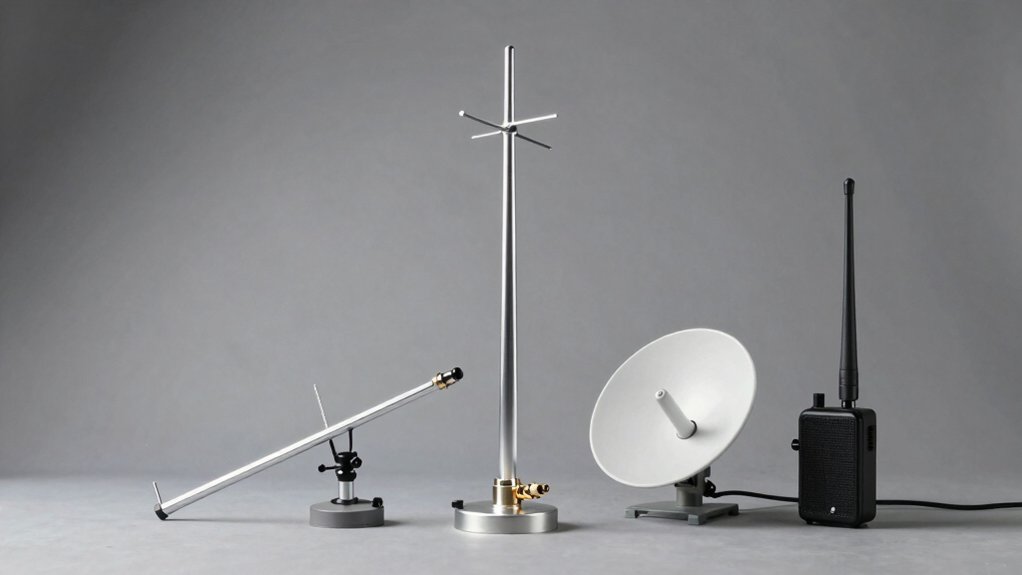
When you’re selecting an FM radio antenna, you’ll need to evaluate three key factors: impedance and connector type compatibility with your radio, the installation location that offers the best signal reception, and the cable length required to reach from your radio to the antenna. Check your radio’s specifications to match the correct impedance (typically 50 or 75 ohms) and connector type, then determine whether you’ll mount the antenna on your dashboard, roof, or window to maximize signal strength. Finally, measure the distance between your radio unit and your planned antenna location to ensure you purchase adequate cable length without unnecessary excess.
Best FM Radio Antenna
How do you know which FM radio antenna will work best with your receiver? Start by checking your receiver’s impedance specification—either 75 or 300 ohms—since matching this value minimizes signal loss. Next, identify the connector type your receiver uses: F-type connectors, 3.5mm jacks, or TV sockets. Review your receiver’s brand and model against antenna compatibility lists to ensure plug-and-play functionality. Consider your installation space and choose between dipole designs for flexibility or whip antennas for compact areas. Measure the distance from your receiver to your preferred antenna location, then select a coax length of 1.6 to 3 meters accordingly. Finally, assess your local signal strength—weak areas may benefit from high-gain amplifiers, though proper matching prevents noise issues.
Factors to Consider When Choosing FM Radio Antenna
Several critical factors determine whether an FM antenna will perform well with your receiver, and you’ll want to address each one before making a purchase. First, check your receiver’s impedance requirement—most modern radios need 75 Ohms, though older models may require 300 Ohms. Next, verify connector compatibility by examining your antenna port; common types include F-type, 75 Ohm coax, or 2-pin bare wire connections. Consider the antenna type that suits your space: dipole antennas work well indoors, telescopic designs offer adjustability, and magnetic base models mount securely on metal surfaces. Finally, evaluate cable length options, typically ranging from 3 to 10 feet, which determines how far you can position your antenna away from interference sources and electronic devices. Proper placement near windows maximizes reception range.
Impedance And Connector Type
What’s the first thing you should check before buying an FM antenna? Verify that the impedance matches your receiver’s input requirements. Most FM tuners need 75 ohms, while older dipole antennas typically use 300 ohms. Mismatched impedance causes signal loss, reduces reception quality, and creates reflections that prevent optimal power transfer.
Next, confirm the connector type fits your receiver’s port. Common options include F-type connectors, 2-pin bare wire connections, and DIN connectors. Check your receiver’s manual or examine the port directly to identify which type you need.
Some antennas include adapters that bridge different connectors, so verify the adapter set contains your required connector type. Matching both impedance and connector type ensures your antenna delivers optimal FM signal without requiring internal receiver modifications.
Installation Location Matters
Once you’ve confirmed your antenna‘s impedance and connector compatibility, you’ll need to select the right spot to install it. Position your antenna near a window to reduce wall interference and improve line-of-sight to broadcast towers. Elevate it on a wall mount or high shelf to capture weaker signals and minimize obstructions. Keep it away from electronic devices and metal surfaces, which cause signal degradation and detuning. If possible, place your antenna outdoors or on a balcony for superior reception compared to indoor-only setups. After repositioning, power-cycle your receiver to clear interference and confirm improved signal quality. Test different locations systematically until you achieve optimal station pickup and clarity.
Cable Length Requirements
How far should your antenna cable stretch from the receiver to the antenna? Most indoor FM antenna cables measure around 3 meters (10 feet), which balances placement flexibility with signal quality. Longer cables allow you to position your antenna near a window or high point when your receiver sits far from outside signals, improving reception considerably. However, cables exceeding this length introduce coax loss and increase noise, weakening your signal strength. When selecting cable length, choose the shortest distance that still lets you place the antenna in an ideal location. Always maintain 75-ohm impedance by using proper cables and ensuring all connections—including adapters and connectors—are tight and secure to prevent signal leakage and degradation.
Antenna Design Options
The cable you’ve selected sets the foundation for your reception, but your antenna’s physical design determines how well it actually captures FM signals. You’ll encounter two primary designs: dipole and T-shape configurations. Both work with balanced 300-ohm or unbalanced 75-ohm F-type connectors, depending on your receiver’s input type. Telescopic antennas let you adjust element length from 5.3 to 20+ centimeters, enabling you to match station frequencies precisely. For mounting, choose between magnetic base systems for metal surfaces, adhesive wall mounting for flexibility, or screw-in installations for permanent placement. Each method minimizes signal grounding issues differently. Many models include multiple adapters—3.5mm, TV sockets, PAL/ISO, and F-type—expanding compatibility across various receivers and improving your setup’s versatility.
Compatibility With Receivers
What connector type does your receiver actually have? You’ll find F-type, DIN, 3.5mm, or clip terminals on most models. Match your antenna’s connector to your receiver’s input exactly—mismatches prevent proper connection. Next, confirm impedance compatibility. Most receivers use 75 Ohms or 300 Ohms, so verify which your model requires for optimal signal transfer. Check your receiver’s manual or specifications if you’re unsure. Some premium brands like Bose Wave, Yamaha, Marantz, Denon, Onkyo, and Pioneer have unique configurations requiring specific adapter sets. Confirm whether you need adapters before purchasing. Finally, verify your antenna’s design matches your setup—indoor models work best for tabletop or wall-mounted use inside rooms. Don’t assume universal compatibility; always check specifications first.
Final Thoughts
You’ll pick up every FM station by matching your antenna to your receiver’s impedance—choose 75-ohm or 300-ohm models with proper adapters. Position your antenna near a window on an elevated shelf, away from metal interference. Test different placements before finalizing installation. Use short coax runs with secure connectors to minimize signal loss. These steps ensure you’ll receive clear, consistent reception across all frequencies.

Meet Ry, “TechGuru,” a 36-year-old technology enthusiast with a deep passion for tech innovations. With extensive experience, he specializes in gaming hardware and software, and has expertise in gadgets, custom PCs, and audio.
Besides writing about tech and reviewing new products, he enjoys traveling, hiking, and photography. Committed to keeping up with the latest industry trends, he aims to guide readers in making informed tech decisions.