
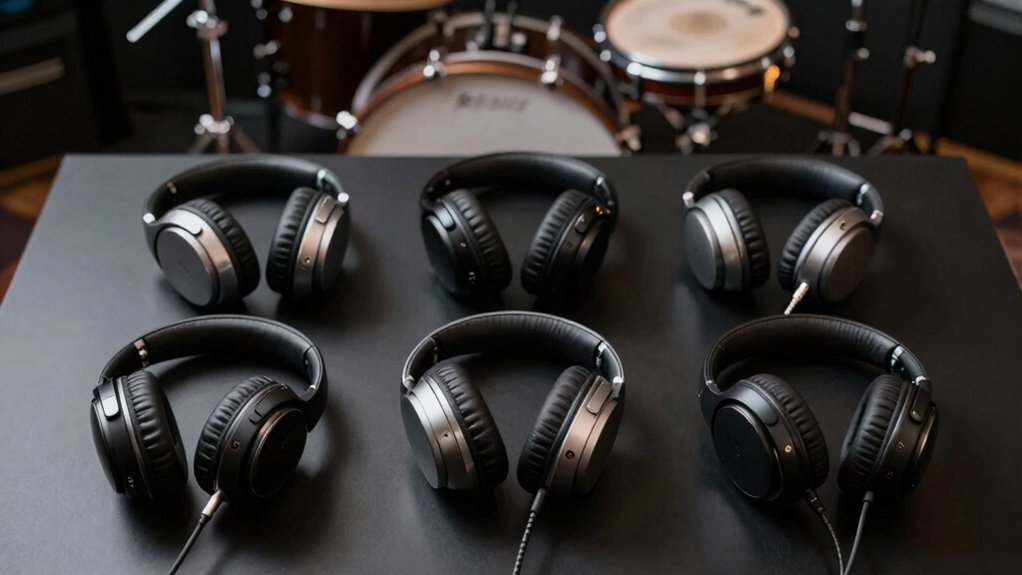

When you practice on electronic drums, you need headphones that isolate sound, deliver clear monitoring, and withstand repeated use. You’ll find that the right pair makes a significant difference in how you hear your timing and tone. Your choice depends on whether you prefer wired reliability, wireless convenience, or maximum noise blocking. Each option offers distinct advantages that match different practice setups and budgets—and we’ll walk you through them.
| OneOdio Wired Over Ear Studio Monitor Headphones |

| Studio Professional Standard | Driver Size: 50 mm | Connectivity Type: Wired only | Impedance: 32 ohms | VIEW LATEST PRICE | Read Our Analysis |
| Alesis DRP100 Audio-Isolation Electronic Drums Headphones |
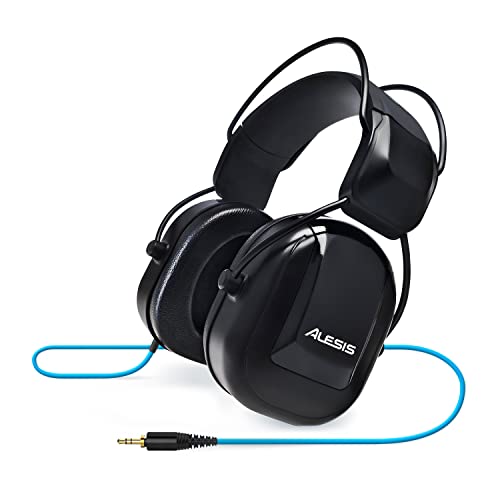
| Drummer’s Isolation Choice | Driver Size: 40 mm | Connectivity Type: Wired only | Impedance: 32 ohms | VIEW LATEST PRICE | Read Our Analysis |
| Audio-Technica ATH-M20x Professional Studio Monitor Headphones Black |

| Precision Monitoring Essential | Driver Size: 40 mm | Connectivity Type: Wired only | Impedance: Not specified | VIEW LATEST PRICE | Read Our Analysis |
| Vic Firth SIH3 Stereo Isolation Headphones 25 Decibels |
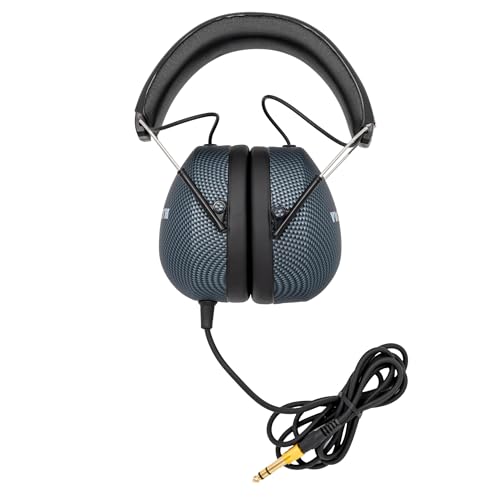
| Maximum Noise Isolation | Driver Size: 50 mm | Connectivity Type: Wired only | Impedance: 32 ohms | VIEW LATEST PRICE | Read Our Analysis |
| OneOdio A70 Bluetooth Over Ear Headphones Wireless |

| Versatile Hybrid Performer | Driver Size: 40 mm | Connectivity Type: Bluetooth wireless + wired switchable | Impedance: Not specified | VIEW LATEST PRICE | Read Our Analysis |
More Details on Our Top Picks
OneOdio Wired Over Ear Studio Monitor Headphones
Are you looking for headphones that’ll let you hear every detail of your electronic drum recordings without wireless connectivity issues? The OneOdio Pro-10 offers 50mm drivers and dual jack compatibility (3.5mm and 1/4 inch), making them suitable for audio interfaces and DJ mixers. You’ll get clear highs and powerful bass for accurate monitoring. The adjustable headband and swiveling ear cups enable single-ear monitoring during recording sessions. Its foldable design and detachable cable support portability between studios. The 32-ohm impedance and 110dB sensitivity deliver precise sound reproduction for mixing and mastering your electronic drum tracks.
- Driver Size:50 mm
- Connectivity Type:Wired only
- Impedance:32 ohms
- Frequency Response:20 Hz – 40 kHz
- Design Style:Over-ear with 90° swiveling cups
- Jack Compatibility:3.5 mm and 1/4 inch (6.35 mm)
- Additional Feature:90° swiveling ear cups
- Additional Feature:Detachable cable design
- Additional Feature:Hi-Res capable audio
Alesis DRP100 Audio-Isolation Electronic Drums Headphones
Looking for headphones that isolate sound while you practice or perform on electronic drums? The Alesis DRP100 delivers extreme audio isolation through its over-ear design, making it ideal for monitoring during practice, studio sessions, and live performances. The 40 mm full-range drivers produce tight low-end response and crystal-clear sound across a 20 Hz–20,000 Hz frequency range. Its sweat-proof silicone headband keeps the headphones stable during intense playing sessions. The 6-foot attached cable with 1/8-inch mini-plug and included 1/4-inch adapter work with electronic drum kits, audio interfaces, and mixers. The rugged, lightweight construction and protective carrying bag support daily use and transport.
- Driver Size:40 mm
- Connectivity Type:Wired only
- Impedance:32 ohms
- Frequency Response:20 Hz – 20,000 Hz
- Design Style:Over-ear with audio isolation
- Jack Compatibility:3.5 mm with 1/4 inch adapter included
- Additional Feature:25 dB noise isolation
- Additional Feature:Sweat-proof silicone headband
- Additional Feature:Included 1/4″ adapter
Audio-Technica ATH-M20x Professional Studio Monitor Headphones Black
The Audio-Technica ATH-M20x headphones work best for drummers who need accurate sound monitoring during studio tracking sessions. These circumaural headphones isolate external noise, allowing you to focus on your playing without distractions. The 40 mm drivers deliver enhanced low-frequency performance, which is essential for monitoring kick drums and bass lines. The single-sided cable exit prevents tangling during active drumming. Built with rare earth magnets and copper-clad aluminum voice coils, they’re engineered for durability in demanding studio environments. Their studio-grade construction ensures reliable performance through extended recording sessions. Choose the ATH-M20x when you prioritize hearing your drums clearly and maintaining consistent monitoring quality.
- Driver Size:40 mm
- Connectivity Type:Wired only
- Impedance:Not specified
- Frequency Response:Not specified
- Design Style:Circumaural over-ear
- Jack Compatibility:Single side cable exit (jack type not specified)
- Additional Feature:Single side cable exit
- Additional Feature:Enhanced low frequency tuning
- Additional Feature:Rare earth magnets
Vic Firth SIH3 Stereo Isolation Headphones 25 Decibels
Vic Firth’s SIH3 model stands out for drummers who need reliable isolation during practice sessions and live performances. These over-ear headphones deliver 25 decibels of noise reduction, protecting your hearing while you play. The 50mm dynamic drivers produce a frequency range from 20 Hz to 20,000 Hz, capturing full drum sound detail. You’ll connect them via the 3.5mm jack with an included 1/4 adapter to your electronic drum kit or audio device. The padded headband and cushioned ear cups ensure comfort during extended practice. The drawstring carry bag keeps them protected when you’re traveling between rehearsals or gigs.
- Driver Size:50 mm
- Connectivity Type:Wired only
- Impedance:32 ohms
- Frequency Response:20 Hz – 20,000 Hz
- Design Style:Over-ear with cushioned cups
- Jack Compatibility:3.5 mm with 1/4 inch adapter included
- Additional Feature:25 dB noise reduction
- Additional Feature:Included drawstring carry bag
- Additional Feature:Mylarcon dynamic driver
OneOdio A70 Bluetooth Over Ear Headphones Wireless
If you’re a drummer who needs headphones that won’t die mid-session, the OneOdio A70 delivers up to 72 hours of wireless playtime while offering a dual-mode system that lets you switch to wired operation whenever battery isn’t a concern. The 40mm neodymium drivers produce powerful bass and dynamic stereo sound essential for monitoring electronic drum patterns. You’ll appreciate the ergonomic over-ear design with memory cotton padding for extended wear during long practice sessions. The foldable structure provides portability between studios or gigs. Additionally, you can connect two headphones together using the 6.35mm and 3.5mm jack configuration, allowing you and another musician to monitor simultaneously. The built-in HD microphone handles communication clearly when you need to discuss timing or arrangement changes during recording sessions.
- Driver Size:40 mm
- Connectivity Type:Bluetooth wireless + wired switchable
- Impedance:Not specified
- Frequency Response:Not specified
- Design Style:Over-ear rotatable and foldable
- Jack Compatibility:3.5 mm to 6.35 mm and 3.5 mm to 3.5 mm cables included
- Additional Feature:72-hour wireless playtime
- Additional Feature:Audio sharing jack lock
- Additional Feature:Foldable space-saving design
Factors to Consider When Choosing Headphones for Electronic Drums
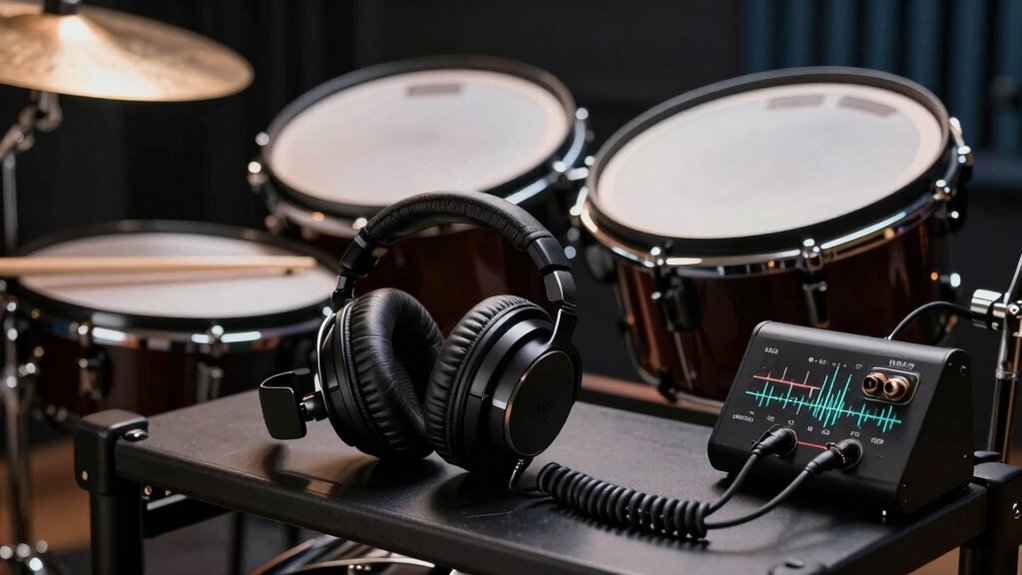
When selecting headphones for electronic drums, you’ll need to evaluate five key factors that directly affect your playing experience: impedance and compatibility with your drum module, driver size and frequency response for accurate sound reproduction, comfort during extended practice sessions, noise isolation capabilities to hear your drums clearly, and cable configuration options that suit your setup. Start by checking your drum module’s output specifications to ensure impedance compatibility, then assess driver size—larger drivers typically deliver better bass response that drummers need. Finally, consider whether you prefer wired or wireless connections based on your practice space and mobility requirements.
Impedance and Compatibility
Why does impedance matter when you’re choosing headphones for your electronic drums? Impedance, measured in ohms, directly affects how much power your drum module or audio interface must supply to produce adequate volume. Lower impedance headphones, typically 32 Ω, require less power and work well with portable interfaces. Higher impedance models demand more power and may need a dedicated amplifier to reach similar loudness levels.
To ensure compatibility, check your interface’s output specifications and match them with your headphone impedance. Verify that your interface supports stereo 1/4-inch outputs. This alignment prevents distortion and insufficient volume. If you’re using a portable interface with standard outputs, 32 Ω headphones offer the best balance of accessibility and sound pressure levels without requiring additional equipment.
Driver Size and Frequency Response
How do you match driver size and frequency response to your electronic drum monitoring needs? Start by selecting driver sizes between 40–50 mm, which deliver the powerful bass and impact essential for electronic drums. Next, check the frequency response range on the headphone specifications. You’ll want a range spanning 20 Hz to 20 kHz or beyond to accurately reproduce both deep kicks and bright cymbals. Then, prioritize drivers with emphasized low-end performance in the 20–200 Hz range. This emphasis supports accurate monitoring of drum transients and punch. Finally, pair these specifications with dynamic drivers, which provide responsive bass and energetic sound suitable for practice and live-sounding monitoring. This combination ensures clean, distortion-free reproduction of your electronic drum kit.
Comfort During Extended Sessions
Once you’ve confirmed that your headphones deliver the right sound for your electronic drums, you’ll need to verify they’re comfortable enough for marathon practice sessions. Start by checking the headband’s adjustability and clamp force. A secure fit shouldn’t cause pressure buildup after extended wear. Next, examine the ear cushion padding—soft, thick materials reduce fatigue. Look for lightweight designs with balanced weight distribution to prevent neck strain. Test the seal quality; headphones should isolate sound without trapping excess heat that causes sweating. Finally, confirm the cable’s design. Detachable or foldable options reduce weight during long sessions and simplify storage. Prioritize models offering breathability alongside isolation. These features combined ensure you can practice comfortably for hours without physical discomfort interrupting your work.
Noise Isolation Capabilities
What role does noise isolation play in your electronic drum practice setup? Isolation reduces ambient sound entering your ears, measured in decibels (dB), allowing you to focus on drum sounds without external distractions. Higher dB ratings indicate better isolation performance.
Choose over-ear headphones with cushioned cups and snug headbands for maximum passive isolation. Closed-back designs offer superior isolation compared to open-back models. Check product specifications for explicit attenuation levels, such as 25 dB ratings, to gauge performance.
Verify that your headphones use quality materials and maintain tight seals around your ears. Light materials or loose seals compromise isolation effectiveness, particularly during loud playing sessions. Select models specifically designed for drum practice to ensure adequate isolation in various environments.
Cable Configuration Options
Beyond isolation, you’ll need to consider how your headphones connect to your drum module or audio interface—the cable configuration directly affects your setup’s flexibility and reliability during practice and recording sessions. Detachable cables are your best choice because they’re easily replaceable if damaged, minimizing downtime when you’re preparing for recording or rehearsal. Check your drum module’s jack type first. Most electronic drum modules use 1/4-inch jacks, so verify whether your headphones have this standard connector or if you’ll need a 1/8 to 1/4-inch adapter. For cable length, choose six-foot options—either coiled or straight—to provide adequate reach without creating tension or signal degradation during active playing at your kit.
Durability for Professional Use
Professional drummers frequently subject their headphones to intense physical demands, so you’ll need to prioritize robust construction that withstands repeated use across practice sessions, rehearsals, and live performances. Look for over-ear models with reinforced headbands and impact-resistant enclosures. Select headphones built from durable materials like metal and quality plastics rather than cheap polymers. Verify that cables are detachable to reduce wear from constant plugging and unplugging. Check for secure cable exits that prevent damage from tugging. Choose models with 50mm drivers rated for high abuse tolerance. Confirm the headphones include a protective carrying case for transport between venues. These specifications ensure your investment survives the demanding conditions of professional drumming without premature failure or sound degradation.
Audio Accuracy for Monitoring
How do you know if your headphones will accurately represent what’s actually coming through your electronic drum kit? Check the frequency response specification. You need headphones with a flat or neutral response across 20 Hz to 20 kHz—this range captures deep kicks and crisp cymbals without coloration. Verify the total harmonic distortion (THD) rating; lower THD means cleaner sound reproduction. Look for consistent performance across that frequency range to ensure drum hits sound realistic. Consider impedance between 32 ohms and mid-range levels for tight transient response, which matters when monitoring fast drum sequences. Finally, confirm the headphones have adequate isolation—passive or electronic—to block external noise and prevent drum bleed from masking subtle details you need to hear.
Final Thoughts
You’ll want to prioritize closed-back isolation, flat frequency response, and durable cables for electronic drum practice. Match your impedance needs—32 ohms works well for most gear. Choose wired models like OneOdio or Audio-Technica for reliability, or select the A70 if you need wireless flexibility. Check that cables detach and that ear cups fold for portability. Test isolation levels before purchasing to ensure they block enough ambient noise for focused practice sessions.

Meet Ry, “TechGuru,” a 36-year-old technology enthusiast with a deep passion for tech innovations. With extensive experience, he specializes in gaming hardware and software, and has expertise in gadgets, custom PCs, and audio.
Besides writing about tech and reviewing new products, he enjoys traveling, hiking, and photography. Committed to keeping up with the latest industry trends, he aims to guide readers in making informed tech decisions.