

If you’re a power user who needs stable, wired connectivity for demanding workflows, you’ll want a laptop with a built-in Ethernet port. Here’s what you need to know: most modern laptops dropped this feature, but five reliable models still deliver it alongside fast processors, expandable RAM, and solid storage. We’ll break down each option’s specs and show you how to pick the best fit for your needs.
| HP 15.6″ FHD Business Laptop 13th Gen Intel i3 |

| Best for Multitasking | Processor Generation: 13th Gen Intel Core i3-1315U | Display Size: 15.6″ FHD | Operating System: Windows 11 Pro | VIEW LATEST PRICE | Read Our Analysis |
| Dell Latitude 5400 14″ Laptop Intel Core i5 |

| Best Value | Processor Generation: 8th Gen Intel Core i5-8365U | Display Size: 14″ FHD | Operating System: Windows 11 Pro | VIEW LATEST PRICE | Read Our Analysis |
| Lenovo V15 Laptop AMD Ryzen 3 15.6 inch FHD |

| Best AI Features | Processor Generation: AMD Ryzen 3 7320U | Display Size: 15.6″ FHD | Operating System: Windows 11 Pro | VIEW LATEST PRICE | Read Our Analysis |
| HP 15 Laptop Intel 13th Gen 256GB SSD |

| Best Overall | Processor Generation: 13th Gen Intel Core i3-1315U | Display Size: 15.6″ FHD | Operating System: Windows 11 Pro 64-bit | VIEW LATEST PRICE | Read Our Analysis |
| Lenovo V15 Business Laptop 15.6″ FHD Display |
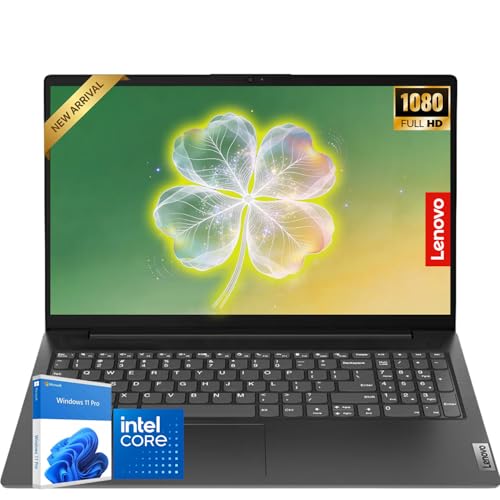
| Budget-Friendly Pick | Processor Generation: Intel Quad-Core N5100 | Display Size: 15.6″ FHD | Operating System: Windows 11 Pro | VIEW LATEST PRICE | Read Our Analysis |
More Details on Our Top Picks
HP 15.6″ FHD Business Laptop 13th Gen Intel i3
You’ll want this laptop if you’re juggling multiple applications simultaneously. The 13th Gen Intel Core i3-1315U processor delivers smooth multitasking with six cores and eight threads, reaching speeds up to 4.5 GHz. This machine outperforms previous-generation i7 processors in supported workloads, making it capable for demanding tasks. Windows 11 Pro comes pre-installed with Office 365 for web, providing essential productivity tools. For connectivity, you get two USB 3.2 Type-A ports, one USB 3.2 Type-C port, HDMI, and a dedicated Ethernet port. Wi-Fi 6 ensures fast wireless speeds. The Ethernet connection provides reliable wired stability for video calls and large file transfers.
- Processor Generation:13th Gen Intel Core i3-1315U
- Display Size:15.6″ FHD
- Operating System:Windows 11 Pro
- RAM Configuration:Not specified
- Storage Capacity:Not specified
- Weight:Not specified
- Additional Feature:Outperforms previous-gen i7-1165G7
- Additional Feature:Intel Turbo Boost Technology
- Additional Feature:USB 3.2 Gen 1 Type-C
Dell Latitude 5400 14″ Laptop Intel Core i5
The Dell Latitude 5400 delivers solid value for professionals who need reliable computing without premium pricing. You get an Intel Core i5-8365U processor paired with 16GB RAM and 256GB SSD storage, handling everyday tasks and multitasking effectively. The 14-inch FHD display provides adequate screen real estate for work. Connect via the built-in RJ45 Ethernet port for stable, wired internet—essential for video conferencing and file transfers. Additional ports include USB Type-C, USB 3.0, HDMI, and SD card reader. Windows 11 Pro comes preinstalled. This renewed model includes a 90-day warranty, making it a practical choice for budget-conscious professionals requiring a dependable business laptop.
- Processor Generation:8th Gen Intel Core i5-8365U
- Display Size:14″ FHD
- Operating System:Windows 11 Pro
- RAM Configuration:16GB DDR4
- Storage Capacity:256GB SSD
- Weight:3.3 lbs
- Additional Feature:Microsoft Authorized Refurbished
- Additional Feature:SD card reader included
- Additional Feature:90-day warranty
Lenovo V15 Laptop AMD Ryzen 3 15.6 inch FHD
Lenovo’s 2026 V15 combines student-friendly affordability with business-grade performance through its AI-driven Windows Copilot integration, which handles task management, personalized assistance, and smart recommendations automatically. You’ll benefit from the AMD Ryzen 3 7320U processor with 4 cores and 8 threads reaching 4.1GHz for smooth multitasking. The 15.6″ FHD anti-glare display reduces eye strain during extended work sessions. You can connect directly to networks using the built-in RJ-45 Ethernet port, avoiding Wi-Fi dependency. Upgrade to 16GB DDR5 memory and 2TB SSD storage to maximize performance and file capacity. Dolby Audio stereo speakers deliver clear sound for video conferencing and media. Windows 11 Pro provides security and productivity tools you need for professional environments.
- Processor Generation:AMD Ryzen 3 7320U
- Display Size:15.6″ FHD
- Operating System:Windows 11 Pro
- RAM Configuration:Up to 16GB DDR5
- Storage Capacity:Up to 2TB SSD
- Weight:Not specified
- Additional Feature:AI-driven Windows Copilot
- Additional Feature:Dolby Audio stereo speakers
- Additional Feature:Up to 16GB DDR5
HP 15 Laptop Intel 13th Gen 256GB SSD
Want a capable laptop that handles everyday computing without compromise? The HP 15 delivers solid performance with its Intel Core i3-1315U processor and 256GB SSD storage. You’ll get Windows 11 Pro, up to 64GB RAM options, and a 15.6″ Full HD display for comfortable viewing. The built-in Ethernet port connects you directly to networks without Wi-Fi dependency. You also receive dual USB-A ports, USB-C, HDMI output, and an SD card reader. Microsoft Office comes pre-installed with Word, Excel, PowerPoint, and Outlook. At 3.8 pounds with a numeric keypad, this laptop suits office work, remote tasks, and general productivity effectively.
- Processor Generation:13th Gen Intel Core i3-1315U
- Display Size:15.6″ FHD
- Operating System:Windows 11 Pro 64-bit
- RAM Configuration:Up to 64GB DDR4 (8GB included)
- Storage Capacity:Up to 256GB PCIe SSD
- Weight:3.8 lbs
- Additional Feature:Numeric keypad on keyboard
- Additional Feature:Spill-resistant keyboard design
- Additional Feature:WOWPC Recovery USB included
Lenovo V15 Business Laptop 15.6″ FHD Display
For budget-conscious professionals juggling multiple browser tabs and office applications, the Lenovo V15 delivers reliable performance without breaking the bank. You’ll benefit from its 15.6″ Full HD anti-glare display, ideal for extended work sessions. The Intel Quad-Core N5100 processor handles web browsing, document editing, and video conferencing smoothly. With 4GB DDR4 RAM and 128GB SSD storage, you’ll experience fast boot times and quick application launches. The built-in Gigabit Ethernet port ensures stable, wired internet connectivity when you need consistent speeds. Windows 11 Pro provides security features including TPM support and a webcam privacy shutter. At 3.75 pounds, portability remains excellent for business travel and remote work environments.
- Processor Generation:Intel Quad-Core N5100
- Display Size:15.6″ FHD
- Operating System:Windows 11 Pro
- RAM Configuration:4GB DDR4
- Storage Capacity:128GB PCIe NVMe SSD
- Weight:Approx. 3.75 lbs
- Additional Feature:Webcam privacy shutter
- Additional Feature:TPM security support
- Additional Feature:Lightweight portable design
Factors to Consider When Choosing a Laptop With Ethernet Port
When selecting a laptop with an Ethernet port, you’ll want to evaluate five key factors: the port’s physical design and durability for frequent connections, the network speed capabilities (gigabit vs. standard), your processor’s ability to handle demanding tasks, your RAM and storage needs for file management, and your display quality requirements for extended work sessions. Each factor directly impacts your productivity, so prioritize them based on your specific use case—for example, if you transfer large files daily, prioritize network speed; if you run resource-heavy applications, focus on processor and RAM. By assessing these elements against your actual work demands, you’ll identify the laptop that genuinely supports your workflow rather than purchasing unnecessary features.
Port Design And Reliability
How much does your laptop’s physical design actually matter when you’re choosing an Ethernet port? You need to evaluate two key aspects: connector type and integration quality.
First, check whether the port uses standard RJ-45 connectors. This matters because proprietary designs limit your cable options and require specific adapters. Second, examine how the port’s shielding and mechanics affect your laptop’s overall construction. Built-in Ethernet requires additional internal space and heat management considerations that impact device thickness.
Next, assess port speed capabilities. Verify whether your laptop supports 1Gbps, 2.5Gbps, or faster connections. This directly influences your actual data transfer rates.
Finally, test the port’s physical durability. Inspect the connector’s build quality and check manufacturer reliability ratings. A well-designed port withstands repeated cable insertions without degradation.
Network Speed Capabilities
Your laptop’s physical port design matters, but what you really need to know is the actual speed it can deliver. Check whether your Ethernet port supports 1 Gbps, 2.5 Gbps, or 10 Gbps—this determines your maximum wired throughput. Verify your router and network switch also support the same speed tier; mismatched equipment limits performance. If your laptop lacks a built-in port, USB-C or USB-A adapters can add Ethernet capability, but confirm the adapter’s specifications and your USB version (3.0, 3.1, or 3.2) match your speed needs. For sustained file transfers, video conferencing, and large data tasks, Gigabit Ethernet (1 Gbps minimum) provides stable connectivity even when Wi-Fi networks are congested. Match your port speed to your actual infrastructure for reliable results.
Processor Performance Needs
Why does processor performance matter when you’re using an Ethernet connection? A faster CPU with more cores handles multitasking and parallel workloads more efficiently, which complements your stable network connection. You’ll benefit from newer architectures that deliver higher instructions per cycle (IPC), improving single-threaded task performance in productivity applications. Turbo boost capability provides short frequency bursts, enhancing responsiveness during intensive work sessions. When selecting your laptop, check the core count and clock speed—aim for at least a mid-range processor with four or more cores. Pair this with sufficient RAM and higher memory channel speeds to prevent data bottlenecks during network operations. Combined with your Ethernet connection, a capable processor ensures smooth file transfers and remote work performance without delays or slowdowns.
RAM And Storage Requirements
When you’re selecting a laptop with an Ethernet port, RAM and storage capacity directly impact how well your machine handles multitasking and network operations. You’ll want at least 16GB of RAM to keep multiple applications running smoothly while managing simultaneous downloads, video calls, and background processes without lag. For storage, choose an SSD over an HDD because SSDs boot faster and load files quicker, which matters when transferring files over your wired network. Aim for 512GB minimum storage capacity to cache files and maintain responsive performance during online work. Before upgrading, verify your motherboard supports your chosen RAM type (DDR4 or DDR5) and SSD format (NVMe PCIe). These specifications ensure stable network throughput and reliable multitasking during demanding tasks.
Display Quality Standards
Display clarity matters substantially when you’re working with a wired Ethernet connection, since a sharp screen directly supports productivity during extended work sessions. You’ll want to prioritize Full HD (1920×1080) resolution as your baseline, which balances visual detail with consistent performance. Consider matte screen finishes and anti-glare coatings to reduce reflections in bright office environments. Check brightness levels between 250–300 nits for comfortable indoor viewing under standard lighting conditions. Evaluate color gamut coverage around 45–72% NTSC, which ensures text readability without requiring premium color accuracy. Smaller bezels enhance your usable screen space without increasing overall laptop size. These display specifications work together to support video conferencing, document review, and content streaming while maintaining a stable Ethernet connection throughout your workday.
Battery Life Expectations
Since you’ll rely on your laptop throughout your workday, battery performance directly affects your productivity when you’re away from power outlets. Expect 6 to 12 hours of mixed usage from laptops with Ethernet ports, depending on your CPU efficiency, display brightness, and workload intensity. Newer low-power processors—like 11th through 13th generation Intel Core U-series chips—deliver longer battery life than older high-power models. Connected Ethernet may slightly reduce idle battery efficiency due to constant network activity, though modern power management minimizes this impact. Business-focused laptops typically achieve 8 to 12 hours during light web browsing and productivity tasks. Review manufacturer benchmarks for your specific configuration since memory, storage, display type, and wireless adapters significantly affect actual runtime.
Build Quality And Durability
What makes a laptop’s chassis and Ethernet port withstand daily wear? You’ll want to examine three key areas. First, check the housing material—aluminum or magnesium alloy bodies resist damage better than plastic. Second, inspect the Ethernet jack design; recessed or shielded jacks protect against bent pins and dust. Third, look for cable strain relief features around the port, which prevent connector failure from repeated plugging and unplugging. Additionally, verify IP-rated sealing around ports if you work in varied environments with spill risks. These durability factors directly affect how long your laptop’s connectivity remains reliable. Prioritize models combining reinforced chassis construction with protected port design for extended longevity and consistent performance.
Price And Value Balance
When you’re shopping for a laptop with an Ethernet port, you’ll need to balance the cost premium against your actual networking needs. Built-in Ethernet adds $200–$400 to the price compared to Wi-Fi-only models. Evaluate whether you genuinely require wired connectivity for your work. If budget is tight, consider USB-C or USB-A Ethernet adapters instead—they cost $15–$40 upfront but demand extra setup. Prioritize RAM allocation over storage if funds are limited; 8–16GB handles most tasks reliably. Check refurbished models with native Ethernet for better value, but verify warranty coverage first. Laptops combining Ethernet with Wi-Fi 6 justify their modest premium in business or classroom environments where stable performance matters. Calculate total ownership cost before deciding.
Final Thoughts
You’ll want to pick a laptop based on your actual needs. If you need maximum RAM and storage, choose the HP 15.6″ or HP 15. For business use with security features, go with the Dell Latitude or Lenovo V15 Business. The Lenovo V15 with Ryzen works best for budget-conscious buyers. All five models include Ethernet ports for stable connections. Compare specs against your workflow demands, then select accordingly.

Meet Ry, “TechGuru,” a 36-year-old technology enthusiast with a deep passion for tech innovations. With extensive experience, he specializes in gaming hardware and software, and has expertise in gadgets, custom PCs, and audio.
Besides writing about tech and reviewing new products, he enjoys traveling, hiking, and photography. Committed to keeping up with the latest industry trends, he aims to guide readers in making informed tech decisions.