


When you’re selecting a laptop for law school, you’ll need to evaluate specific hardware requirements that directly impact your performance. You should prioritize a fast processor, at least 8GB of RAM, and an NVMe SSD for handling large case files and research databases. You’ll also want to consider battery life, portability, and display quality. But choosing between six solid options requires understanding which features matter most for your particular needs—and that’s where the real decision begins.
| HP Flagship 14″ HD Student & Business Laptop |
| Best Starter Laptop | Display Size: 14 inches | Processor Type: Intel N150 (4-core) | RAM: 4GB DDR4 | VIEW LATEST PRICE | Read Our Analysis |
| Lenovo IdeaPad 1 Student Laptop 15.6″ FHD |

| Best Performance Value | Display Size: 15.6 inches | Processor Type: Celeron N4500 (2-core) | RAM: 12GB | VIEW LATEST PRICE | Read Our Analysis |
| HP Chromebook 14 Laptop Intel Celeron N4120 |
| Best Budget Option | Display Size: 14 inches | Processor Type: Intel Celeron N4120 (quad-core) | RAM: 4GB DDR4 | VIEW LATEST PRICE | Read Our Analysis |
| HP Pavilion Laptop 2026 Student Notebook with Intel N150 |
| Best Portable Choice | Display Size: 14 inches | Processor Type: Intel N150 (4-core) | RAM: 8GB DDR4 | VIEW LATEST PRICE | Read Our Analysis |
| Acer Aspire 3 A315-24P-R7VH Slim Laptop 15.6 |

| Best Display Quality | Display Size: 15.6 inches | Processor Type: AMD Ryzen 3 7320U (quad-core) | RAM: 8GB LPDDR5 | VIEW LATEST PRICE | Read Our Analysis |
| HP 14″ Ultralight Laptop Intel Quad-Core 8GB RAM |

| Best Upgradeable Option | Display Size: 14 inches | Processor Type: Intel Celeron (quad-core) | RAM: 8GB DDR4 | VIEW LATEST PRICE | Read Our Analysis |
More Details on Our Top Picks
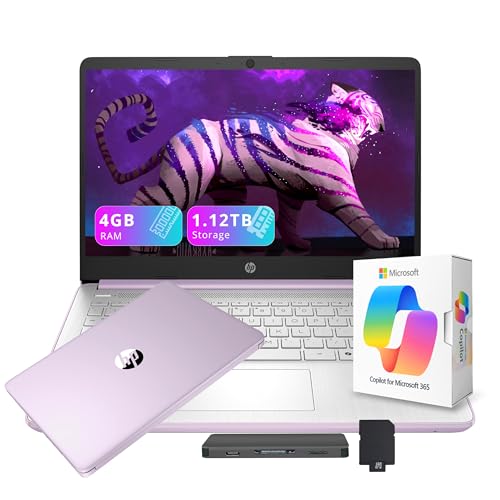
HP Flagship 14″ HD Student & Business Laptop
Looking for a laptop that won’t drain your budget? The HP Flagship 14” delivers essential performance for law school. You get a 13th Gen Intel processor, 4GB RAM, and 128GB storage, handling research, note-taking, and document management efficiently. The 14-inch HD display provides comfortable viewing for extended study sessions. Windows 11 S keeps the system streamlined and secure. A major advantage: the included 7-in-1 docking station adds 1TB storage, expanding your capacity substantially. Wi-Fi 6 connectivity ensures reliable online access for classes and research. At 3.24 pounds, portability suits library visits and study groups. The one-year Office 365 subscription covers essential productivity software. This combination makes it a practical choice for law students prioritizing affordability without sacrificing core functionality.
- Display Size:14 inches
- Processor Type:Intel N150 (4-core)
- RAM:4GB DDR4
- Storage Capacity:1.12TB total (128GB + 1TB docking)
- Operating System:Windows 11 S
- Included Software:1 Year Office 365 subscription
- Additional Feature:7-in-1 docking station included
- Additional Feature:1TB docking station storage
- Additional Feature:AI Copilot features
Lenovo IdeaPad 1 Student Laptop 15.6″ FHD
Need reliable performance without overspending? The Lenovo IdeaPad 1 delivers solid specs for law school coursework. Its 15.6″ FHD display gives you adequate screen real estate for reading documents and case files. The Celeron N4500 processor handles multitasking across browser tabs and applications smoothly. You’ll get 12GB RAM plus dual storage—512GB SSD and 128GB eMMC—ensuring fast boot times and file transfers. The laptop includes Wi-Fi 6, USB-C 3.2, and an SD card reader for connectivity needs. Windows 11 Home comes preloaded with Office 365 for one year, supporting your research and writing assignments effectively.
- Display Size:15.6 inches
- Processor Type:Celeron N4500 (2-core)
- RAM:12GB
- Storage Capacity:640GB total (512GB SSD + 128GB eMMC)
- Operating System:Windows 11 Home
- Included Software:1 Year Office 365 subscription
- Additional Feature:Compatible with Android apps
- Additional Feature:Anti-glare IPS display
- Additional Feature:Combined dual SSD storage
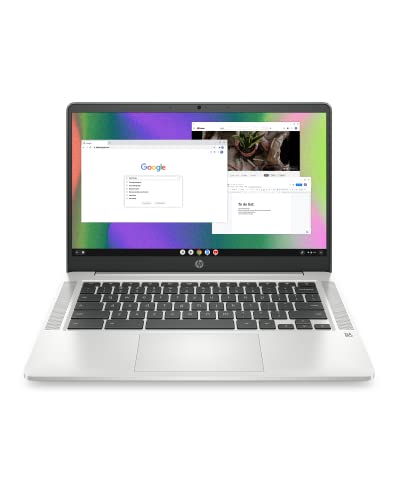
HP Chromebook 14 Laptop Intel Celeron N4120
The HP Chromebook 14 offers budget-conscious law students a solid entry-level machine. You’ll get a 14-inch anti-glare display, Intel Celeron N4120 processor, and 4GB RAM for basic legal research and document work. The 64GB storage handles essential files, while Chrome OS provides access to Google Play Store apps. You’ll enjoy up to 14 hours of battery life, making it portable between classes and the library. Three USB ports and HDMI output let you connect external monitors and peripherals. Fast charging reaches 50% in 45 minutes. Consider this laptop if you prioritize portability and affordability over processing power.
- Display Size:14 inches
- Processor Type:Intel Celeron N4120 (quad-core)
- RAM:4GB DDR4
- Storage Capacity:64GB eMMC
- Operating System:Chrome OS
- Included Software:Google Play Store access
- Additional Feature:14-hour battery life
- Additional Feature:Chrome OS with Google Play
- Additional Feature:Fast charge to 50%
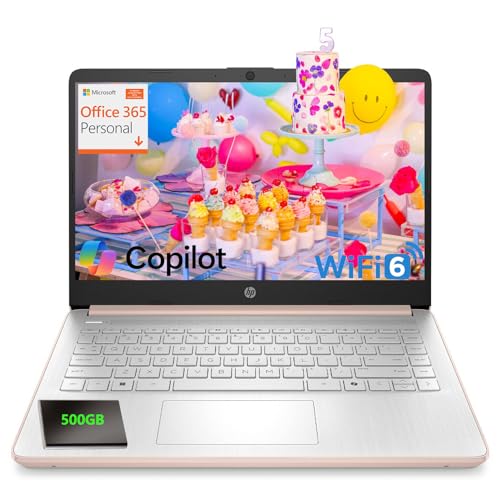
HP Pavilion Laptop 2026 Student Notebook with Intel N150
Want reliable performance that won’t weigh you down? The HP Pavilion 2026 delivers what you need for law school. Its Intel N150 processor handles research, document editing, and virtual classes smoothly. You’ll get 8GB memory for multitasking and 128GB storage plus a 500GB external drive. The 14-inch anti-glare display reduces eye strain during long study sessions. At 3.24 lbs, you’ll carry it easily between classes and libraries. Wi-Fi 6 keeps you connected, while the battery lasts through your study blocks. Windows 11 Home comes ready to use, and you’ll receive Microsoft Office 365 free for one year. This setup covers your academic needs affordably.
- Display Size:14 inches
- Processor Type:Intel N150 (4-core)
- RAM:8GB DDR4
- Storage Capacity:628GB total (128GB UFS + 500GB HDD)
- Operating System:Windows 11 Home (S mode)
- Included Software:1 Year Microsoft Office 365 included
- Additional Feature:Dual-array microphones included
- Additional Feature:Switchable Windows 11 S mode
- Additional Feature:500GB external HDD included
Acer Aspire 3 A315-24P-R7VH Slim Laptop 15.6
Considering a laptop that won’t strain your eyes during long study sessions? The Acer Aspire 3 delivers a 15.6″ Full HD IPS display designed for sharp text and crisp colors, essential when reviewing case documents and legal briefs. The AMD Ryzen 3 7320U processor handles multitasking across research applications and note-taking software simultaneously. You’ll get 8GB of memory and 128GB storage for organizing case files and study materials. The slim design makes transport between classrooms and libraries practical. Use the HD camera for virtual study groups and online lectures. The AI Noise Reduction technology ensures clear audio during group project meetings and professor consultations.
- Display Size:15.6 inches
- Processor Type:AMD Ryzen 3 7320U (quad-core)
- RAM:8GB LPDDR5
- Storage Capacity:128GB NVMe SSD
- Operating System:Windows 11 Home
- Included Software:None specified
- Additional Feature:AMD Radeon Graphics integrated
- Additional Feature:Acer PurifiedVoice noise reduction
- Additional Feature:Slim, light travel design
HP 14″ Ultralight Laptop Intel Quad-Core 8GB RAM
Looking for a laptop you can upgrade as your law studies advance? The HP 14” Ultralight delivers portability without sacrificing performance. You get an Intel Celeron processor, 8GB DDR4 RAM, and 192GB storage across its eMMC and SD card. The RAM is upgradable for future demands. Its 14-inch HD display fits comfortably in your backpack for library sessions. Three USB ports and HDMI connectivity support external monitors and peripherals you’ll need for research. Included Office 365 covers your document and spreadsheet requirements. At this price point, you’re gaining a capable study device that grows with your coursework demands.
- Display Size:14 inches
- Processor Type:Intel Celeron (quad-core)
- RAM:8GB DDR4
- Storage Capacity:192GB total (64GB eMMC + 128GB SD Card)
- Operating System:Windows (unspecified version)
- Included Software:1 Year Office 365 included
- Additional Feature:Ghost Manta SD Card
- Additional Feature:RAM upgradable for future
- Additional Feature:Micro-edge bezel design
Factors to Consider When Choosing Laptops for Law School

When you’re selecting a laptop for law school, you’ll need to evaluate five key factors that directly affect your academic performance: display size and resolution for reading dense legal documents, processing power to handle multiple applications simultaneously, RAM capacity to support multitasking between research and writing, storage space for organizing case files and course materials, and battery life to sustain you through full days of classes and study sessions. Start by determining your primary use—whether you’ll focus on note-taking, legal research, or document drafting—because each activity demands different specifications. Next, compare how each factor aligns with your daily schedule and your law school’s specific software requirements before making your final decision.
Display Size And Resolution
How much screen space do you actually need for law school work? You’ll want a 14–15.6 inch display to read dense legal texts comfortably and view multiple windows simultaneously without straining your eyes. Choose Full HD resolution (1920×1080) or higher to ensure scanned PDFs and case documents display with sharp clarity. Lower resolutions like 720p create blurry text during extended study sessions. Select an IPS or IPS-level panel for accurate color and wider viewing angles when annotating documents from different positions. Get an anti-glare or matte finish to reduce reflections in bright study spaces, which supports longer focused reading periods. Pair adequate screen size with a thin-bezel design to maintain portability for classes and library use without sacrificing readable screen real estate.
Processing Power Requirements
What CPU specifications should you prioritize for law school? Start by selecting a processor with at least four cores to handle word processing, research, and multiple browser tabs simultaneously. Look for CPUs offering turbo or boost capabilities that reach higher GHz peaks, which accelerate document assembly and PDF editing. For long writing sessions, prioritize strong single-thread performance to speed up drafting in word processors. Skip focusing on integrated graphics; instead, concentrate your budget on CPU cores, threads, and turbo speeds. Aim for processors with eight to twelve total threads to manage mild to moderate multitasking effectively. Avoid basic dual-core options, as they’ll struggle with your typical law school workload. These specifications ensure smooth performance across your essential legal work applications.
RAM And Multitasking Capacity
Your laptop’s RAM directly impacts how smoothly you’ll handle the demanding multitasking that law school requires. Start with 8GB as your baseline—it’ll let you run word processors, PDF readers, and research apps simultaneously without constant slowdowns. If you’re juggling multiple browser tabs alongside case law databases and citation tools, you’ll notice lag during large document edits without sufficient memory. Consider 12GB or more if you plan to use virtual machines for legal research environments. For long-term performance as your workload grows with larger datasets and intensive document management, aim for 16GB or higher. More RAM reduces disk swapping, keeping your workflow uninterrupted when switching between documents and research applications.
Storage For Legal Documents
When you’re selecting a laptop for law school, storage capacity directly determines how efficiently you’ll manage case files, briefs, and research materials without constant deletion or external juggling. Aim for at least 256GB of solid-state storage to comfortably accommodate large PDFs and eBooks with faster access speeds. SSDs outperform HDDs for document searches and backups, which you’ll need frequently during coursework. If you’re handling volume-heavy assignments, prioritize USB-C or NVMe expansion capabilities. This lets you connect external drives or docking stations without replacing your primary storage. Consider adding microSD cards or external SSDs to archive older documents separately. Balance storage capacity against RAM and display quality to maintain multitasking efficiency during extended study sessions without compromising other essential laptop functions.
Battery Life For Classes
How long can your laptop actually run between charges during a full day of classes and study sessions? You need at least 8–10 hours of real-world battery life for typical law-school work like document editing, web browsing, and research. Choose laptops with efficient processors and SSDs, which extend battery life compared to older hard-drive systems. Check test reports or manufacturer claims at screen brightness around 150–200 nits, matching classroom lighting conditions. Select a safety margin by picking batteries rated for 12+ hours to cover grading sessions and study marathons. Enable power-saving features and default low-power mode to maximize all-day usage between charges. This approach ensures you’ll stay productive without searching for outlets between classes.
Portability And Weight Considerations
What makes a laptop truly portable for law school? Weight and size directly affect your comfort during the demanding schedule you’ll face. Choose laptops under 3.5 pounds to reduce neck and shoulder strain when carrying your device between classes, the library, and study rooms. Select ultrabook-style models with 13–14 inch screens that fit easily into your backpack or briefcase without bulk. Slim bezels help maintain a compact footprint while preserving screen legibility for reading lengthy case materials. Durable chassis and reliable hinges prevent wear from daily transport and frequent movement across campus. These specifications work together to ensure your laptop doesn’t become a physical burden while you’re managing your coursework and attending lectures throughout the day.
Budget And Value Proposition
Once you’ve narrowed your choices to portable models that fit your physical needs, your next step is evaluating whether a laptop delivers genuine value for your investment. Compare the price against specifications: aim for 8GB RAM minimum and NVMe SSD storage at the lowest cost. Check if Office 365 comes pre-installed, which saves $70–$100. Review warranty length and support options—extended coverage reduces long-term expenses. Calculate total cost of ownership over three years, including potential repairs. Examine battery life claims against your lecture schedule; a 10-hour battery eliminates costly charging breaks. Match software compatibility with your law school’s requirements. Prioritize models offering the best performance-per-dollar ratio rather than premium brands, ensuring your budget stretches further without sacrificing essential features.
Operating System Compatibility Needs
When you’re selecting a laptop for law school, your operating system choice directly affects which legal software you can install and use. Windows and macOS support the most legal applications, including case management tools, citation managers, and PDF annotators. Check your law school’s requirements for remote proctoring software and virtual classroom platforms before purchasing. If you’re considering Chrome OS or Linux, verify that specialized legal research tools you’ll need are available. Avoid Windows 11 S mode, which restricts app installations until you switch to full Windows. If you need dual-boot or virtualization for LSAT prep or specific software, confirm your hardware supports it and your OS license allows it. Match your OS choice to your school’s technical requirements first.
Final Thoughts
You’ll need a laptop with at least 8GB RAM, fast storage, and a 13–15″ screen for comfortable reading during law school. Choose between Windows and macOS based on your preference. Prioritize battery life of 8+ hours for long study sessions. Compare the six options listed above by checking processor speed, weight, and warranty coverage. Select the model that fits your budget while meeting these core requirements.

Meet Ry, “TechGuru,” a 36-year-old technology enthusiast with a deep passion for tech innovations. With extensive experience, he specializes in gaming hardware and software, and has expertise in gadgets, custom PCs, and audio.
Besides writing about tech and reviewing new products, he enjoys traveling, hiking, and photography. Committed to keeping up with the latest industry trends, he aims to guide readers in making informed tech decisions.