
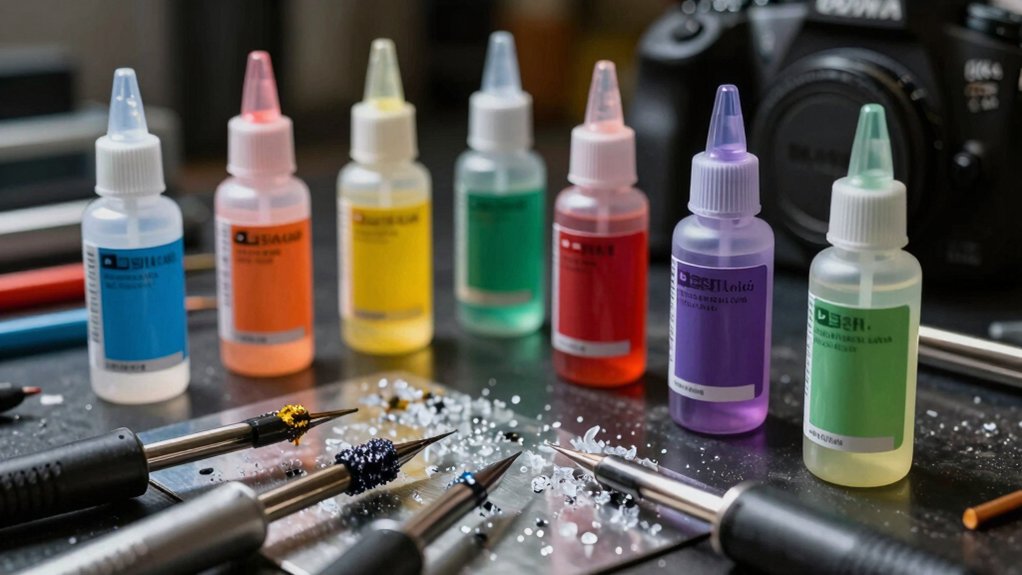

When you’re soldering, you’ll find that choosing the right liquid flux makes the difference between clean joints and frustrating failures. You’ve got several options—rosin-based formulas for oxide removal, no-clean varieties that skip cleanup, water-based solutions for electronics work, and paste fluxes for precision application. Each type serves different projects and skill levels. Understanding what separates these seven pro-approved fluxes will help you select the ideal match for your specific soldering needs.
| Liquid Solder Flux Dropper (30ml/1oz) |

| Best Overall | Flux Type: Rosin-based (RMA – Mildly Activated) | Container Size: 30 ml (1 oz) | Application Method: Dropper bottle | VIEW LATEST PRICE | Read Our Analysis |
| Novacan Old Masters Flux – 8 Oz |

| Best For Stained Glass | Flux Type: Zinc flux | Container Size: 8 oz | Application Method: Liquid (cleanup method: water) | VIEW LATEST PRICE | Read Our Analysis |
| No Clean Liquid Soldering Flux & Desoldering Wick |

| Complete Beginner Kit | Flux Type: No Clean liquid flux | Container Size: 100 ml total (2 x 50 ml bottles) | Application Method: Dropper bottle | VIEW LATEST PRICE | Read Our Analysis |
| 4oz Water-Based Liquid Solder Flux for Electronics |
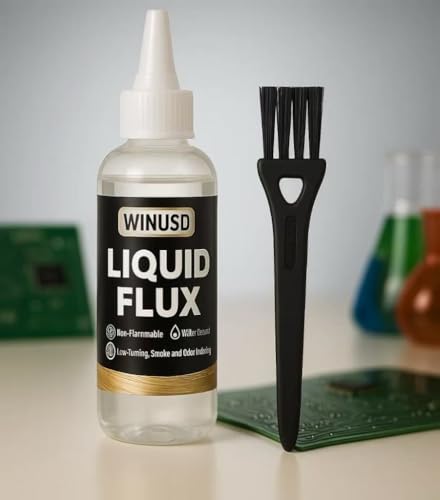
| Most Versatile | Flux Type: Water-based, no-clean flux | Container Size: 4 oz (100 ml) | Application Method: Brush applicator bottle | VIEW LATEST PRICE | Read Our Analysis |
| SRA Solder 135 Rosin Paste Soldering Flux (2oz) |
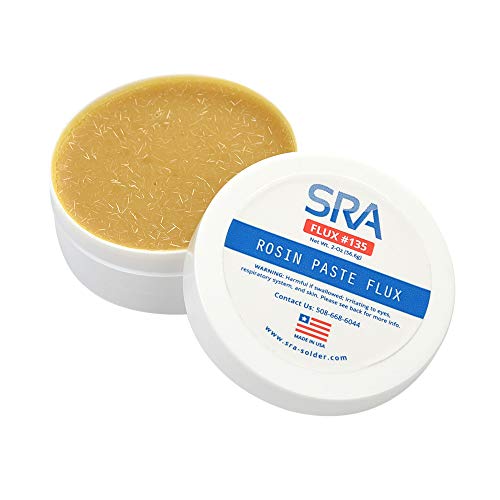
| Professional Grade | Flux Type: Rosin paste (RA – Rosin Activated) | Container Size: 2 oz (56.6 g jar) | Application Method: Semi-solid paste (dip or apply) | VIEW LATEST PRICE | Read Our Analysis |
| Desoldering Wick and Soldering Flux Paste Kit |

| Best Desoldering Solution | Flux Type: No clean flux paste | Container Size: Kit (specific volume not specified) | Application Method: Paste with wick | VIEW LATEST PRICE | Read Our Analysis |
| 8oz Liquid Solder Flux for Stained Glass |
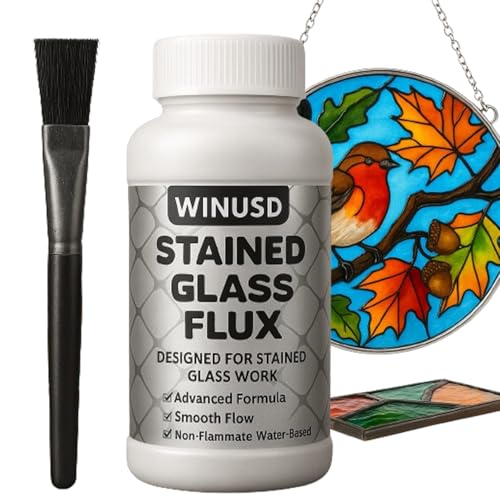
| Best Large Format | Flux Type: Water-based liquid flux | Container Size: 8 oz (200 ml) | Application Method: Liquid with included applicator | VIEW LATEST PRICE | Read Our Analysis |
More Details on Our Top Picks
Liquid Solder Flux Dropper (30ml/1oz)
Why choose a liquid flux dropper when you’re working with multiple metal types? This RMA rosin-based flux handles tin-lead, lead-free, gold, silver, and copper effectively. The 30ml dropper bottle lets you apply precise amounts to your work area, reducing waste. You’ll get smooth, shiny joints because the flux removes oxides efficiently and improves wettability. The formulation is lead-free, zinc chloride-free, and ammonium chloride-free, meeting RoHS compliance standards. Its neutral pH prevents corrosion on metal surfaces. You can use it for soldering, desoldering, rework, and reflow operations. The organic composition remains stable with low volatility, making it reliable for extended projects without odor concerns.
- Flux Type:Rosin-based (RMA – Mildly Activated)
- Container Size:30 ml (1 oz)
- Application Method:Dropper bottle
- Metal Compatibility:Tin-Lead, Lead-free, Gold, Silver, Copper
- Primary Use Case:Electronics soldering and rework
- Environmental/Safety Profile:Lead-free, zinc chloride-free, ammonium chloride-free, RoHS compliant, non-toxic
- Additional Feature:RMA rosin mildly activated formula
- Additional Feature:Neutral pH, non-corrosive surfaces
- Additional Feature:Long-use-cycle stability
Novacan Old Masters Flux – 8 Oz
If you’re working on stained glass projects and need a reliable all-purpose zinc flux that won’t create a cleanup nightmare, Novacan Old Masters Flux delivers straightforward performance. This 8-ounce container provides ample flux for multiple soldering sessions. The formula cleans up easily with water, eliminating harsh chemical solvents from your workflow. Apply the flux directly to your joints before soldering to remove oxidation and improve solder flow. The all-purpose zinc composition works across various soldering applications beyond stained glass. With 4.7 stars from over 1,500 reviews, users consistently report reliable results. The product remains widely available and hasn’t been discontinued, ensuring you can reorder when needed.
- Flux Type:Zinc flux
- Container Size:8 oz
- Application Method:Liquid (cleanup method: water)
- Metal Compatibility:Zinc, Copper
- Primary Use Case:Stained glass soldering
- Environmental/Safety Profile:Easy water cleanup
- Additional Feature:Water cleanup capability
- Additional Feature:All-purpose zinc flux
- Additional Feature:Stained glass classic formulation
No Clean Liquid Soldering Flux & Desoldering Wick
You’ll want this product if you’re tackling electronics repairs without the hassle of extensive cleanup afterward. This kit combines two 50 ml bottles of no-clean liquid flux with desoldering wick, giving you complete soldering and desoldering solutions in one package. The precision dropper allows controlled application to your work area, while the minimal residue formula reduces post-use cleaning time significantly. Use this flux for electrical soldering, aluminum work, and general metal joining tasks. The compact bottle size provides ample supply for multiple projects, making it practical for hobbyists, DIY enthusiasts, and professionals who need efficient, straightforward soldering operations without complicated cleanup procedures.
- Flux Type:No Clean liquid flux
- Container Size:100 ml total (2 x 50 ml bottles)
- Application Method:Dropper bottle
- Metal Compatibility:Electrical metals (specific types not detailed)
- Primary Use Case:Electronics soldering and desoldering
- Environmental/Safety Profile:Low residue, minimal post-use cleanup
- Additional Feature:Dual-bottle 50ml kit format
- Additional Feature:Desoldering wick included
- Additional Feature:Minimal post-use residue
4oz Water-Based Liquid Solder Flux for Electronics
This water-based, lead-free flux from WINUSD works best for anyone tackling electronics repair without specialized ventilation or equipment. You’ll apply the flux directly to circuit boards, solder joints, and metal surfaces using the included brush. The formula activates quickly to remove oxides and prevent re-oxidation during soldering. After you finish soldering, simply rinse away residue with water—no harsh chemicals required. The pH-neutral composition protects delicate components and prevents corrosion on aluminum, copper, tin, and zinc surfaces. This flux handles smartphone repairs, LED restoration, and motherboard maintenance effectively. You can work confidently knowing the non-toxic formula won’t harm your skin or emit dangerous fumes.
- Flux Type:Water-based, no-clean flux
- Container Size:4 oz (100 ml)
- Application Method:Brush applicator bottle
- Metal Compatibility:Aluminum, Zinc, Lead, Tin, Copper
- Primary Use Case:PCB repair, electronics, smartphone chips, LED circuits
- Environmental/Safety Profile:Water-based, non-toxic, halogen-free, RoHS/REACH compliant, skin-safe, acid-free
- Additional Feature:Leak-proof bottle with brush
- Additional Feature:Halogen-free, pH-neutral formula
- Additional Feature:Smartphone chip repair compatible
SRA Solder 135 Rosin Paste Soldering Flux (2oz)
SRA Solder 135 works best for hobbyists and professionals tackling electronics projects that demand clean, controlled application without the mess of liquid flux. This USA-made rosin paste flux offers superior wetting for both lead and lead-free solder on circuit boards and copper wire. The semi-solid, wax-like consistency lets you apply exactly where you need it—dip your wire or brush it onto PCB joints. As an RA-type flux, it activates between 200–600°F, making it suitable for car audio, computers, drones, Arduino, and gaming consoles. The acid-free formula leaves minimal residue, eliminating cleanup hassles while delivering reliable solder flow for electrical connections.
- Flux Type:Rosin paste (RA – Rosin Activated)
- Container Size:2 oz (56.6 g jar)
- Application Method:Semi-solid paste (dip or apply)
- Metal Compatibility:Lead and Lead-free solder
- Primary Use Case:Circuit boards, electrical wire, DIY electronics
- Environmental/Safety Profile:Acid-free, USA quality
- Additional Feature:Semi-solid wax-like consistency
- Additional Feature:Active temperature range 200–600°F
- Additional Feature:USA quality flux standard
Desoldering Wick and Soldering Flux Paste Kit
When you’re working on circuit board repairs and need to remove solder quickly without damaging nearby components, a desoldering wick paired with no clean flux paste offers the most practical solution. The no clean flux paste removes oxide layers on solder surfaces, enabling efficient removal. Apply the flux paste directly to your target solder joint, then press the desoldering wick onto the area. The wick absorbs the melted solder as your soldering iron heats it. This kit minimizes residue left behind, reducing your cleanup time markedly. Since technicians trust this combination for consistent results across various electronics projects, you’ll achieve reliable desoldering performance without extensive post-repair cleaning.
- Flux Type:No clean flux paste
- Container Size:Kit (specific volume not specified)
- Application Method:Paste with wick
- Metal Compatibility:General electronics repair (metals not specified)
- Primary Use Case:Electronics circuit board desoldering and repair
- Environmental/Safety Profile:No clean formula, low residue
- Additional Feature:All-in-one repair solution
- Additional Feature:Wick removes oxide layers
- Additional Feature:Technician-trusted brand reliability
8oz Liquid Solder Flux for Stained Glass
For stained glass work, do you need a flux that won’t create excessive smoke or leave stubborn residue behind? The WINUSD 8oz liquid solder flux delivers exactly that. This water-based formula removes oxides and impurities, ensuring stronger bonds and cleaner welds on copper, zinc, and lead materials. The included applicator lets you distribute flux precisely where you need it. After soldering, you’ll wash away residue with water—no harsh chemicals required. Beginners and professionals alike rely on this low-fuming, non-irritating option for stained glass projects and electrical repairs. Its environmental friendliness and easy cleanup make it a practical choice for your workshop.
- Flux Type:Water-based liquid flux
- Container Size:8 oz (200 ml)
- Application Method:Liquid with included applicator
- Metal Compatibility:Copper, Zinc, Lead, Tin, Copper foil
- Primary Use Case:Stained glass and electrical repair
- Environmental/Safety Profile:Water-based, low fuming, non-irritating to skin, environmentally friendly, washable
- Additional Feature:Included applicator for distribution
- Additional Feature:Low fuming, minimal odor
- Additional Feature:Beginner and professional suitable
Factors to Consider When Choosing Liquid Flux for Soldering
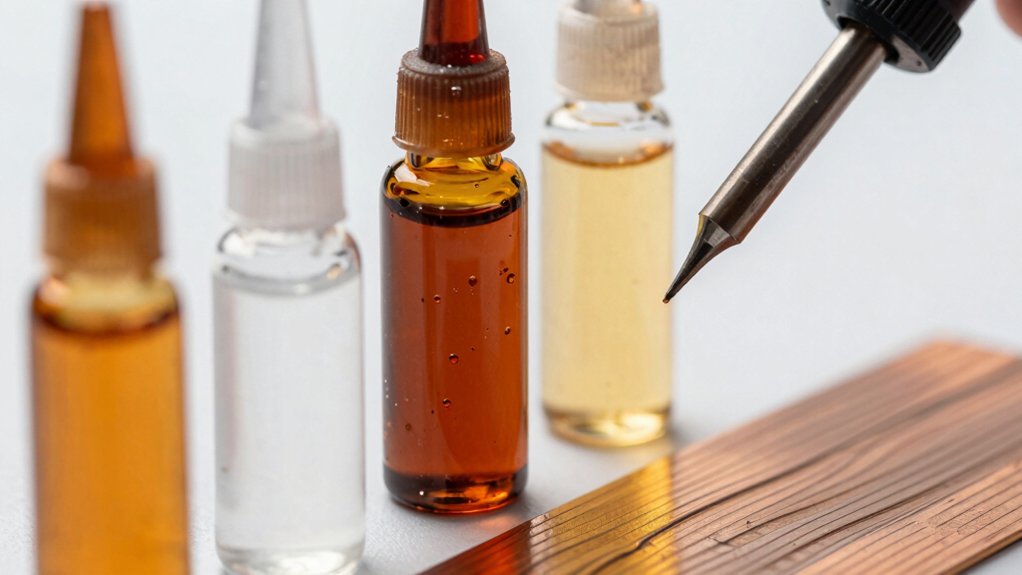
When you’re selecting liquid flux for soldering, you’ll need to evaluate several key factors: the flux type and formulation that matches your specific metals, the compatibility with the alloys you’re working with, the amount of residue the flux leaves behind and how difficult it is to clean, the safety hazards and environmental concerns of the product, and the application method that gives you the precision control you need. Each flux type—whether rosin-based, water-soluble, or no-clean—performs differently depending on whether you’re soldering copper, stainless steel, or other metals, so you should verify compatibility before purchasing. You’ll also want to consider cleanup requirements, since some fluxes leave corrosive residues that demand thorough cleaning while others leave minimal cleanup needs, and you should review the safety data sheet for ventilation needs and disposal guidelines before starting your work.
Flux Type and Formulation
How do you know which flux formulation will work best for your soldering project?
Start by identifying your soldering type and metal compatibility needs. If you’re working with leaded or lead-free solder, rosin mildly activated (RMA) flux provides effective oxide removal with minimal corrosiveness. For projects requiring minimal cleanup, no-clean fluxes leave residues that need little post-solder attention, improving efficiency. When cleanup matters, water-based fluxes dissolve easily with water and offer non-toxic, halogen-free properties.
Next, match the flux to your metals. Different formulations work optimally with tin-lead, copper, gold, silver, and zinc. Check the flux specifications for metal compatibility to ensure proper wetting and joint quality. This compatibility directly affects your solder joint reliability and appearance. Select your flux type based on these practical requirements rather than preference alone.
Metal Compatibility and Alloys
Which metals are you planning to solder? Your choice determines which flux works best. Different fluxes target specific metals and alloys. Tin-lead joints require different flux activity levels than lead-free alloys. Gold, silver, and copper each have compatibility requirements you must match.
Water-based fluxes work well on copper, zinc, lead, tin, and aluminum surfaces. They clean up easily with water afterward. Rosin fluxes provide reliable joints on various alloys with minimal residue remaining.
Check the flux’s activity rating, such as RA rosin mildly activated, which influences how effectively it removes oxides at your soldering temperature. Match the flux’s rated metals to your project metals. This ensures proper wetting and joint quality.
Residue Levels and Cleanup
After you’ve matched your flux to the metals you’re soldering, you’ll need to contemplate what happens after the joint cools. Residue levels determine your cleanup effort and affect rework reliability. No-clean fluxes leave minimal residue requiring little to no cleaning, making them ideal for tight schedules. RMA fluxes generate moderate residues you can easily wipe away or rinse with water. Water-based fluxes wash off quickly with water, reducing cleanup time significantly. Low-residue formulations shorten cleaning steps and lower re-oxidation risks on joints. However, high-residue flux demands extensive cleaning before rework; inadequate cleanup causes reverse-wetting issues during subsequent soldering. Evaluate your production timeline and rework frequency when selecting flux. Choose no-clean or water-based options if you need fast turnaround or frequent rework opportunities.
Safety and Environmental Impact
Most professionals prioritize safety and environmental compliance when selecting liquid flux, as your choice directly affects workplace exposure, waste handling, and regulatory compliance. Choose RoHS-compliant fluxes labeled non-toxic, low-odor, and low-volatility to minimize inhalation risks. Water-based or organic rosin fluxes reduce corrosive byproducts compared to chloride-containing alternatives. Verify halogen-free formulations that contain no ammonium chloride or zinc chloride, which release toxic fumes during heating. Select neutral pH or non-corrosive formulas to prevent metal damage and hazardous waste generation. Review product labels for sustainability claims such as environmentally friendly, skin-safe, and easy cleanup capabilities. These specifications lower occupational exposure, reduce environmental persistence, and simplify waste disposal procedures. Prioritizing these factors ensures your soldering operations meet safety standards while protecting your team and the environment.
Application Method and Precision
Once you’ve secured a flux that meets safety standards, your next step is selecting an application method that matches your soldering work. For small or densely packed joints, use a dropper to deliver flux with precision and minimal quantity. A brush works well for larger surface areas where you need controlled coverage. Desoldering wick with flux paste targets specific joints for oxide removal without excess spread. Your choice directly impacts cleanup time and component protection. Bottle design and applicator type also affect consistency across multiple joints. For high-precision work, choose no-clean formulas with low residue to avoid interfering with adjacent components. Match your application method to your project’s complexity and joint density for optimal results.
Temperature Range and Performance
How well does your flux perform at your soldering temperature? You need to match your flux’s activation range to your solder alloy and process requirements. RA rosin paste flux activates around 93–315°C, making it suitable for tin-lead solders that melt at lower temperatures. Lead-free solders require higher heat and demand fluxes with activation temperatures above 240°C to maintain wettability and oxide removal throughout the process. Check your flux’s technical datasheet for the active temperature window before selecting it. If you’re performing rework or hot-work applications, choose fluxes designed to sustain activity at elevated temperatures. This prevents premature passivation and ensures consistent joint quality. Mismatched temperature ranges result in poor wetting, weak joints, and increased cleaning demands afterward.
Final Thoughts
You’ll choose your liquid flux based on your soldering needs. For general electronics work, you can’t go wrong with water-based flux—it rinses easily and produces low fumes. If you’re doing stained glass or need minimal cleanup, grab a no-clean option. For precise applications, use a rosin-based dropper. Match your flux type to your project, apply it correctly, and you’ll consistently achieve clean, reliable solder joints.

Meet Ry, “TechGuru,” a 36-year-old technology enthusiast with a deep passion for tech innovations. With extensive experience, he specializes in gaming hardware and software, and has expertise in gadgets, custom PCs, and audio.
Besides writing about tech and reviewing new products, he enjoys traveling, hiking, and photography. Committed to keeping up with the latest industry trends, he aims to guide readers in making informed tech decisions.