

When you’re shopping for a work laptop, you’ll want to focus on what actually matters: reliability, battery life, and a keyboard you can use all day. Skip the gaming specs and flashy features that drain your wallet and battery. Instead, look for a machine with solid processing power, enough RAM for multitasking, and a durable build. But which specific models deliver all three? Let’s examine your best options.
| NIMO 15.6″ IPS FHD Laptop with AMD Ryzen 5 |

| Best Overall | Display Size: 15.6″ Full HD IPS | Processor Type: AMD Ryzen 5 (4-core) | RAM: 8 GB DDR4 (upgradable to 64 GB) | VIEW LATEST PRICE | Read Our Analysis |
| Acer Aspire Go 15 AI Ready Laptop (AG15-21P-R5YG) |
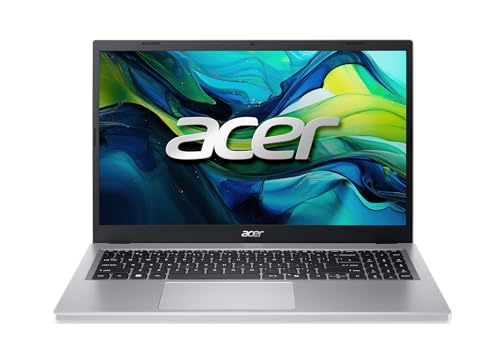
| AI-Ready Pick | Display Size: 15.6″ Full HD IPS | Processor Type: AMD Ryzen 3 7320U | RAM: 8 GB LPDDR5 | VIEW LATEST PRICE | Read Our Analysis |
| HP 14 Laptop Intel Celeron N4020 64GB |
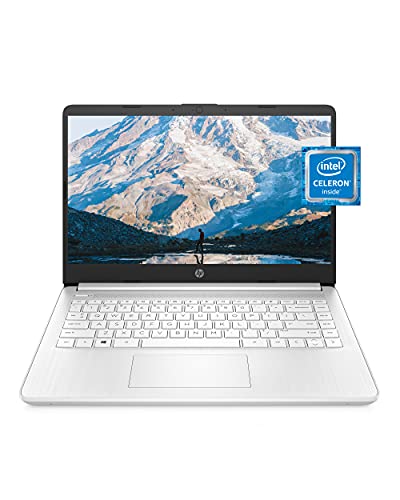
| Budget-Friendly Option | Display Size: 14″ HD | Processor Type: Intel Celeron N4020 (dual-core) | RAM: 4 GB | VIEW LATEST PRICE | Read Our Analysis |
More Details on Our Top Picks
NIMO 15.6″ IPS FHD Laptop with AMD Ryzen 5
The NIMO 15.6″ IPS FHD Laptop stands out for professionals who need reliable performance without gaming features. You’ll get an AMD Ryzen 5 processor with four cores running up to 3.7 GHz, which handles productivity tasks smoothly. The 8 GB RAM and 256 GB SSD storage support multitasking and quick file access. Its 15.6-inch IPS display delivers sharp visuals at 1920×1080 resolution with an anti-glare coating. You can upgrade RAM up to 64 GB using two slots. The backlit keyboard and fingerprint touchpad enhance your workflow efficiency. At 3.75 pounds, you’ll transport it easily between locations. Wi-Fi 6 and USB-C connectivity keep you connected. The 53.58 Wh battery provides nine hours of work time, and the included 65W charger gets you two hours of use in just fifteen minutes.
- Display Size:15.6″ Full HD IPS
- Processor Type:AMD Ryzen 5 (4-core)
- RAM:8 GB DDR4 (upgradable to 64 GB)
- Storage Capacity:256 GB PCIe SSD
- Operating System:Windows 11 Home
- Wireless Connectivity:Wi-Fi 6, Bluetooth 5.2
- Additional Feature:Fingerprint touchpad security login
- Additional Feature:9-hour battery life
- Additional Feature:Backlit adjustable keyboard
Acer Aspire Go 15 AI Ready Laptop (AG15-21P-R5YG)
Looking for a laptop that handles everyday work tasks without breaking your budget? The Acer Aspire Go 15 delivers solid performance with its AMD Ryzen 3 7320U processor, 8GB memory, and 128GB SSD. The 15.6″ Full HD display provides clear visuals for spreadsheets and documents. Windows 11 Home includes Copilot for AI-assisted productivity across applications. You’ll access battery management and performance optimization through AcerSense. The dual USB Type-C ports support both charging and external devices. Wi-Fi 6 ensures reliable connectivity. Exceptional battery life keeps you working through extended shifts without frequent charging. Acer PurifiedVoice and TNR technology enhance video call quality for remote meetings.
- Display Size:15.6″ Full HD IPS
- Processor Type:AMD Ryzen 3 7320U
- RAM:8 GB LPDDR5
- Storage Capacity:128 GB PCIe SSD
- Operating System:Windows 11 Home in S Mode
- Wireless Connectivity:Wi-Fi 6
- Additional Feature:Copilot AI assistant integration
- Additional Feature:Acer BluelightShield eye protection
- Additional Feature:AcerSense performance optimization button
HP 14 Laptop Intel Celeron N4020 64GB
Need reliable everyday computing without breaking the bank? The HP 14 delivers practical performance for work tasks. Its Intel Celeron N4020 processor handles email, document editing, and web browsing efficiently. The 14-inch HD display with 79% screen-to-body ratio maximizes your workspace. You’ll get 64GB storage for files and applications, paired with 4GB RAM for multitasking basics. Windows 11 Home comes pre-installed with one year of Microsoft 365 included. The thin, light design makes portability easy for moving between locations. Intel UHD Graphics 600 supports video streaming and light multimedia work. This laptop prioritizes value and power efficiency over high-performance gaming, making it ideal for professional tasks.
- Display Size:14″ HD
- Processor Type:Intel Celeron N4020 (dual-core)
- RAM:4 GB
- Storage Capacity:64 GB embedded storage
- Operating System:Windows 11 Home
- Wireless Connectivity:Not specified
- Additional Feature:4K content streaming capable
- Additional Feature:Microsoft 365 one-year included
- Additional Feature:Micro-edge bezel design
Factors to Consider When Choosing Non-Gaming Laptops
Before you choose a non-gaming laptop, you’ll need to assess your performance needs, evaluate display quality, check battery life expectations, consider portability and weight, and determine your storage capacity requirements. Start by identifying what tasks you’ll perform most—whether that’s email, spreadsheets, or video editing—because this determines the processor power you’ll actually need. Next, examine each laptop’s screen size and resolution, how long its battery lasts on a full charge, how much it weighs for transport, and how much storage space comes built-in or available for upgrades.
Performance Needs Assessment
What work’ll you actually do on your laptop? Match your processor choice to your specific tasks. For light browsing, email, and document editing, a 4-core Ryzen 3 or Celeron with 8 GB RAM handles the job. If you’re multitasking with multiple applications simultaneously, upgrade to a Ryzen 5 with 16 GB RAM for smoother performance. Check your storage needs: 256 GB SSD suits basic work, while 512 GB accommodates larger files and software. Assess your display requirements—video editing and design work benefit from better color accuracy and resolution. Review maximum supported RAM to ensure you can upgrade later without replacing the entire laptop. This forward-planning prevents performance bottlenecks as your workload grows.
Display Quality Matters
How you’ll spend hours staring at your laptop screen makes display quality one of your most important purchasing decisions. You’ll want an IPS panel over a TN panel because it gives you wider viewing angles and more accurate colors. Look for at least Full HD resolution (1920×1080), and consider higher resolutions if you’re doing photo or video work. Check the color accuracy—aim for 100% sRGB or better. Brightness matters too; higher nits help you work outdoors or in bright rooms. You should also examine the contrast ratio, which affects how well dark images display. Finally, choose a matte or anti-glare finish to reduce reflections during long coding or reading sessions, improving your overall comfort and productivity.
Battery Life Expectations
Once you’ve locked in your display preferences, battery life becomes your next practical concern for work sessions away from power outlets. Check the watt-hour (Wh) capacity first—larger batteries extend runtime between charges. Next, examine the CPU and GPU efficiency ratings, as power-hungry processors drain batteries faster. Consider your typical workload: web browsing and document editing deliver longer runtimes than video rendering or intensive tasks. Review the charger’s wattage too; higher-wattage USB-C Power Delivery chargers reduce downtime significantly. Keep in mind that real-world battery life differs from manufacturer estimates due to screen brightness, background applications, and connected peripherals. Test the laptop’s endurance under your actual working conditions before committing to ensure it meets your daily productivity demands.
Portability And Weight
When you’re selecting a work laptop, weight and size directly impact your mobility and comfort during daily use. Look for models weighing between 3 and 4 pounds if you commute regularly or travel frequently. Evaluate the chassis material and rigidity to ensure durability against bumps and drops you’ll encounter while moving. Consider the display size relative to the overall device dimensions—larger screens add weight and bulk but provide more workspace. Check port availability on slimmer models, as thin profiles often limit connectivity options you might need. Balance these factors against your specific work requirements. A lighter laptop with adequate ports and sturdy construction offers the best combination for portable productivity without sacrificing functionality or reliability.
Storage Capacity Requirements
After you’ve settled on a portable laptop that fits your mobility needs, you’ll want to examine how much storage space you actually require for your work. Start by evaluating your typical files: basic tasks like word processing and spreadsheets need only 128 GB. However, if you work with photos, videos, or large software applications, choose 256 GB minimum. For future flexibility, consider 512 GB or 1 TB, especially if you plan expanding your local library. Beyond capacity, prioritize SSDs over HDDs—they boot faster and load applications quicker, improving your daily productivity. Even with cloud storage available, maintain adequate local space to prevent performance slowdowns when working offline or handling heavy workloads simultaneously.
Budget And Value
How much should you spend on a work laptop? Balance your budget against performance needs. Budget-focused models with lower-tier CPUs and integrated graphics cost less but deliver adequate performance for office tasks. Prioritize upgrades strategically: invest in 8–16 GB RAM and 256–512 GB SSDs, which significantly boost responsiveness without steep price increases. Consider your operating system choice—Windows 11 Home in S Mode costs less upfront than standard Home but limits software flexibility. Evaluate warranty options and brand reputation carefully. Extended warranties and proven build quality reduce long-term costs by minimizing failures and replacements. Calculate total cost of ownership, not just purchase price, to identify genuine value. Match spending to your actual work demands rather than overpaying for unnecessary gaming-grade components.
Connectivity And Ports
What ports and wireless standards does your work laptop actually need? Start by checking for multiple USB ports, including at least one USB-C port, which handles both charging and data transfer simultaneously. Next, verify the laptop includes at least one HDMI output for connecting external displays. Look for dual full-function USB-C ports if you regularly connect multiple devices at once.
For wireless connectivity, confirm your laptop supports Wi-Fi 6 and Bluetooth 5.x or newer. These standards deliver faster, more reliable connections than older versions. If you frequently present to projectors or monitors, consider models with AI-enhanced compatibility features that simplify multi-device setups.
Review each port’s specifications carefully. Test connections with your existing peripherals before purchasing to ensure compatibility with your specific work equipment.
Final Thoughts
You’ve reviewed three solid non-gaming laptops suited for work. Now match your choice to your actual needs: pick the NIMO or Acer if you need portability and all-day battery, or choose the HP if you’re primarily stationary and budget-conscious. Check each model’s keyboard comfort by testing it if possible. Verify the warranty and return policy before purchasing. Your decision should balance processing power, battery life, and price against your specific work demands.

Meet Ry, “TechGuru,” a 36-year-old technology enthusiast with a deep passion for tech innovations. With extensive experience, he specializes in gaming hardware and software, and has expertise in gadgets, custom PCs, and audio.
Besides writing about tech and reviewing new products, he enjoys traveling, hiking, and photography. Committed to keeping up with the latest industry trends, he aims to guide readers in making informed tech decisions.