
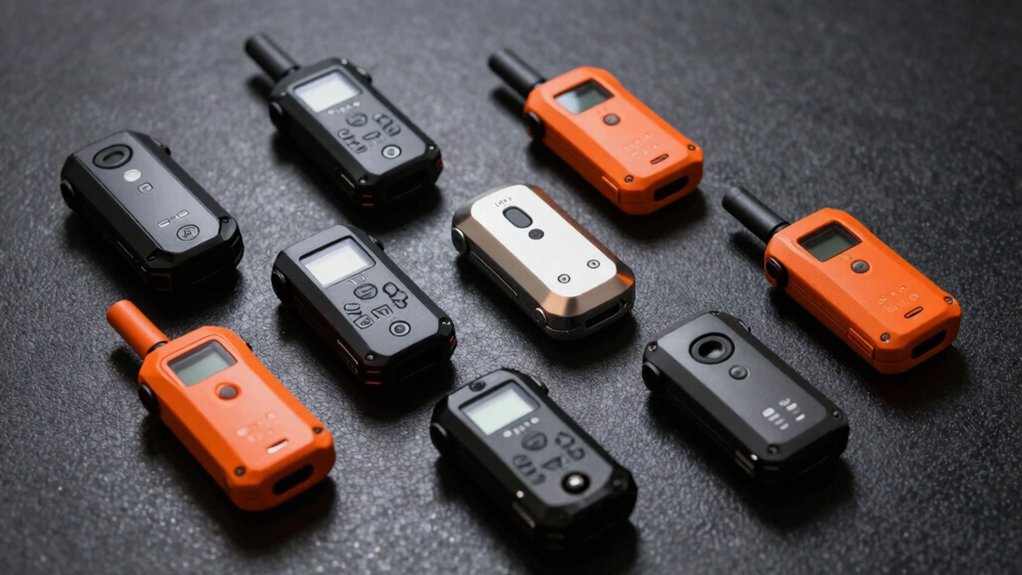

When you’re in remote terrain or open water, a personal locator beacon (PLB) can be your lifeline to rescue. You’ll need to understand how these devices work: they transmit your GPS coordinates to search-and-rescue teams via satellite. The best models offer global coverage, reliable battery life, and durable waterproof construction. Choosing the right beacon depends on your environment and specific needs—but what features matter most?
| ACR ResQLink 400 Personal Locator Beacon with GPS |

| Best Overall | Primary Function: SOS personal locator beacon with GPS | Global Coverage/Service Area: Global via Cospas-Sarsat and MEOSAR satellites | Emergency Alert Type: 406 MHz distress and homing signals | VIEW LATEST PRICE | Read Our Analysis |
| ACR ResQLink 400 GPS Personal Locator Beacon |

| Complete Emergency Kit | Primary Function: Personal locator beacon kit with accessories | Global Coverage/Service Area: Global coverage | Emergency Alert Type: 406 MHz distress beacon | VIEW LATEST PRICE | Read Our Analysis |
| McMurdo FastFind 220 Personal Locator Beacon – US Programming |

| US-Focused Reliability | Primary Function: Personal locator beacon pre-programmed for US | Global Coverage/Service Area: Worldwide with US registration | Emergency Alert Type: 406/121.5 MHz emergency transmission | VIEW LATEST PRICE | Read Our Analysis |
| Nautilus LifeLine Marine Rescue GPS nexGen |

| Marine-Specific Solution | Primary Function: Marine rescue GPS distress alert system | Global Coverage/Service Area: Worldwide (functionality may vary) | Emergency Alert Type: DSC digital distress alert to VHF radios | VIEW LATEST PRICE | Read Our Analysis |
| Jotron Tron SA20 PLB Personal Locator Beacon GPS |

| Long-Battery Champion | Primary Function: Personal locator beacon with GPS tracking | Global Coverage/Service Area: Worldwide distress signaling | Emergency Alert Type: 406/121.5 MHz emergency transmission | VIEW LATEST PRICE | Read Our Analysis |
| ZOLEO Satellite Communicator SMS Messenger & SOS Alert |
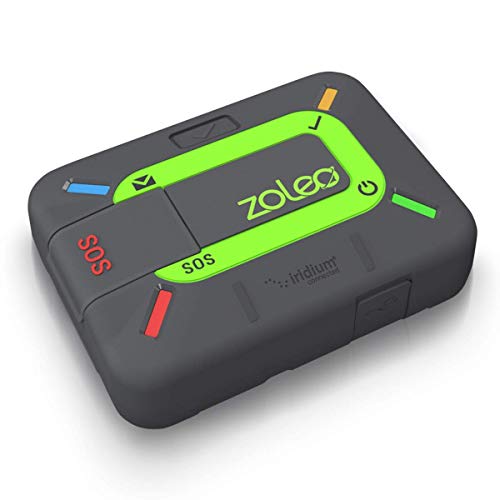
| Two-Way Messaging | Primary Function: Satellite communicator with 2-way messaging | Global Coverage/Service Area: Global via Iridium satellite network | Emergency Alert Type: SOS alert to 24/7 monitoring center | VIEW LATEST PRICE | Read Our Analysis |
| Garmin inReach Mini 2 Satellite Communicator (010-02602-00) |

| Adventure Integration | Primary Function: Satellite communicator with 2-way messaging | Global Coverage/Service Area: Global via satellite subscription | Emergency Alert Type: Interactive SOS globally | VIEW LATEST PRICE | Read Our Analysis |
| Bushnell Backtrack Point-3 Personal GPS Locator (Gray) |
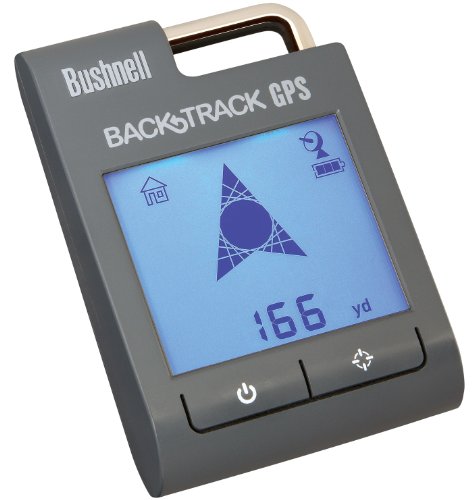
| Budget-Friendly Pick | Primary Function: Personal GPS locator for waypoint storage | Global Coverage/Service Area: GPS locator (local/regional use) | Emergency Alert Type: Manual waypoint storage (no emergency alert) | VIEW LATEST PRICE | Read Our Analysis |
| LandAirSea 54 GPS Tracker Waterproof Global Tracking |

| Asset Tracking Leader | Primary Function: Real-time GPS asset tracker | Global Coverage/Service Area: Global 4G LTE tracking | Emergency Alert Type: Geofencing alerts (no emergency alert) | VIEW LATEST PRICE | Read Our Analysis |
| Backcountry Access Tracker 3 |
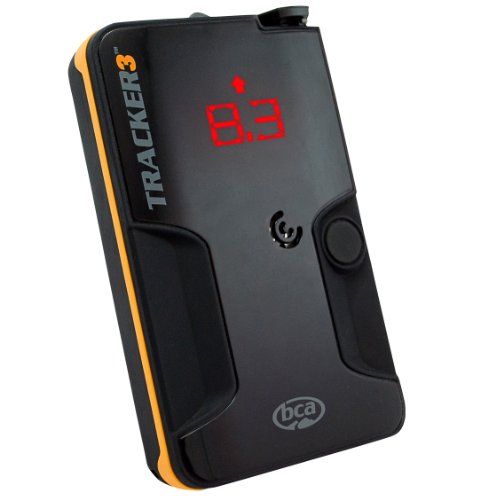
| Avalanche Specialist | Primary Function: Avalanche beacon for backcountry rescue | Global Coverage/Service Area: Regional avalanche rescue (North American/European) | Emergency Alert Type: Motion-activated RF signal (avalanche rescue only) | VIEW LATEST PRICE | Read Our Analysis |
More Details on Our Top Picks
ACR ResQLink 400 Personal Locator Beacon with GPS
The ACR ResQLink 400 stands out for outdoor enthusiasts who need reliable emergency communication without monthly fees. This GPS-enabled beacon transmits distress signals via the Cospas-Sarsat and MEOSAR satellite systems, pinpointing your location to search and rescue teams globally. The device weighs 5.28 ounces and measures 4.52 by 2.03 by 1.49 inches, making it portable for backpacking or boating. Its LED and infrared strobes enhance visibility during low-light rescues. The 24-hour battery life provides adequate emergency coverage. You’ll receive a 5-year warranty and can return it within 30 days if needed. Included clips attach the beacon to your belt, PFD, or gear.
- Primary Function:SOS personal locator beacon with GPS
- Global Coverage/Service Area:Global via Cospas-Sarsat and MEOSAR satellites
- Emergency Alert Type:406 MHz distress and homing signals
- Battery Life:Average 24 hours
- Device Weight:5.28 ounces
- Waterproof Rating/Durability:Water-resistant (strobe for low-light visibility)
- Additional Feature:406 MHz distress/homing signals
- Additional Feature:LED and infrared strobes
- Additional Feature:5-year limited warranty
ACR ResQLink 400 GPS Personal Locator Beacon
When you’re venturing into remote terrain where cell service won’t reach you, how’ll you call for help? The ACR ResQLink 400 GPS Personal Locator Beacon transmits your exact location to rescue authorities via satellite. This compact device includes a C-Strobe H2O rescue light for visibility, a signal mirror for daytime signaling, and a whistle for close-range attention. You’ll store these components in the included RapidDitch Drybag, keeping everything waterproof and accessible. Weighing just 0.01 ounces, the beacon fits easily into your pack. ACR Electronics backs this model with a five-year warranty, making it a dependable emergency communication tool for backcountry exploration.
- Primary Function:Personal locator beacon kit with accessories
- Global Coverage/Service Area:Global coverage
- Emergency Alert Type:406 MHz distress beacon
- Battery Life:Not specified
- Device Weight:0.01 ounces (as stated)
- Waterproof Rating/Durability:Waterproof dry bag included
- Additional Feature:Included rescue strobe light
- Additional Feature:Signal mirror and whistle
- Additional Feature:RapidDitch waterproof dry bag
McMurdo FastFind 220 Personal Locator Beacon – US Programming
Need a PLB that’ll connect you to US Search and Rescue the moment you activate it? The McMurdo FastFind 220 comes pre-programmed for US registration and works worldwide. To use it, deploy the antenna, pull the anti-tamper seal, and press ON during life-threatening emergencies only. Registration is essential—it informs SAR teams about your identity and contacts, preventing search delays. If you need registration outside the US, purchase the Rest of World version or use the free reprogramming service. Remember: false alerts endanger lives and carry penalties. Use this device only when genuine danger threatens your life.
- Primary Function:Personal locator beacon pre-programmed for US
- Global Coverage/Service Area:Worldwide with US registration
- Emergency Alert Type:406/121.5 MHz emergency transmission
- Battery Life:Not specified
- Device Weight:Not specified
- Waterproof Rating/Durability:Suitable for remote/treacherous conditions
- Additional Feature:US pre-programmed registration
- Additional Feature:Free reprogramming service available
- Additional Feature:Antenna deployment activation system
Nautilus LifeLine Marine Rescue GPS nexGen
Nautilus LifeLine Marine Rescue GPS nexGen’s marine-specific solution excels for boaters who need reliable emergency communication on the water. This device sends distress alerts for emergencies and position advisories for non-emergencies worldwide. It alerts AIS-equipped vessels and those with VHF DSC radios within rescue range. You can also send DSC alerts directly to specific boats. The GPS position accuracy reaches 1 meter using VHF radio waves. It’s waterproof to 425 feet with the outer lid closed and weighs just 4.6 ounces. Functionality may vary in some European countries.
- Primary Function:Marine rescue GPS distress alert system
- Global Coverage/Service Area:Worldwide (functionality may vary)
- Emergency Alert Type:DSC digital distress alert to VHF radios
- Battery Life:Not specified
- Device Weight:4.6 ounces with batteries
- Waterproof Rating/Durability:IP68 watertight; depth-rated to 425 feet
- Additional Feature:DSC alert to vessels
- Additional Feature:1-meter GPS accuracy
- Additional Feature:425-foot depth rating
Jotron Tron SA20 PLB Personal Locator Beacon GPS
The Jotron Tron SA20 stands out as the long-battery champion for mariners and remote adventurers who can’t afford frequent device maintenance. This SOLAS-approved beacon transmits distress signals on 406/121.5 MHz globally and includes integrated GPS with Galileo support for precise location tracking. The 11-year battery lifespan eliminates regular replacements. You’ll receive Return Link Service confirmation when rescuers receive your signal. The waterproof design handles maritime and land environments. Setup involves US registration, which speeds rescue response by connecting your device to your identity and travel plans. You can reprogram the device free of charge after purchase if your region changes. NFC connectivity lets you check device status via smartphone.
- Primary Function:Personal locator beacon with GPS tracking
- Global Coverage/Service Area:Worldwide distress signaling
- Emergency Alert Type:406/121.5 MHz emergency transmission
- Battery Life:11-year battery lifespan
- Device Weight:Not specified
- Waterproof Rating/Durability:Waterproof construction
- Additional Feature:11-year battery lifespan
- Additional Feature:Integrated NFC smartphone readout
- Additional Feature:SOLAS approved certification
ZOLEO Satellite Communicator SMS Messenger & SOS Alert
Want reliable two-way messaging when you’re beyond cellular range? ZOLEO lets you text and email via Iridium satellite using your smartphone. The device routes messages through the lowest-cost available network—cellular, Wi-Fi, or satellite. You’ll get a dedicated SMS number and email address for off-grid contacts. Check-ins include GPS coordinates at no extra cost. For emergencies, press the SOS button to alert a 24/7 monitoring center with your exact location. The rugged IP68-rated device lasts over 200 hours on battery. Monthly airtime plans start at $20, covering unlimited SOS alerts, check-ins, and Wi-Fi messages. Optional Field Rescue Membership provides immediate medical coverage and transport if needed.
- Primary Function:Satellite communicator with 2-way messaging
- Global Coverage/Service Area:Global via Iridium satellite network
- Emergency Alert Type:SOS alert to 24/7 monitoring center
- Battery Life:Over 200 hours
- Device Weight:0.75 pounds (12 ounces)
- Waterproof Rating/Durability:IP68 rugged design
- Additional Feature:2-way satellite messaging capability
- Additional Feature:200+ hour battery life
- Additional Feature:Optional travel risk management
Garmin inReach Mini 2 Satellite Communicator (010-02602-00)
Looking for a compact communicator that integrates seamlessly into your adventures? The Garmin inReach Mini 2 delivers two-way messaging and interactive SOS capabilities globally with an active satellite subscription. You’ll sync it with the Garmin Explore app to plan trips, create waypoints, and manage courses before heading out. The device pairs with compatible Garmin wearables and handhelds, letting you send messages and trigger SOS alerts directly from your wrist. Its digital compass provides heading information even when stationary, while TracBack routing guides you back to your starting point. With water-resistant construction and up to 14 days of battery life in 10-minute tracking mode, you’re equipped for extended outdoor expeditions. Note that some jurisdictions restrict satellite communicators, so verify local regulations before purchasing.
- Primary Function:Satellite communicator with 2-way messaging
- Global Coverage/Service Area:Global via satellite subscription
- Emergency Alert Type:Interactive SOS globally
- Battery Life:Up to 14 days in 10-minute tracking mode
- Device Weight:Not specified (lightweight/compact noted)
- Waterproof Rating/Durability:Water resistant
- Additional Feature:TracBack routing to start
- Additional Feature:Syncs with Garmin Explore
- Additional Feature:Digital compass with heading
Bushnell Backtrack Point-3 Personal GPS Locator (Gray)
Bushnell’s budget-friendly Point-3 works well for anyone who regularly loses their way outdoors or struggles to relocate parked vehicles. The device stores up to three locations using its high-sensitivity GPS receiver. You mark waypoints at your car, campsite, or fishing spot, then activate the unit to display distance and direction to each saved location. The compact design fits easily in your pocket or attaches to your backpack. Its large backlit LCD screen shows clear directional data, and two buttons control all functions. The unit runs on two AAA batteries and includes a fastening ring for secure carrying.
- Primary Function:Personal GPS locator for waypoint storage
- Global Coverage/Service Area:GPS locator (local/regional use)
- Emergency Alert Type:Manual waypoint storage (no emergency alert)
- Battery Life:2 AAA batteries (duration not specified)
- Device Weight:10 grams (0.35 ounces)
- Waterproof Rating/Durability:Weather resistant
- Additional Feature:Store three locations
- Additional Feature:Self-calibrating digital compass
- Additional Feature:Large backlit LCD screen
LandAirSea 54 GPS Tracker Waterproof Global Tracking
The LandAirSea 54 stands out as an asset tracking leader for anyone needing real-time vehicle or equipment monitoring. This waterproof GPS tracker updates your location every three seconds via 4G LTE connectivity. You’ll access tracking through a web portal or mobile app compatible with iOS and Android devices. The magnetic design lets you attach it discreetly to vehicles, ATVs, or golf carts. Set geofences to receive alerts when assets enter or leave designated areas. Battery life reaches thirty days on a single charge, and motion-activated sleep mode preserves power when your asset remains stationary. Subscriptions are required; you’ll choose from flexible monthly plans with no contracts.
- Primary Function:Real-time GPS asset tracker
- Global Coverage/Service Area:Global 4G LTE tracking
- Emergency Alert Type:Geofencing alerts (no emergency alert)
- Battery Life:Up to 30 days typical
- Device Weight:0.3 pounds (4.8 ounces)
- Waterproof Rating/Durability:Waterproof with magnetic design
- Additional Feature:3-second update tracking speed
- Additional Feature:Geofencing and alert notifications
- Additional Feature:1-year location history playback
Backcountry Access Tracker 3
Backcountry Access built this avalanche specialist beacon for backcountry skiers and snowboarders who need reliable rescue equipment. The Tracker 3 operates at 457 kHz frequency with a 50-meter range, using three AAA alkaline batteries that provide roughly 200 hours of transmit time. You’ll activate motion detection to begin searching, and the RF connectivity allows seamless device pairing. Weighing 7.6 ounces with batteries included, this lightweight option fits easily into your pack. The beacon delivers certified North American and European compliance, ensuring you’re equipped with rescue-grade technology for backcountry adventures.
- Primary Function:Avalanche beacon for backcountry rescue
- Global Coverage/Service Area:Regional avalanche rescue (North American/European)
- Emergency Alert Type:Motion-activated RF signal (avalanche rescue only)
- Battery Life:~200 hours transmit or ~50 hours search mode
- Device Weight:7.6 ounces with batteries; 3.5 ounces harness
- Waterproof Rating/Durability:Certified North American and European norms
- Additional Feature:457 kHz avalanche rescue frequency
- Additional Feature:50-meter search range
- Additional Feature:Motion-activated battery preservation
Factors to Consider When Choosing a Personal Locator GPS Beacon
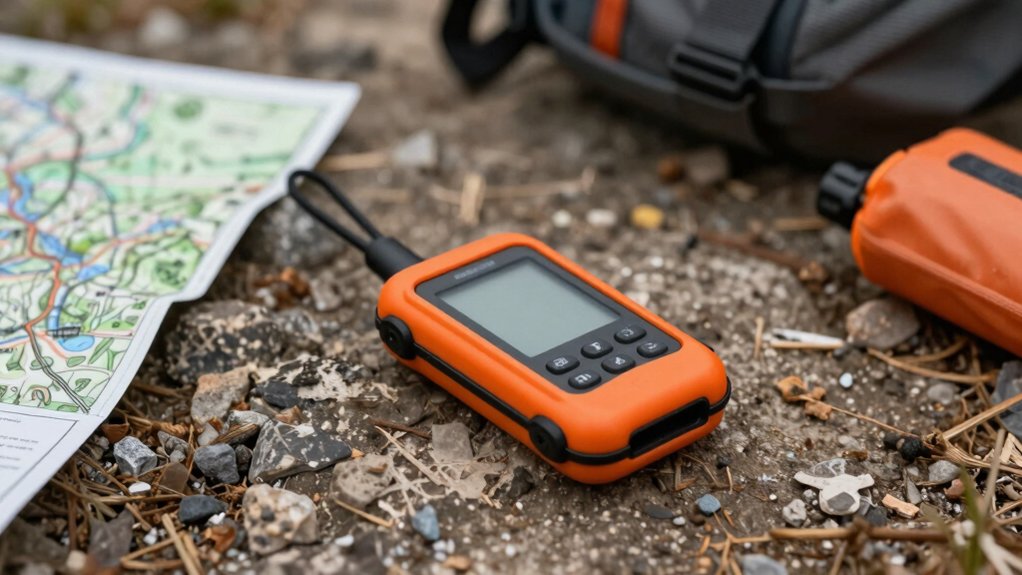
When you’re selecting a personal locator GPS beacon, you need to evaluate five critical factors: global coverage and connectivity to ensure rescue teams can locate you anywhere, battery life and durability to keep the device functioning in harsh conditions, activation speed and reliability so you can send distress signals quickly without failure, registration and regional requirements that vary by country and jurisdiction, and additional safety features like two-way messaging or fall detection that enhance your protection. Start by checking your intended travel locations against each beacon’s coverage map, then compare battery specifications and ruggedness ratings to match your trip duration and environment. Finally, verify the registration process for your region and list any extra features that address your specific risks, such as avalanche transceivers for backcountry skiing or medical alert capabilities for solo hiking.
Global Coverage And Connectivity
How do you guarantee your distress signal reaches rescuers no matter where you are on Earth? Choose beacons using satellite systems like Cospas-Sarsat or MEOSAR, which provide global coverage regardless of cellular networks. Look for 406 MHz distress beacons paired with 121.5 MHz homing signals—this combination allows satellites to receive your signal and relay it to rescue teams, then helps rescuers locate you precisely. Consider GPS-enabled models that transmit your exact coordinates through Galileo or standard GPS, dramatically reducing search time. Some beacons add two-way messaging through Iridium or cellular networks, letting you communicate beyond basic distress signals. Verify durability ratings like IP68 for water resistance, ensuring your beacon functions reliably in harsh marine or extreme environments where connectivity matters most.
Battery Life And Durability
Your beacon’s satellite connectivity means nothing if the battery dies before rescuers arrive, making battery life and durability equally essential to global coverage. Compare operation times across models—some offer 24 hours, while others provide multi-day or multi-year lifespans depending on usage settings. Distinguish between active distress mode, which drains power faster through continuous SOS signaling, and standby mode, which preserves battery through periodic location transmissions. Check battery capacity in mAh; higher capacity typically extends operation under similar transmission loads. Verify waterproof ratings like IP68 and rugged construction to ensure reliability during extended deployments. Evaluate power management features such as sleep modes and efficient transmit protocols, which extend usable life without sacrificing essential tracking and signaling capabilities.
Activation Speed And Reliability
What separates a lifesaving device from an expensive paperweight is how fast it’ll actually work when you need it most. You’ll activate your PLB using a pull-tab and ON switch sequence—a process that takes seconds, not minutes. Once activated, the device transmits a 406 MHz distress signal to satellite networks like Cospas-Sarsat or MEOSAR, which relay your location to rescue coordinators. The 121.5 MHz homing signal then guides SAR teams to your exact position. Before purchasing, verify that your beacon’s registration matches your region (US or Rest of World), as this affects coordination speed. Check the transmission life—most quality models broadcast for 24+ hours or longer. This ensures rescuers receive your signal consistently throughout the emergency.
Registration And Regional Requirements
When you’re purchasing a Personal Locator Beacon, registering it correctly with the right country code isn’t optional—it’s essential for rescue coordination. US-registered PLBs connect directly with US Search and Rescue authorities, while Rest of World programming routes your distress signal to appropriate regional teams. Many models allow free reprogramming after purchase, so you can adjust the country code to match your location. Incorrect registration or missing data delays rescue response significantly. Keep your registration information current, including travel contacts and identification details, because SAR teams rely on this data to interpret your beacon’s signal accurately and dispatch help faster. Choose a PLB model that supports your primary operating region before purchasing.
Additional Safety Features Included
Beyond proper registration, the features built into your PLB directly affect your chances of being found quickly. Prioritize devices with 406 MHz satellite-based distress signals and GPS positioning, which enable rescuers to locate you within minutes rather than hours. Next, evaluate visual signaling options: LED strobes and infrared strobes improve visibility during low-light or nighttime emergencies. Consider return link services (RLS) that confirm your alert was received, eliminating uncertainty during critical situations. Supplement your PLB with additional tools including rescue lights, signal mirrors, and loud whistles to attract attention from nearby searchers. Finally, select devices offering multi-communication options—SMS, email, or satellite messaging—so you can relay status updates and location checks beyond standard voice calls.
Size, Weight, And Portability
The physical dimensions and weight of your PLB directly impact how often you’ll actually carry it during outdoor activities. Compact models range from 4.5 x 2.0 x 1.5 inches to 7.1 x 6.7 x 3.3 inches, with weights between 5 and 7 ounces. Smaller units fit more easily into pockets or backpacks, while larger models may require dedicated pack space. Evaluate your typical trip duration and storage capacity before selecting a device. Check for integrated belt clips, straps, or lanyards that enable hands-free carrying and quick emergency access. Consider battery life alongside physical footprint—extended trips demand devices you can wear comfortably without frequent recharging. Durable plastic and metal enclosures provide protection but add bulk. Match your PLB’s size and weight to your specific outdoor activities and personal carrying preferences.
Warranty And Long-Term Support
How much protection should you expect after you buy a personal locator beacon? Check the warranty length first—most beacons offer either fixed periods like five years or limited replacement terms. Verify whether the manufacturer provides free reprogramming for your region or country-specific requirements after purchase. Confirm what maintenance services they include, such as battery replacements, firmware updates, or SAR coordination support. Locate authorized service centers and understand what proof of purchase you’ll need for claims. Review their customer support availability across phone, email, and chat channels, noting whether support runs 24/7 or limited hours. These details determine how well you’re protected and supported throughout your beacon’s lifespan.
Final Thoughts
You’ll want to evaluate your specific needs before selecting a beacon. Consider your typical environment—remote wilderness, ocean, or urban areas—since coverage varies. Check battery life against your trip duration. Verify the beacon transmits on 406 MHz for Cospas-Sarsat networks. Test activation procedures beforehand. Compare two-way messaging options if you need non-emergency communication. Balance weight and size against durability ratings. Register your beacon with authorities immediately after purchase.

Meet Ry, “TechGuru,” a 36-year-old technology enthusiast with a deep passion for tech innovations. With extensive experience, he specializes in gaming hardware and software, and has expertise in gadgets, custom PCs, and audio.
Besides writing about tech and reviewing new products, he enjoys traveling, hiking, and photography. Committed to keeping up with the latest industry trends, he aims to guide readers in making informed tech decisions.