
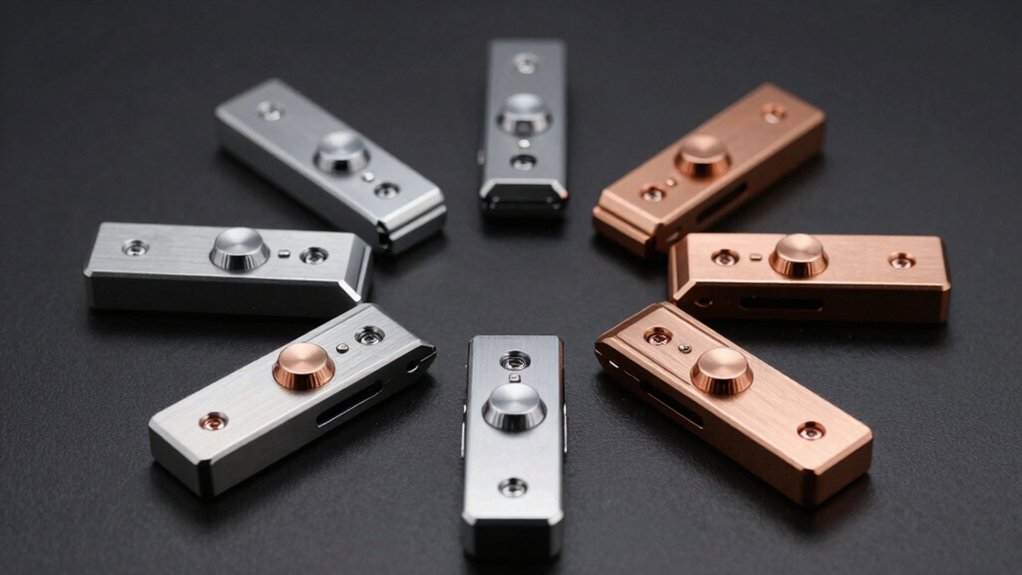

If you’re looking for a reliable way to automate repetitive clicking tasks without relying on software, physical auto keyboard clickers offer a straightforward solution. These hard-wired devices plug directly into your computer’s USB port and operate independently, requiring no drivers or complex setup. You’ll find various models with adjustable speeds, click patterns, and positioning options—each designed for different needs. But which one actually delivers the performance you need?
| Physical Click Auto Keyboard Mouse Jiggler Tool |

| Most Durable | Click Speed Range: Adjustable (specific range not specified) | Power Source: USB | Compatibility: Keyboards and mice | VIEW LATEST PRICE | Read Our Analysis |
| Physical Click Auto Keyboard Clicker Mouse Jigglier Tool |

| Most Customizable | Click Speed Range: Up to 6 clicks per second | Power Source: 5V (mobile charger, power bank, or USB) | Compatibility: All keyboards and mice (mouse requires fixing) | VIEW LATEST PRICE | Read Our Analysis |
| Pankia Box Physical Click Keyboard Auto Clicker Mouse |

| Budget-Friendly Pick | Click Speed Range: Maximum 5 clicks per second | Power Source: Not specified | Compatibility: Keyboards and mice (phone screen requires separate head) | VIEW LATEST PRICE | Read Our Analysis |
| Auto Keyboard Clicker with Mouse Jiggler |

| Best Overall | Click Speed Range: Random interval 0.1–0.9 seconds | Power Source: USB | Compatibility: Desktop, laptop, tablet keyboards | VIEW LATEST PRICE | Read Our Analysis |
| Physical Click Auto Keyboard Mouse Mover Jiggler Device |

| Most Versatile | Click Speed Range: Adjustable (specific range not specified) | Power Source: Not specified | Compatibility: Keyboards and mice | VIEW LATEST PRICE | Read Our Analysis |
| TAPDRA Computer Keyboard Auto Clicker Game Assistance Tool |
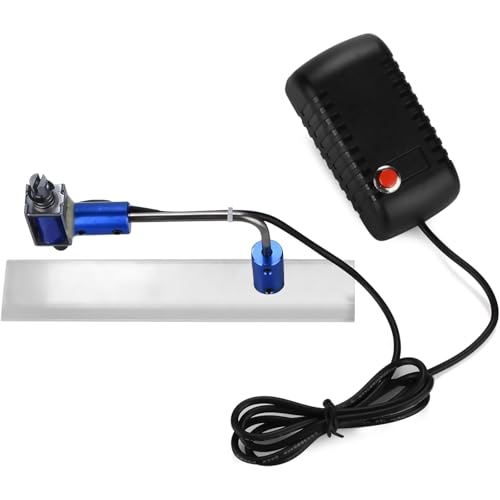
| Best For Beginners | Click Speed Range: Random 1–30 seconds (fixed intervals) | Power Source: 5V | Compatibility: All keyboard thicknesses | VIEW LATEST PRICE | Read Our Analysis |
| Physical Click Auto Keyboard Mouse Clicker Tool (A2) |

| Most Advanced | Click Speed Range: Up to 5 clicks per second | Power Source: 5V USB | Compatibility: All keyboards and mice (mouse requires fixing) | VIEW LATEST PRICE | Read Our Analysis |
More Details on Our Top Picks
Physical Click Auto Keyboard Mouse Jiggler Tool
Looking for a device that’ll handle repetitive clicking tasks without wearing out? This all-in-one tool performs physical clicking on keyboards and mice while also functioning as a jiggler. You can adjust the click head’s height and position to match your setup, then customize the click speed to your needs. The device runs on USB power and features a sturdy motor that won’t overheat during extended use. Installation takes minutes, and operation requires minimal effort. The low-noise motor keeps your workspace quiet. You’ll appreciate the consistent, reliable performance this device delivers for automating tedious clicking tasks efficiently.
- Click Speed Range:Adjustable (specific range not specified)
- Power Source:USB
- Compatibility:Keyboards and mice
- Adjustability:Height and position adjustable
- Click Pattern:Consistent clicking
- Noise Level:Low-noise operation
- Additional Feature:Modifiable as mouse jiggler/mover
- Additional Feature:Low-noise motor operation
- Additional Feature:Sturdy, durable construction
Physical Click Auto Keyboard Clicker Mouse Jigglier Tool
The Physical Click Auto Keyboard Clicker Mouse Jigglier Tool stands out as the most customizable option for users who need precise, programmable clicking across diverse devices. You’ll configure five key parameters: click head travel distance, start key direction, delay stop running, end timer click count, and click head running speed. The device delivers up to six clicks per second and supports fixed or random time intervals from 0.1 to 999 seconds. You can arrange three sequential groups, selectively disable any group to adjust execution timing, and set the clicker to execute once then stop. Power comes from USB, phone chargers, or power banks, making it compatible with all keyboards and mice.
- Click Speed Range:Up to 6 clicks per second
- Power Source:5V (mobile charger, power bank, or USB)
- Compatibility:All keyboards and mice (mouse requires fixing)
- Adjustability:Click head travel distance configurable
- Click Pattern:Fixed and random time combinations (0.1–999 seconds)
- Noise Level:Not specified
- Additional Feature:Digital display shows click speed
- Additional Feature:ABC group sequential execution
- Additional Feature:Continuous clicking up to 6/second
Pankia Box Physical Click Keyboard Auto Clicker Mouse
If you’re juggling repetitive clicking tasks on your keyboard or mouse, Pankia Box offers a budget-friendly pick that automates the work without software. Place the clicking arm directly on your keyboard or mouse, and it’ll automatically click for you. The arm features three adjustable parts that make keyboard positioning easier. You’ll need to purchase a separate clicking head if you want to use it on phone screens. Keep clicking speed below five times per second to avoid heat damage. This universal device works across various applications and frees your hands from exhausting repetitive tasks.
- Click Speed Range:Maximum 5 clicks per second
- Power Source:Not specified
- Compatibility:Keyboards and mice (phone screen requires separate head)
- Adjustability:3 adjustable parts
- Click Pattern:Standard automatic clicking
- Noise Level:Not specified
- Additional Feature:Clicking arm only (expandable)
- Additional Feature:Maximum 5 clicks per second
- Additional Feature:Phone screen compatibility available
Auto Keyboard Clicker with Mouse Jiggler
Denash’s Auto Keyboard Clicker stands out for users who need reliable, hands-free keystroke automation without programming requirements. The device simulates manual clicking with realistic, irregular patterns using click intervals ranging from 0.1 to 0.9 seconds. You’ll adjust the height to fit your keyboard, then connect the USB power cable and turn it on—no setup needed. The rubberized cover protects your keyboard while reducing operational noise. Compatible with desktops, laptops, and tablets, this accessory delivers consistent automated clicking for extended periods without user intervention or technical knowledge.
- Click Speed Range:Random interval 0.1–0.9 seconds
- Power Source:USB
- Compatibility:Desktop, laptop, tablet keyboards
- Adjustability:Adjustable height
- Click Pattern:Simulated manual clicking with random intervals
- Noise Level:Quiet operation (rubberized cover)
- Additional Feature:Rubberized cover reduces damage
- Additional Feature:Simulates irregular human patterns
- Additional Feature:No programming required setup
Physical Click Auto Keyboard Mouse Mover Jiggler Device
Looking for a device that doesn’t depend on software? A physical click auto keyboard mouse mover jiggler device operates independently without requiring installation. You set it up directly on your computer, then adjust the clicking intervals and mouse movement settings to match your needs. The device randomizes its activity to mimic human behavior across various platforms. You can customize the click head’s height and position, making it function as either a clicker or mouse jiggler. Its sturdy motor runs quietly without overheating, providing consistent performance. Since it’s hardware-based, you’ll avoid security risks associated with software solutions while maintaining your online activity status reliably.
- Click Speed Range:Adjustable (specific range not specified)
- Power Source:Not specified
- Compatibility:Keyboards and mice
- Adjustability:Height and position adjustable
- Click Pattern:Random intervals to mimic human activity
- Noise Level:Low noise during operation
- Additional Feature:No software installation needed
- Additional Feature:Prevents offline auto-disconnection
- Additional Feature:Random intervals mimic human activity
TAPDRA Computer Keyboard Auto Clicker Game Assistance Tool
The TAPDRA Computer Keyboard Auto Clicker suits those entering the auto-clicking world, offering straightforward operation without complicated settings. You’ll benefit from its random clicking intervals spanning one to thirty seconds, which you cannot customize. The soft rubber click head protects your keyboard while operating silently. You can position the clicker head freely to target any key you need. To fit your keyboard’s thickness, loosen the adjustment screws and raise or lower the device accordingly. The clicker runs on a safe five-volt power supply. The updated version includes a screw that prevents the mechanism from detaching during use, ensuring reliable performance for gaming assistance and extended idle periods.
- Click Speed Range:Random 1–30 seconds (fixed intervals)
- Power Source:5V
- Compatibility:All keyboard thicknesses
- Adjustability:Height adjustment via screws
- Click Pattern:Random 1–30 seconds
- Noise Level:No noise generated
- Additional Feature:Soft rubber click head
- Additional Feature:Fixed random time intervals
- Additional Feature:Freely movable click head
Physical Click Auto Keyboard Mouse Clicker Tool (A2)
Want the most advanced auto clicker that doesn’t require programming knowledge? The A2 device operates through simple button controls on its digital display, letting you set click speeds up to five clicks per second without coding. You’ll power it via USB from your phone charger, power bank, or computer. Configure your clicking parameters by adjusting head travel distance, selecting your start key, and setting delays between clicks. The device supports fixed and random timing intervals from 0.1 to 999 seconds, giving you precise control over when clicks execute. You can disable specific click groups using the 0 setting and arrange execution order as needed. Since the A2 works with all keyboard and mouse types, you’ll get reliable performance across different devices.
- Click Speed Range:Up to 5 clicks per second
- Power Source:5V USB
- Compatibility:All keyboards and mice (mouse requires fixing)
- Adjustability:Head travel distance configurable
- Click Pattern:Fixed and random time combinations (0.1–999 seconds)
- Noise Level:Not specified
- Additional Feature:Digital display with click speed
- Additional Feature:Two time dimension modes
- Additional Feature:Up to 5 clicks/second
Factors to Consider When Choosing a Physical Auto Keyboard Clicker
When selecting a physical auto keyboard clicker, you’ll need to evaluate clicking speed and performance to match your usage requirements, examine the power source and compatibility with your devices, and assess adjustability and customization options for your specific tasks. You should also check the noise level and durability to ensure the device fits your environment and lasts through regular use. Finally, review the display features and controls available so you can easily monitor and adjust settings without complications.
Clicking Speed And Performance
How fast does your auto clicker need to operate? Most physical auto clickers deliver between 0.1 and 0.9 seconds per action, though some models reach 5–6 clicks per second in continuous mode. Determine your required speed based on your task—slower speeds work for deliberate actions, while faster speeds handle rapid-fire clicking. Many devices offer adjustable speed settings with fixed or random intervals to replicate natural human patterns. Check for digital displays that show your current click speed, allowing you to fine-tune performance precisely. If you plan sustained high-speed operation, prioritize models with heat management and low-noise motors to prevent damage. Select a device that matches both your speed requirements and durability needs.
Power Source And Compatibility
Selecting the right power source and ensuring device compatibility are essential steps before purchasing a physical auto clicker. Most devices run on 5V USB power, which you can source from a computer port, phone charger, or power bank. Check your clicker’s specifications to confirm it supports your keyboard and mouse type, as some models require fixed mice or compatible clicking heads for phones. Verify that the unit operates continuously without overheating or excessive noise. Some clickers function standalone without software installation, eliminating computer dependency. Finally, examine adjustable components like click head height and travel distance to ensure they match your setup’s requirements and deliver effective clicking performance for your specific use case.
Adjustability And Customization Options
Why settle for a one-size-fits-all clicker when you can adjust key features to match your exact setup and task requirements? Most quality auto clickers let you modify the click head height and travel distance to align with your keyboard and mouse positions. You’ll find customizable click speed options, ranging from 0.1 to 0.9 seconds or up to 5–6 clicks per second, so you can match your task demands. Select from multiple timing modes—fixed, random, or mixed—to simulate natural human input patterns. Use grouping and sequencing features to enable or disable specific click groups and arrange their execution order. Set delay timers, end-click counts, and directional travel preferences. These adjustments transform a basic device into a precision tool tailored to your workflow.
Noise Level And Durability
When you’re using an auto clicker for extended periods, two practical concerns become critical: how much noise the device generates and whether it’ll withstand repeated use without breaking down. Look for models with rubberized protective covers on click heads—these reduce both sound and keyboard wear. Check the motor design; robust motors avoid overheating during extended sessions. Examine the frame material and brackets; iron frames and rigid construction resist loosening over time. Test the device at different speed settings since noise levels vary with operation intensity. Verify that adjustable parts stay secure through repeated use. While some units claim near-silent operation, actual performance depends on your specific surface and speed selection. Prioritize models combining durable materials with noise-dampening components for reliable, quiet performance.
Display Features And Controls
How much control do you actually need over your clicks? A digital display lets you monitor your click speed in real time, so you’ll know exactly how fast the device operates. Look for clickers that offer press-and-release modes, which give you separate control over how clicks get delivered instead of relying on continuous pressing. You can set the total number of clicks you want executed and adjust the pressing duration to shape your activation sequence. Time configurations matter too—choose models with both fixed and random interval options to create deterministic or stochastic patterns. Some advanced clickers let you enable or disable specific groups like A, B, or C, allowing you to customize execution order and timing, including scenarios with zero or indefinite wait times.
Time Configuration Flexibility
Because you’ll want your auto clicker to match different tasks and scenarios, selecting a device with flexible time configuration options is essential. Look for models that offer fixed timing for consistent intervals or random timing for varied pause lengths. Check whether the device supports adjustable ranges, such as 0.1 to 999 seconds, giving you precise control over clicking speed. Verify that you can enable or disable specific timing groups or modes to customize which sequences execute. Consider devices allowing continuous clicking rates up to 5–6 clicks per second for faster-paced tasks. Review whether additional timing components—like head travel distance and start direction—are adjustable to fine-tune overall behavior. These configuration options directly determine how effectively the clicker performs across different applications and workflows.
Device Setup And Installation
What’s the first thing you’ll need to evaluate before purchasing a physical auto keyboard clicker? Check whether the device requires software installation or operates as plug-and-play. Plug-and-play clickers connect directly to your USB port without setup steps, making deployment immediate and straightforward.
Next, verify power compatibility. Look for devices using USB power, which you can draw from phone chargers, power banks, or computer ports. This flexibility eliminates dependency on specific power sources.
Then examine adjustability options. The clicker should feature controls for head height, travel distance, and click speed to match your keyboard or mouse properly. A digital display simplifies setting click counts and timing delays without programming knowledge.
Finally, confirm the device offers clear, intuitive controls for easy operation and adjustment during use.
Material Quality And Design
Once you’ve confirmed setup and installation requirements, you’ll want to examine the physical construction of your auto clicker carefully. Choose devices with metal or reinforced frames rather than lightweight plastic, as they resist structural damage from repeated clicking and jiggling. Check for rubberized or cushioned contact surfaces that protect your keyboard from wear and reduce operational noise. Verify that the device offers adjustable components, including click head height, travel distance, and mounting height adjustments. These features ensure compatibility with your specific keyboard and mouse setup. Additionally, confirm the device includes heat management features and a low-noise motor for extended use without overheating or excessive sound disturbance. Prioritizing these material qualities and design elements directly impacts your device’s longevity and performance reliability.
Final Thoughts
You’ve reviewed seven reliable physical auto keyboard clickers designed for extended use without software complications. Each model offers adjustable settings for click speed, intervals, and positioning to match your specific needs. Select based on your budget and required features—basic models suit general tasks, while advanced options provide randomization and sequencing. Verify USB compatibility before purchasing. Install your chosen device, adjust settings according to instructions, and test functionality before relying on it for extended periods.

Meet Ry, “TechGuru,” a 36-year-old technology enthusiast with a deep passion for tech innovations. With extensive experience, he specializes in gaming hardware and software, and has expertise in gadgets, custom PCs, and audio.
Besides writing about tech and reviewing new products, he enjoys traveling, hiking, and photography. Committed to keeping up with the latest industry trends, he aims to guide readers in making informed tech decisions.