
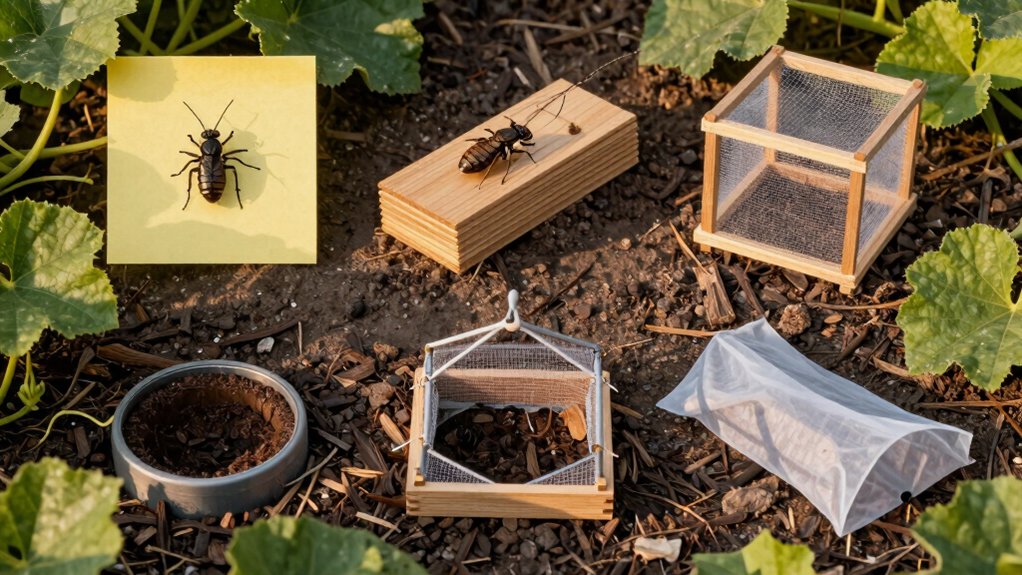

You’re dealing with squash bugs that damage your plants throughout the growing season. Standard pest control methods often fail because they don’t target these specific insects effectively. The right traps combine long-lasting lures, strategic placement, and durable construction to protect your garden continuously. You’ll need to understand which trap types work best and how to position them for maximum results—details we’ll break down next.
| VivaTrap VT-100 Squash Vine Borer Moth Trap & Lure (2 Pack 8 Week) |

| Longest-Lasting Protection | Target Pest: Squash Vine Borers (Melittia cucurbitae) | Trap Type: Pheromone lure with wet glue trap | Lure Duration: 8 weeks (60 days) | VIEW LATEST PRICE | Read Our Analysis |
| Bailey’s Squash Vine Borer Trap Kit 2-Pack |
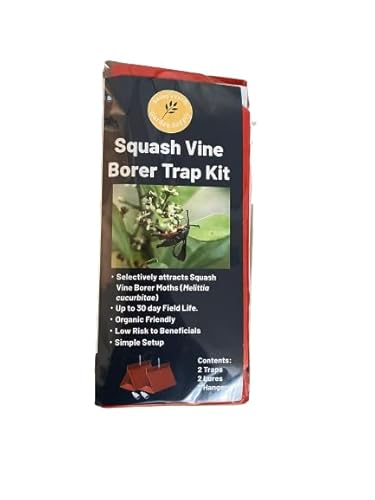
| Best Overall | Target Pest: Squash Vine Borers (Melittia cucurbitae) | Trap Type: Pheromone lure with glue trap | Lure Duration: 4–6 weeks | VIEW LATEST PRICE | Read Our Analysis |
| Gideal Dual-Sided Yellow Sticky Traps for Flying Insects (20-Pack) |

| Multi-Pest Coverage | Target Pest: Flying insects (fungus gnats, whiteflies, aphids, thrips, fruit flies) | Trap Type: Dual-sided yellow sticky trap | Lure Duration: N/A (color-based attraction) | VIEW LATEST PRICE | Read Our Analysis |
| Bonide Bug Beater Stink Bug Trap |
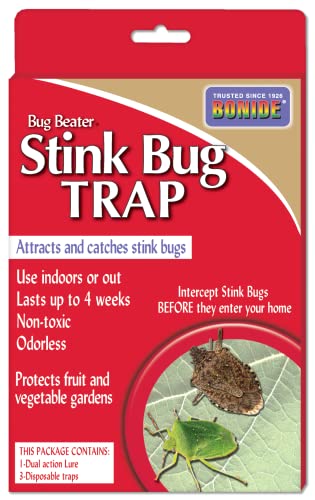
| Best for Stink Bugs | Target Pest: Brown Marmorated and Green Stink Bugs | Trap Type: Pheromone lure with super tacky glue panel | Lure Duration: 4 weeks (28 days) | VIEW LATEST PRICE | Read Our Analysis |
| Catchmaster GRO Yellow Sticky Traps for Insects (50-Pack) |
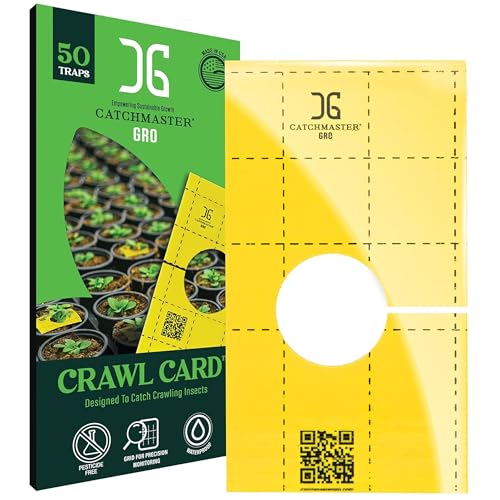
| High-Volume Pack | Target Pest: Crawling insects (fungus gnats, whiteflies, fruit flies, aphids, thrips, leaf miners) | Trap Type: Yellow sticky trap (center-hole design) | Lure Duration: Up to 1 year | VIEW LATEST PRICE | Read Our Analysis |
More Details on Our Top Picks
VivaTrap VT-100 Squash Vine Borer Moth Trap & Lure (2 Pack 8 Week)
If you’re protecting squash, zucchini, or pumpkin plants, the VivaTrap VT-100 offers longest-lasting protection through its pheromone-based lures. Each kit contains two complete traps with eight-week lures, doubling the lifespan of competing products. The pheromone attractant targets only squash vine borers, avoiding harm to beneficial pollinators and other insects. Install both traps in your garden using the included twist ties for hanging near vulnerable plants. Replace lures every eight weeks for continuous season-long protection. The wet glue traps capture attracted moths effectively. Since you’re using organic-friendly, safe methods, this approach integrates seamlessly into edible gardens without chemical residues.
- Target Pest:Squash Vine Borers (Melittia cucurbitae)
- Trap Type:Pheromone lure with wet glue trap
- Lure Duration:8 weeks (60 days)
- Quantity per Kit:2 complete traps
- Safety Profile:Natural, 100% safe for edible gardens, organic-friendly
- Use Environment:Vegetable gardens with squash family crops
- Additional Feature:8-week pheromone lure duration
- Additional Feature:Twice competitor lifespan
- Additional Feature:Species-specific attractant only
Bailey’s Squash Vine Borer Trap Kit 2-Pack
Need reliable protection for your cucurbit crops without harsh chemicals? Bailey’s Squash Vine Borer Trap Kit offers a straightforward solution. Each 2-pack includes two traps, lures, and hangers designed to attract adult Melittia cucurbitae moths. You’ll hang the traps near your squash, pumpkin, or cucumber plants to monitor pest activity and reduce breeding populations. The traps remain effective for four to six weeks each, providing continuous protection throughout the active season. Since this method uses no pesticides, you’ll keep your garden safe for children, pets, and beneficial insects while maintaining consistent crop defense.
- Target Pest:Squash Vine Borers (Melittia cucurbitae)
- Trap Type:Pheromone lure with glue trap
- Lure Duration:4–6 weeks
- Quantity per Kit:2 traps with lures and hangers
- Safety Profile:Safe, eco-friendly alternative to pesticides; safe around children, pets, beneficial insects
- Use Environment:Cucurbit crops (squash, pumpkin, cucumber); outdoor use
- Additional Feature:4-6 week trap effectiveness
- Additional Feature:Adult pest breeding reduction
- Additional Feature:Easy activity level monitoring
Gideal Dual-Sided Yellow Sticky Traps for Flying Insects (20-Pack)
The Gideal Dual-Sided Yellow Sticky Traps work best for gardeners who need multi-pest coverage across outdoor plants and indoor spaces. Each pack contains 20 traps measuring 6 by 8 inches, plus 20 twist ties and 2 stands for easy setup. Position traps in bright locations—windowsills, balconies, or garden areas—where flying insects congregate. The bright yellow color attracts fungus gnats, whiteflies, aphids, thrips, and fruit flies, which stick to both trap surfaces. The waterproof design withstands temperature changes and outdoor conditions. Simply attach traps to plant stakes or stands using provided ties. Replace traps when they’re covered with insects. This non-toxic method works continuously throughout the growing season without harming plants or beneficial organisms.
- Target Pest:Flying insects (fungus gnats, whiteflies, aphids, thrips, fruit flies)
- Trap Type:Dual-sided yellow sticky trap
- Lure Duration:N/A (color-based attraction)
- Quantity per Kit:20 sticky traps with 2 stands
- Safety Profile:Non-toxic; safe for indoor and outdoor use
- Use Environment:Outdoor plants, balconies, windowsills, houseplants, indoor/outdoor
- Additional Feature:20-pack quantity with stands
- Additional Feature:Dual-sided sticky trap design
- Additional Feature:Temperature fluctuation resistant
Bonide Bug Beater Stink Bug Trap
Want a trap that handles stink bugs specifically? The Bonide Bug Beater uses dual-action pheromone lures to attract brown marmorated and green stink bugs from up to 50 feet away. The kit includes one lure and three disposable traps with super-tacky glue panels that catch bugs on contact. Each lure dispenses steadily for 28 days, providing up to four weeks of protection. When a trap fills, remove the bug panel and discard it, then reuse the lure on a fresh trap. Place traps near light sources indoors or outdoors for best results. This non-toxic, odorless formula works both in gardens and homes without chemical residue concerns.
- Target Pest:Brown Marmorated and Green Stink Bugs
- Trap Type:Pheromone lure with super tacky glue panel
- Lure Duration:4 weeks (28 days)
- Quantity per Kit:3 disposable traps with 1 lure
- Safety Profile:Non-toxic, odorless formula
- Use Environment:Home and garden; indoors and outdoors; near light source
- Additional Feature:50-foot lure attraction range
- Additional Feature:Reusable lure on traps
- Additional Feature:Light source placement optimization
Catchmaster GRO Yellow Sticky Traps for Insects (50-Pack)
Catchmaster GRO’s 50-pack yellow sticky traps work best for gardeners who need comprehensive pest coverage across multiple planting zones without restocking frequently. Place traps in three zones: below the plant canopy at the base, within the middle canopy, and above the canopy top. This three-zone approach intercepts fungus gnats, whiteflies, fruit flies, aphids, and thrips at different heights. The pre-cut traps require no bait and stay effective up to one year if kept clean. Their water and UV resistance makes them suitable for outdoor gardens, greenhouses, and indoor plants. Position them around outdoor beds, composting areas, and barns for stable pest control throughout the season.
- Target Pest:Crawling insects (fungus gnats, whiteflies, fruit flies, aphids, thrips, leaf miners)
- Trap Type:Yellow sticky trap (center-hole design)
- Lure Duration:Up to 1 year
- Quantity per Kit:50 pre-cut sticky traps
- Safety Profile:Safe for family and pets; consumption of glue not harmful
- Use Environment:Garden beds, houseplants, greenhouse, aeroponics, hydroponics, indoor/outdoor
- Additional Feature:50-pack pre-cut ready-use
- Additional Feature:Up to 1-year longevity
- Additional Feature:Three-zone placement strategy
Factors to Consider When Choosing Squash Bug Traps
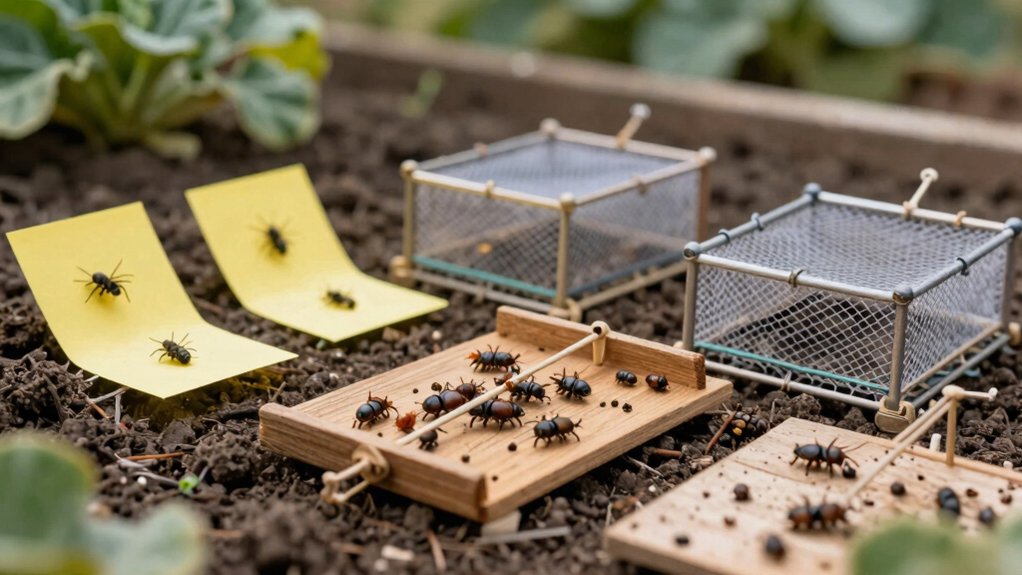
When you’re selecting a squash bug trap, you’ll want to evaluate pheromone specificity to ensure the lure targets squash bugs rather than beneficial insects, check the lure’s lifespan so you’re not replacing traps frequently throughout the season, and verify that the trap design won’t harm pollinators or contaminate your garden soil. Next, assess the trap’s ease of use—whether it requires assembly, daily monitoring, or special maintenance—and determine how many traps you’ll need based on your garden’s square footage and your squash plant spacing. Finally, plan your placement strategy by positioning traps near plant bases, entry points, and garden perimeters where bugs typically congregate, adjusting locations as needed based on pest activity patterns.
Pheromone Specificity And Targeting
Choose pheromone-based traps that match the exact chemical attractants of squash vine borers (Melittia cucurbitae) to maximize your trap’s effectiveness while protecting beneficial insects. Species-specific lures reduce bycatch of non-target insects like pollinators and beneficial species. When you select traps with narrow pheromone spectrums, you’re preserving your garden’s biodiversity while targeting only the pest you need to control.
Look for traps with longer-lived lures that remain effective for several weeks to months. This extended durability maintains consistent attraction throughout the squash vine borer’s active season, eliminating the need for frequent replacements.
Use monitoring traps with matched pheromones to confirm pest presence in your garden. This approach allows you to time management decisions precisely and avoid unnecessary broad-spectrum pesticide applications.
Lure Lifespan And Durability
Now that you’ve identified species-specific pheromone traps, you’ll want to examine how long their lures actually remain effective in your garden. Most lures last between 4 to 8 weeks before you need to replace them. Check product labels to compare lifespan—some brands advertise twice the durability of competitors, which reduces how often you restock supplies.
Durability extends beyond the lure itself. Trap components like glue panels and stands feature waterproof materials designed for outdoor conditions. Examine whether your chosen trap offers reusable components that maintain effectiveness even after lure replacement.
Calculate your replacement schedule based on your garden’s size and pest pressure. Longer-lasting lures support continuous monitoring throughout the squash vine borer season without frequent interruptions.
Safety For Gardens And Pollinators
How do you protect your beneficial insects while controlling squash bugs? Choose traps with pheromones or lures specifically targeting squash vine borers, not broad-spectrum attractants that draw pollinators away from flowers. Select odorless or low-toxicity formulations to minimize exposure risk to bees and butterflies. Verify that traps carry labels stating they’re safe for edible gardens with no harmful residues on squash, zucchini, or pumpkins. Confirm traps are insect-specific and won’t lure pollinators to the devices. Opt for long-lasting lures lasting 4–8 weeks, reducing frequent handling near pollinator-rich areas. Check product documentation for third-party testing confirming pollinator safety. Review customer feedback mentioning beneficial insect activity around their gardens. These precautions ensure effective pest control without compromising your garden’s pollination ecosystem.
Trap Design And Ease Of Use
What separates an effective squash bug trap from a frustrating one is its design and how easily you can set it up and maintain it throughout the season. Choose traps with built-in lures and capture mechanisms so you don’t need extra components. Look for easy-hang features like twist ties or stands that let you position traps flexibly along vine crops and garden rows. Select traps with long-lasting lures lasting 60 days or adhesives effective for 4–6 weeks to reduce reapplication work. Opt for designs that allow lure reuse or simple panel replacement, minimizing maintenance demands. Finally, confirm the trap targets only squash bugs and similar pests, avoiding designs that attract beneficial pollinators or non-target insects to your garden.
Coverage Area And Placement Strategy
To protect your entire garden, you’ll need to calculate your trap coverage and position them strategically across your squash plants. Start by measuring your garden’s total length and width, then divide it into sections. Place traps along row bases and near vine clusters where borers concentrate. Space traps approximately 10 feet apart to create an effective perimeter grid. Position each trap at canopy height or just above the vines to intercept flying adults. Use multiple traps—typically one trap per 100 square feet—to maintain continuous monitoring. As plants grow throughout the season, reposition traps to match their expansion. Check trap locations weekly and move them if pest activity shifts to different garden areas. This systematic approach ensures consistent protection all season.
Final Thoughts
You’ll protect your squash plants by selecting traps with 60-day lures and pest-specific formulations. Deploy multiple traps along row bases and vine clusters at a rate of one trap per 100 square feet. Check your traps weekly, repositioning them as plants grow. Replace panels when they’re full or lures expire. This consistent monitoring and maintenance strategy keeps your garden covered throughout the entire growing season.

Meet Ry, “TechGuru,” a 36-year-old technology enthusiast with a deep passion for tech innovations. With extensive experience, he specializes in gaming hardware and software, and has expertise in gadgets, custom PCs, and audio.
Besides writing about tech and reviewing new products, he enjoys traveling, hiking, and photography. Committed to keeping up with the latest industry trends, he aims to guide readers in making informed tech decisions.