
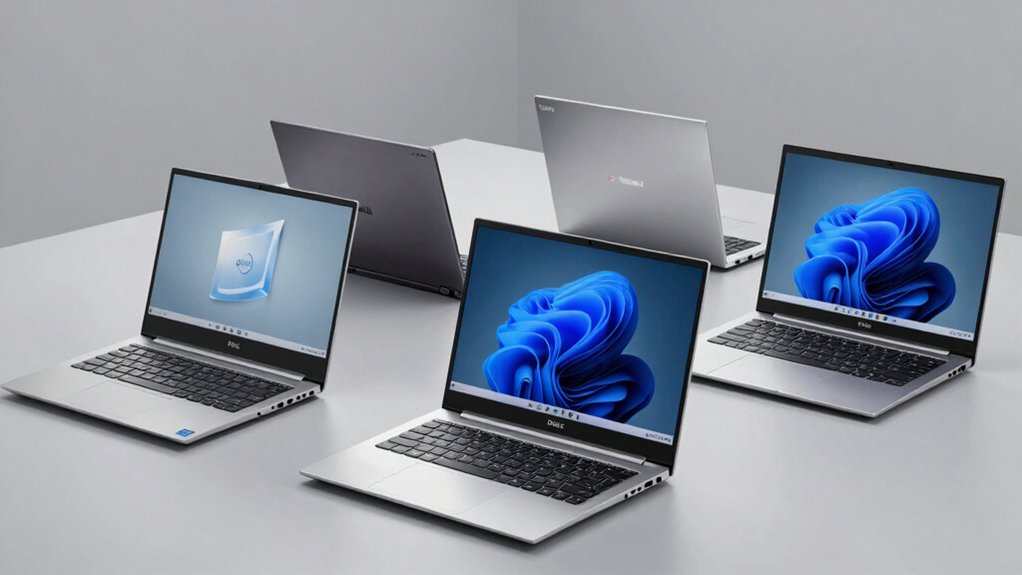

If you’re shopping for an Ubuntu laptop, you’ll want to evaluate several key models that Linux users consistently recommend. You can choose from affordable options like the Lenovo IdeaPad Slim 3, rugged alternatives such as the Panasonic Toughbook, portable two-in-ones like the Dell Latitude, or powerful workstations including the HP 17. You might also consider pre-loaded solutions. But before you select any model, you’ll need to understand the specific factors that determine the right choice for your needs.
| Lenovo IdeaPad Slim 3 Linux Laptop 15.6″ FHD |

| Best Overall Performance | Operating System: Linux Ubuntu | Display Size: 15.6 inches | RAM: 16 GB DDR4 | VIEW LATEST PRICE | Read Our Analysis |
| Panasonic Toughbook CF-53 MK4 Rugged Laptop |
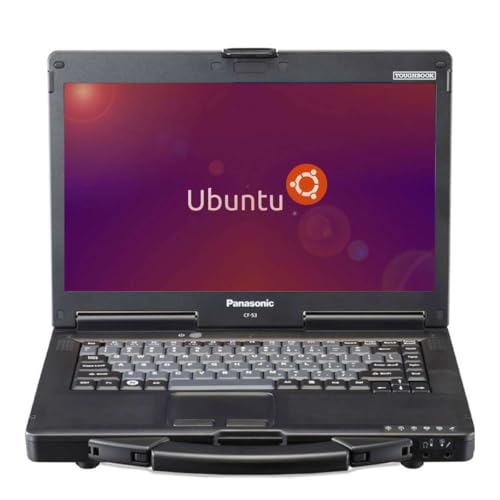
| Most Rugged & Durable | Operating System: Linux Ubuntu | Display Size: 14 inches | RAM: 8 GB | VIEW LATEST PRICE | Read Our Analysis |
| Beamo Ubuntu Desktop 24.04.3 LTS Bootable USB Flash Drive |

| Installation Essential | Operating System: Ubuntu Desktop 24.04.3 LTS | Display Size: N/A (bootable USB drive) | RAM: N/A (bootable USB drive) | VIEW LATEST PRICE | Read Our Analysis |
| HP 17 Business Laptop Intel i5 32GB RAM 1TB SSD |
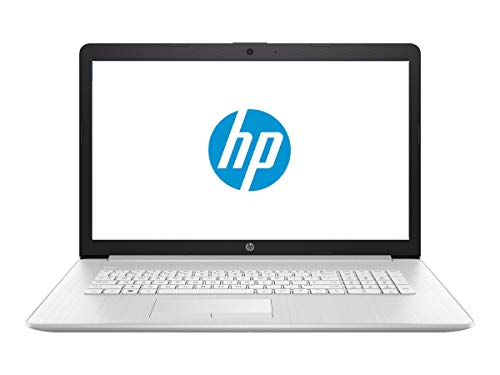
| Best for Multitasking | Operating System: Linux Mint Cinnamon | Display Size: 17.3 inches | RAM: 32 GB DDR4 | VIEW LATEST PRICE | Read Our Analysis |
| Dell Latitude 3190 11.6″ 2-in-1 Touchscreen Laptop |

| Most Portable Option | Operating System: Windows 11 Pro | Display Size: 11.6 inches | RAM: 4 GB DDR4 | VIEW LATEST PRICE | Read Our Analysis |
More Details on Our Top Picks
Lenovo IdeaPad Slim 3 Linux Laptop 15.6″ FHD
Looking for superior processing power in a Linux laptop? The Lenovo IdeaPad Slim 3 delivers with its AMD Ryzen 7 5825U processor running up to 4.5 GHz across 8 cores. You’ll get 16 GB DDR4 memory and 512 GB SSD storage for multitasking and coding projects. The 15.6″ FHD touchscreen offers 1920×1080 resolution with 88% screen-to-body ratio. You’re getting military-grade durability in a lightweight 3.6-pound design. The package includes a stylus pen, 256 GB portable SSD, and 5-in-1 docking station. Connectivity features 2x USB-A, 1x USB-C, HDMI, SD card reader, and 802.11ax Wi-Fi. This Ubuntu system suits business users, students, and content creators needing reliable performance.
- Operating System:Linux Ubuntu
- Display Size:15.6 inches
- RAM:16 GB DDR4
- Storage Capacity:512 GB SSD
- Processor Type:AMD Ryzen 7 5825U
- Touchscreen:Yes (1920×1080 FHD)
- Additional Feature:Includes stylus pen included
- Additional Feature:Military-grade durability
- Additional Feature:Portable SSD included
Panasonic Toughbook CF-53 MK4 Rugged Laptop
If you’re working in demanding environments—automotive diagnostics, field service, or fieldwork in harsh conditions—you’ll want the Panasonic Toughbook CF-53 MK4, the most rugged and durable laptop in this lineup. This MIL-STD-810G certified machine resists shocks, vibration, and extreme temperatures. You’ll get a 14-inch WXGA touchscreen, Intel Core i5-4310U processor, 8GB RAM, and 256GB SSD running Linux Ubuntu. The 1000-nit display ensures visibility in bright outdoor settings. You’ll access 4G LTE and GPS connectivity for remote locations. As an Amazon Renewed unit, it’s professionally inspected and includes a 90-day warranty with replacement or refund protection.
- Operating System:Linux Ubuntu
- Display Size:14 inches
- RAM:8 GB
- Storage Capacity:256 GB SSD
- Processor Type:Intel Core i5-4310U
- Touchscreen:Yes (1366×768 WXGA)
- Additional Feature:MIL-STD-810G certified rugged
- Additional Feature:1000 nit display brightness
- Additional Feature:Built-in DVD optical drive
Beamo Ubuntu Desktop 24.04.3 LTS Bootable USB Flash Drive
The Beamo Ubuntu Desktop 24.04.3 LTS Bootable USB Flash Drive is an installation-essential tool for anyone setting up or repairing Ubuntu on x86-based computers. This 16 GB USB 2.0 drive comes pre-loaded with Ubuntu 24.04.3 LTS and requires no additional software on Windows or Linux machines. Plug it into your computer’s USB port, boot from the drive, and you’ll access the live environment for installation or repair tasks. The LED indicator confirms activity. After completing your installation, you can erase the drive for future use or retain it for troubleshooting. Note that M-series MacBooks and ARM-based devices need third-party software like Parallels to function. The drive includes a one-year warranty covering non-functional defects.
- Operating System:Ubuntu Desktop 24.04.3 LTS
- Display Size:N/A (bootable USB drive)
- RAM:N/A (bootable USB drive)
- Storage Capacity:16 GB USB Flash Drive
- Processor Type:N/A (bootable USB drive)
- Touchscreen:N/A (bootable USB drive)
- Additional Feature:Plug-and-play bootable drive
- Additional Feature:16GB USB capacity
- Additional Feature:1-year damage warranty
HP 17 Business Laptop Intel i5 32GB RAM 1TB SSD
HP’s 17-inch business laptop excels when you’re juggling multiple applications simultaneously. The Intel i5-10210U processor handles everyday tasks like email, spreadsheets, and web browsing without lag. With 32GB RAM, you’ll manage heavy workloads efficiently. The hybrid storage setup—1TB SSD plus 1TB HDD—lets you store large files while keeping frequently used programs on the faster drive. Linux Mint Cinnamon provides a familiar desktop environment. The 17.3-inch display offers comfortable screen real estate for extended work sessions. USB 3.1 ports enable quick file transfers. This configuration suits professionals who need reliable performance without premium pricing.
- Operating System:Linux Mint Cinnamon
- Display Size:17.3 inches
- RAM:32 GB DDR4
- Storage Capacity:1 TB SSD + 1 TB HDD
- Processor Type:Intel i5-10210U
- Touchscreen:No
- Additional Feature:Hybrid storage configuration (HDD+SSD)
- Additional Feature:Backlit keyboard included
- Additional Feature:Larger 17.3″ display size
Dell Latitude 3190 11.6″ 2-in-1 Touchscreen Laptop
Looking for the most portable option that won’t drain your budget? The Dell Latitude 3190 11.6″ 2-in-1 offers a convertible design that switches between laptop and tablet modes. You’ll get an Intel Celeron N5030 processor, 4GB DDR4 RAM, and 128GB SSD for basic computing tasks. The touchscreen display supports stylus input for note-taking and navigation. At 4.4 pounds, you’ll carry it easily. Windows 11 Pro comes pre-installed, though you can install Ubuntu as your primary OS. The 90-day warranty covers hardware issues. Two USB 3.1 ports and WiFi 5 connectivity keep you connected. This refurbished model suits users prioritizing portability and affordability over raw processing power.
- Operating System:Windows 11 Pro
- Display Size:11.6 inches
- RAM:4 GB DDR4
- Storage Capacity:128 GB SSD
- Processor Type:Intel Celeron N5030
- Touchscreen:Yes (1366×768 HD)
- Additional Feature:2-in-1 convertible form factor
- Additional Feature:Stylus support capability
- Additional Feature:Renewed/refurbished condition
Factors to Consider When Choosing an Ubuntu Laptop
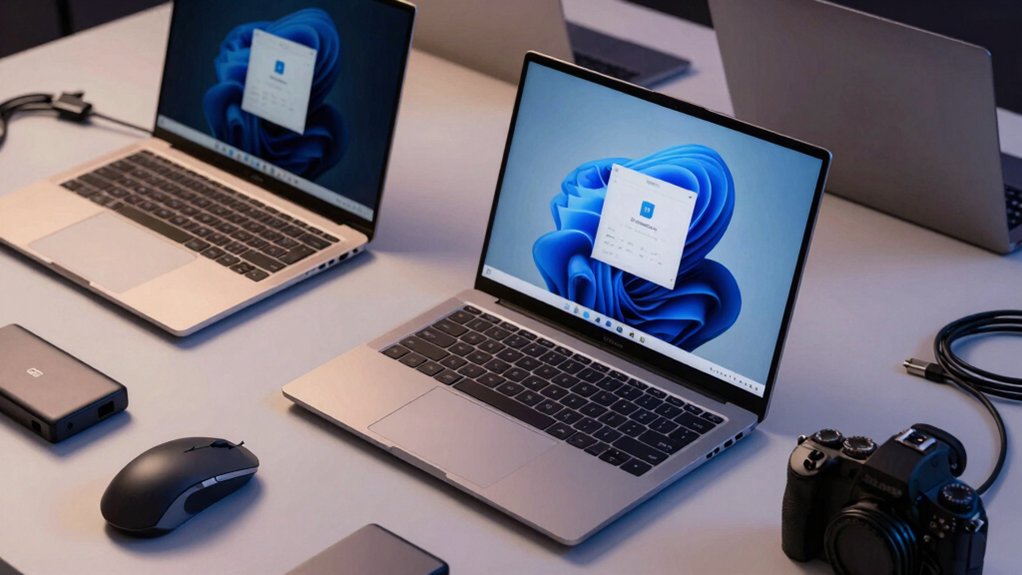
When you’re selecting an Ubuntu laptop, you’ll want to evaluate five key factors: performance and processing power to handle your workload, display quality and size for comfortable viewing, storage capacity and speed for file management, battery life and portability for mobility needs, and build quality and durability for long-term reliability. Each factor directly impacts how well the laptop serves your specific use case, so you should assess your priorities and match them against available options. Start by listing your primary uses—whether that’s development work, everyday computing, or multimedia tasks—then compare how each candidate laptop performs in these five areas.
Performance And Processing Power
The foundation of any Ubuntu laptop’s capability rests on its processor and memory configuration. You’ll want a multi-core CPU with 6–8 cores and boost clocks reaching 4.5 GHz to handle parallel tasks and demanding applications smoothly. This processing power ensures you can run development tools, virtual machines, and resource-intensive software without slowdowns.
Pair this with 8–16 GB of RAM to support multitasking and prevent system lag during heavy workloads. Integrated GPUs capable of light graphics acceleration further enhance performance for GPU-accelerated tasks and smoother visuals.
Storage matters too. Opt for an SSD with at least 512 GB capacity to achieve faster boot times, quicker program launches, and responsive file operations.
Check thermal design and power efficiency ratings to maintain sustained performance during extended Ubuntu sessions without throttling.
Display Quality And Size
How much screen space do you actually need for your Ubuntu work? A 15.6-inch display gives you room for multitasking, side-by-side coding windows, and content creation, though it adds weight. Full HD 1080p resolution ensures sharp text and clear images, which reduces eye strain during long development sessions. Check the screen-to-body ratio—an 88% ratio means less bezel and a compact footprint. Consider brightness levels and TÜV Low Blue Light certification for comfort during extended work. Touchscreen options enable direct interaction in Ubuntu, but they drain battery faster. Weigh portability against workspace needs. If you move frequently, choose a smaller, lighter screen. If you stay stationary, prioritize larger displays for productivity gains.
Storage Capacity And Speed
Storage capacity and speed directly impact how smoothly your Ubuntu laptop runs daily tasks, so you’ll want to evaluate both carefully. First, choose a minimum of 256 GB storage to accommodate Ubuntu, applications, and future updates comfortably. Next, prioritize NVMe PCIe SSDs over SATA SSDs, as they deliver faster read/write speeds for quicker boot times and app launches. If you need additional space, consider external drives for media libraries and backups rather than relying solely on internal storage. Finally, assess your typical workload—developers and content creators benefit from larger capacities like 512 GB or 1 TB, while general users function well with 256 GB. Match your storage choice to your specific needs and usage patterns.
Battery Life And Portability
When you’re evaluating Ubuntu laptops for portability, you’ll want to prioritize battery capacity—measured in watt-hours (Wh)—since larger batteries enable longer unplugged work sessions. Check the processor type next: modern Ryzen chips and low-power Intel processors work efficiently with Linux power management to extend runtime significantly. Examine your display choice carefully; higher brightness levels and 1080p screens consume more power than lower-resolution options. Consider weight and thickness, but recognize that slimmer designs often sacrifice battery capacity or cooling performance, reducing actual usage time. Finally, verify USB-C or Thunderbolt charging support with quick-charge capabilities. These features determine how rapidly you’ll restore mobility between sessions. Balance these factors based on your specific portability needs and usage patterns.
Build Quality And Durability
While battery life determines how long you’ll work unplugged, the laptop’s physical construction determines whether it’ll survive years of regular use. Look for MIL-STD-810G certification, which proves the device withstands shocks, vibrations, and temperature extremes. Choose laptops with metal chassis or reinforced plastic bodies—these materials resist impacts better than thin plastics and maintain rigidity longer. Examine hinge quality by reading user reviews focusing on lid durability after repeated opening and closing. If you’ll use your laptop in harsh environments, prioritize spill-resistant keyboards or IP-rated seals that protect internal components from moisture. Assess weight and build density; thicker, heavier laptops typically offer superior durability, though they sacrifice portability. Balance your need for ruggedness against your mobility requirements before deciding.
Connectivity And Port Options
How many ports does your Ubuntu laptop actually need? You’ll want a mix of USB-A and USB-C ports to connect various peripherals and ensure future compatibility. Check that at least one HDMI or VGA output exists for external display connectivity. Verify your laptop includes Ethernet or Wi-Fi 802.11ac/ax standard for dependable network access. Confirm Bluetooth support is available so you can use wireless peripherals and accessories without cables. If you work with removable storage, look for an SD card reader or similar expansion options. Assess your specific workflow and peripherals before purchasing. Count which devices you currently use and their connector types. This ensures your Ubuntu laptop supports everything you need without requiring additional adapters or hubs.
Final Thoughts
You’ve reviewed five Ubuntu laptops suited to different needs. Choose the Lenovo IdeaPad Slim 3 for budget-friendly performance. Pick the Panasonic Toughbook if you need durability in harsh conditions. Select the Dell Latitude 3190 for portability. Consider the HP 17 for heavy multitasking. Use the Beamo USB for quick installation on existing hardware. Evaluate your specific requirements—portability, durability, performance, or budget—then match them to your selection.

Meet Ry, “TechGuru,” a 36-year-old technology enthusiast with a deep passion for tech innovations. With extensive experience, he specializes in gaming hardware and software, and has expertise in gadgets, custom PCs, and audio.
Besides writing about tech and reviewing new products, he enjoys traveling, hiking, and photography. Committed to keeping up with the latest industry trends, he aims to guide readers in making informed tech decisions.