
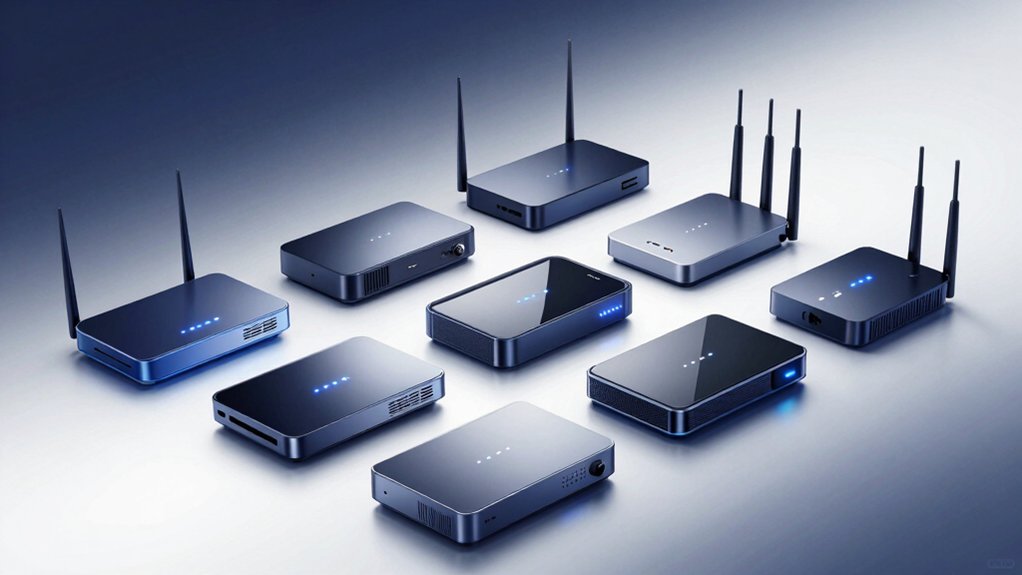

If you’re struggling with slow WiFi on your Verizon Fios network, you’ll want to contemplate routers built to handle Gigabit speeds and advanced security features. You can choose from budget-friendly options like the TP-Link AX1800 or invest in premium models with WiFi 7 technology. Each router offers different coverage areas and setup requirements that directly affect your internet performance. Understanding which features matter most for your home will help you make the right choice.
| Verizon/Fios Wi Fi Home Router G3100 ,tri band |
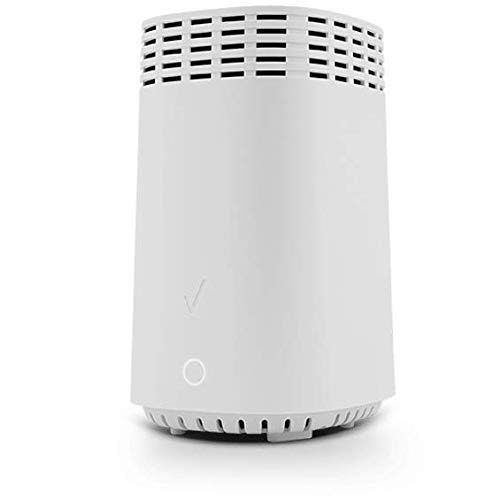
| Best Overall | WiFi Standard: WiFi 6 (802.11ax) | Band Configuration: Tri-band (one 2.4 GHz, two 5 GHz) | Total Wireless Speed: 3+ Gbps (exact speed not specified) | VIEW LATEST PRICE | Read Our Analysis |
| VerizonW 2021 G3100 Home Router (Renewed) |
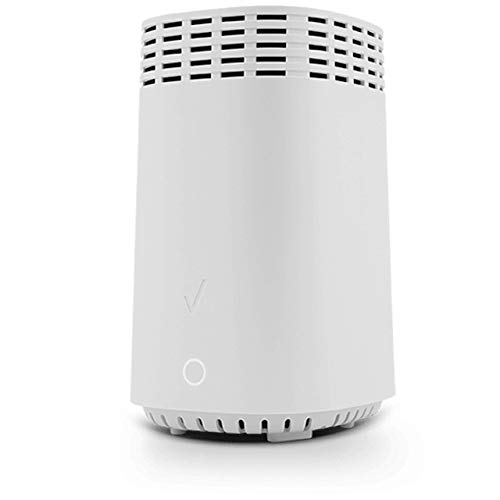
| Best For Fios | WiFi Standard: WiFi 6 (802.11ax) | Band Configuration: Tri-band (one 2.4 GHz, two 5 GHz) | Total Wireless Speed: 3+ Gbps (exact speed not specified) | VIEW LATEST PRICE | Read Our Analysis |
| TP-Link AX1800 WiFi 6 Router (Archer AX21 V5) |

| Best Value | WiFi Standard: WiFi 6 (802.11ax) | Band Configuration: Dual-band (2.4 GHz, 5 GHz) | Total Wireless Speed: 1.8 Gbps (AX1800) | VIEW LATEST PRICE | Read Our Analysis |
| NETGEAR Nighthawk WiFi 7 Router (BE9300) |

| Fastest Performance | WiFi Standard: WiFi 7 | Band Configuration: Tri-band | Total Wireless Speed: 9.3 Gbps (BE9300) | VIEW LATEST PRICE | Read Our Analysis |
| TP-Link AX3000 Wi-Fi 6 Router (Archer AX55) |
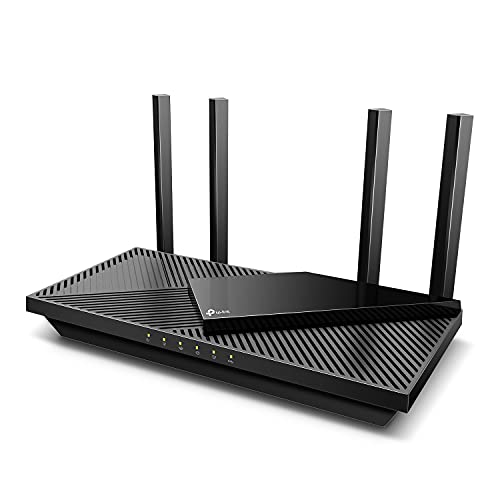
| Best Mid-Range | WiFi Standard: WiFi 6 (802.11ax) | Band Configuration: Dual-band (2.4 GHz, 5 GHz) | Total Wireless Speed: 2.976 Gbps (AX3000) | VIEW LATEST PRICE | Read Our Analysis |
| Fios Tri-Band Mesh Wi-Fi 6 Extender (E3200) |
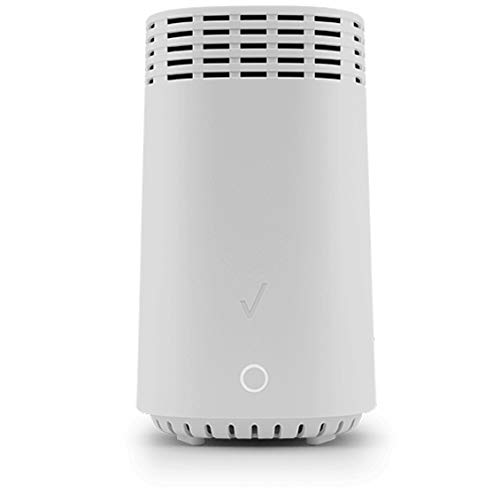
| Best Mesh Extender | WiFi Standard: WiFi 6 (802.11ax) | Band Configuration: Tri-band (one 2.4 GHz, two 5 GHz) | Total Wireless Speed: 3+ Gbps (exact speed not specified) | VIEW LATEST PRICE | Read Our Analysis |
| TP-Link Archer A8 AC1900 Smart WiFi Router |

| Budget-Friendly Pick | WiFi Standard: WiFi 5 (AC1900) | Band Configuration: Dual-band (2.4 GHz, 5 GHz) | Total Wireless Speed: 1.9 Gbps (AC1900) | VIEW LATEST PRICE | Read Our Analysis |
| NETGEAR Nighthawk WiFi 6 Router (RAX36) |

| Best Compact | WiFi Standard: WiFi 6 (802.11ax) | Band Configuration: Dual-band (2.4 GHz, 5 GHz) | Total Wireless Speed: 3 Gbps (AX3000) | VIEW LATEST PRICE | Read Our Analysis |
| NETGEAR Nighthawk WiFi 7 Router (RS90) BE3600 |

| Next-Gen Technology | WiFi Standard: WiFi 7 | Band Configuration: Dual-band (2.4 GHz, 5 GHz) | Total Wireless Speed: 3.6 Gbps (BE3600) | VIEW LATEST PRICE | Read Our Analysis |
More Details on Our Top Picks
Verizon/Fios Wi Fi Home Router G3100 ,tri band
If you’re looking for a router that handles multiple high-bandwidth devices simultaneously without slowing down, the Verizon/Fios WiFi Home Router G3100 delivers the performance you need. This tri-band router features WiFi 6 technology with 4×4 streams across its 2.4 GHz and dual 5 GHz bands, supporting channel widths up to 160 MHz for maximum speed. You’ll connect wired devices through four Gigabit LAN ports, while the built-in MoCA 2.5 port enables multi-gig backhaul for mesh extenders. The router supports up to 253 users with dual-stack IPv4/IPv6, QoS prioritization, and WPA3 security. Setup requires minimal effort—just plug it in and connect to your Fios service.
- WiFi Standard:WiFi 6 (802.11ax)
- Band Configuration:Tri-band (one 2.4 GHz, two 5 GHz)
- Total Wireless Speed:3+ Gbps (exact speed not specified)
- Gigabit Ethernet Ports:Four Gigabit LAN, one Gigabit WAN
- Coverage Area:Large homes/busy offices (exact sq. ft. not specified)
- Security Protocol:WPA3, WPA2/WPS
- Additional Feature:Built-in MoCA 2.5 backhaul
- Additional Feature:McAfee Home Network Protection
- Additional Feature:Guest network mode available
VerizonW 2021 G3100 Home Router (Renewed)
Looking for a router that delivers noticeably faster speeds across your entire home? The VerizonW 2021 G3100 uses Wi-Fi 6 technology with tri-band 4×4 antennas to boost performance. You’ll experience 60% faster speeds on 2.4 GHz and 38% faster speeds on 5 GHz compared to older models. The router covers 150% more range than the G1100, reaching farther into your house without dead zones. It automatically switches between bands and uses a single Wi-Fi network name for seamless connectivity. With four Gigabit LAN ports and MoCA2.5 support, you’ll connect multiple devices reliably. The self-organizing network handles band steering automatically, so you don’t adjust settings manually. This renewed unit offers enterprise-grade performance at a lower cost than buying new.
- WiFi Standard:WiFi 6 (802.11ax)
- Band Configuration:Tri-band (one 2.4 GHz, two 5 GHz)
- Total Wireless Speed:3+ Gbps (exact speed not specified)
- Gigabit Ethernet Ports:Four Gigabit LAN, one Gigabit WAN
- Coverage Area:Large homes (exact sq. ft. not specified)
- Security Protocol:WPA3, WPA2
- Additional Feature:Automatic band steering
- Additional Feature:150% more range vs G1100
- Additional Feature:Single unified Wi-Fi SSID
TP-Link AX1800 WiFi 6 Router (Archer AX21 V5)
The TP-Link Archer AX21 V5 delivers reliable WiFi 6 performance at an affordable price point, making it an excellent choice for Verizon Fios users who want faster speeds without spending substantially on premium equipment. This dual-band router supports up to 1.8 Gbps total bandwidth, with 1200 Mbps on the 5 GHz band and 574 Mbps on the 2.4 GHz band. You’ll benefit from OFDMA technology, which allows the router to communicate with multiple devices simultaneously, reducing network congestion. Setup is straightforward: connect the included Ethernet cable to your modem and the router, plug in the power adapter, then download the Tether app to configure your network. The router includes four high-gain antennas and beamforming technology that focuses your signal for improved coverage throughout your home. WPA3 security protocols protect your connection, while the VPN server options add an extra layer of privacy. TP-Link’s 24/7 technical support and two-year warranty ensure you’re covered.
- WiFi Standard:WiFi 6 (802.11ax)
- Band Configuration:Dual-band (2.4 GHz, 5 GHz)
- Total Wireless Speed:1.8 Gbps (AX1800)
- Gigabit Ethernet Ports:Five Gigabit ports
- Coverage Area:Long-range coverage (exact sq. ft. not specified)
- Security Protocol:WPA/WPA2, WPA3
- Additional Feature:Works with Alexa integration
- Additional Feature:Open VPN and PPTP
- Additional Feature:Advanced front-end module chipset
NETGEAR Nighthawk WiFi 7 Router (BE9300)
Want a router that handles multiple high-bandwidth activities simultaneously without slowdowns? The NETGEAR Nighthawk BE9300 delivers 9.3Gbps wireless speeds—2.4 times faster than WiFi 6 routers. Its tri-band design and high-performance antennas cover up to 2,500 square feet, supporting 100 devices. You’ll need a separate cable modem to connect this router to your Fios service. The 2.5 Gigabit internet port accommodates multi-gig speeds for demanding users. Built-in security features and the included 30-day NETGEAR Armor trial protect against hackers and malware. Setup occurs through the Nighthawk app, making configuration straightforward. This router suits households with heavy streaming, gaming, and video conferencing demands.
- WiFi Standard:WiFi 7
- Band Configuration:Tri-band
- Total Wireless Speed:9.3 Gbps (BE9300)
- Gigabit Ethernet Ports:2.5 Gigabit internet port + standard ports
- Coverage Area:2,500 sq. ft.
- Security Protocol:Built-in security + NETGEAR Armor suite
- Additional Feature:Supports up to 100 devices
- Additional Feature:2.5 Gigabit internet port
- Additional Feature:NETGEAR Armor security suite
TP-Link AX3000 Wi-Fi 6 Router (Archer AX55)
If you’re upgrading your Verizon Fios setup and need faster speeds without overspending, the Archer AX55 delivers four critical advantages: Wi-Fi 6 technology that reaches 2402 Mbps on the 5 GHz band, dual-band support for 2.4 GHz devices, OFDMA and MU-MIMO capabilities that let multiple devices connect simultaneously without lag, and broad ISP compatibility including Verizon. The router’s four external antennas with beamforming extend coverage throughout your home. Built-in HomeShield security provides network protection and parental controls. Setup requires connecting the power adapter, using the Ethernet cable to link your modem, and following the Quick Installation Guide. VPN support and WPA3 encryption secure your connection for gaming consoles, security cameras, and smart devices.
- WiFi Standard:WiFi 6 (802.11ax)
- Band Configuration:Dual-band (2.4 GHz, 5 GHz)
- Total Wireless Speed:2.976 Gbps (AX3000)
- Gigabit Ethernet Ports:Five Gigabit LAN/WAN ports
- Coverage Area:Extended coverage (exact sq. ft. not specified)
- Security Protocol:WPA2-Enterprise, WPA2-PSK, WPA3
- Additional Feature:Target Wake Time efficiency
- Additional Feature:TP-Link HomeShield protection included
- Additional Feature:EasyMesh compatible
Fios Tri-Band Mesh Wi-Fi 6 Extender (E3200)
Looking to eliminate dead zones and expand your Wi-Fi coverage without upgrading your entire system? The Fios Tri-Band Mesh Wi-Fi 6 Extender (E3200) expands your existing network with 802.11ax performance. Simply plug it in near your router for seamless mesh integration. Its tri-band technology—one 2.4 GHz band and two 5 GHz bands—optimizes traffic and reduces interference. Two Gigabit Ethernet ports let you connect gaming consoles, smart TVs, and desktops directly for enhanced speed and stability. The E3200 handles multiple simultaneous connections without performance loss, making it ideal for 4K streaming, gaming, and multi-device households throughout your home or office.
- WiFi Standard:WiFi 6 (802.11ax)
- Band Configuration:Tri-band (one 2.4 GHz, two 5 GHz)
- Total Wireless Speed:3+ Gbps (exact speed not specified)
- Gigabit Ethernet Ports:Two Gigabit Ethernet ports
- Coverage Area:Seamless mesh expansion (exact sq. ft. not specified)
- Security Protocol:WiFi 6 security (specific protocols not detailed)
- Additional Feature:Two Gigabit Ethernet ports
- Additional Feature:Seamless mesh network expansion
- Additional Feature:Eliminates WiFi dead zones
TP-Link Archer A8 AC1900 Smart WiFi Router
The TP-Link Archer A8 delivers dual-band wireless speeds up to 1,900 Mbps total (600 Mbps on 2.4 GHz and 1,300 Mbps on 5 GHz), making it a solid choice if you’re connecting multiple devices to your Verizon Fios connection without needing premium features like USB ports or VPN support. The router covers up to 1,200 square feet using MU-MIMO technology and beamforming to maintain stable connections across your home. Four Gigabit LAN ports and one Gigabit WAN port handle wired connections efficiently. Set up parental controls to manage content and screen time, enable Guest WiFi for visitors, and use Smart Connect to automatically distribute devices between bands. Firmware updates through the Tether App keep your network secure and performing optimally.
- WiFi Standard:WiFi 5 (AC1900)
- Band Configuration:Dual-band (2.4 GHz, 5 GHz)
- Total Wireless Speed:1.9 Gbps (AC1900)
- Gigabit Ethernet Ports:Four Gigabit LAN, one Gigabit WAN
- Coverage Area:1,200 sq. ft.
- Security Protocol:WPA2-PSK
- Additional Feature:OneMesh compatible extenders
- Additional Feature:Parental controls included
- Additional Feature:No USB port required
NETGEAR Nighthawk WiFi 6 Router (RAX36)
For users who need solid WiFi 6 performance without a built-in modem, the NETGEAR Nighthawk RAX36 delivers AX3000 speeds up to 3 Gbps across 2,000 square feet of coverage. You’ll connect this router to your existing Verizon Fios modem, then manage it through the mobile app or web interface. The quad-core 1.7 GHz processor handles multiple devices simultaneously, supporting up to 25 connected devices. You get four gigabit ethernet ports for wired connections and built-in VPN functionality for secure browsing. WPA3 security protects your network from unauthorized access. The USB 3.0 port enables file sharing and printer connectivity. WiFi 6 technology with 160 MHz channel support ensures you’re receiving the fastest speeds Verizon Fios can deliver to your home.
- WiFi Standard:WiFi 6 (802.11ax)
- Band Configuration:Dual-band (2.4 GHz, 5 GHz)
- Total Wireless Speed:3 Gbps (AX3000)
- Gigabit Ethernet Ports:Four 1G Ethernet ports
- Coverage Area:2,000 sq. ft.
- Security Protocol:WPA3
- Additional Feature:USB 3.0 port built-in
- Additional Feature:Built-in VPN functionality
- Additional Feature:1.7 GHz quad-core processor
NETGEAR Nighthawk WiFi 7 Router (RS90) BE3600
Need a router that handles multiple devices without slowing down? The NETGEAR Nighthawk WiFi 7 Router (RS90) BE3600 delivers 3.6 Gbps speeds—1.2x faster than WiFi 6 models. It covers up to 2,000 square feet and supports 50 devices simultaneously, making it ideal for busy households. The dual-band system operates on 2.4 GHz and 5 GHz frequencies with four antennas for reliable coverage. Setup takes minutes using the Nighthawk app. The router includes a 2.5 Gig internet port, four LAN ports, and WPA2/WPA3 security protocols. NETGEAR Armor provides automatic protection and firmware updates. You’ll receive a one-year limited warranty and a 30-day Armor trial with purchase.
- WiFi Standard:WiFi 7
- Band Configuration:Dual-band (2.4 GHz, 5 GHz)
- Total Wireless Speed:3.6 Gbps (BE3600)
- Gigabit Ethernet Ports:Four LAN ports + 2.5 Gig internet port
- Coverage Area:2,000 sq. ft.
- Security Protocol:WPA2/WPA3
- Additional Feature:Supports up to 50 devices
- Additional Feature:2.5 Gig internet port
- Additional Feature:30-day NETGEAR Armor trial
Factors to Consider When Choosing WiFi Routers for Verizon Fios
When you’re selecting a WiFi router for Verizon Fios, you’ll need to verify compatibility with your Fios service, assess the coverage range required for your home size, and confirm the router supports your internet speed tier. You should also evaluate how many devices you’ll connect simultaneously, as routers have different capacities, and review the security features and protocols each model offers to protect your network. These five factors work together to determine whether a router will perform reliably with your Fios connection.
Compatibility With Fios Service
What makes a router compatible with Verizon Fios? Your router must support Gigabit Ethernet connections and obtain correct IP addressing and DNS settings from Fios’ network. You’ll need either a separate WAN connection from your ONT (Optical Network Terminal) or a router that supports bridge mode. Some routers work better with Fios if they support MoCA or Ethernet backhaul, which align with Fios’ fiber and coax delivery system. Check that your router’s firmware updates regularly for compatibility. Dual-band Wi-Fi (2.4 GHz and 5 GHz) with WPA3 security is essential for optimal performance. Keep in mind that non-Verizon routers may not support integrated IPTV QoS or device management through Verizon’s app, depending on your setup.
Wi-Fi Coverage And Range
Once you’ve confirmed your router works with Fios’ network infrastructure, you’ll need to assess whether it can actually cover your entire home with strong signals. Start by measuring your home’s square footage. Most high-performing routers cover 2,000–2,500 sq ft effectively; larger homes require additional extenders or mesh nodes. Next, evaluate your router’s specifications. Tri-band and quad-stream models deliver stronger multi-room coverage than dual-band options. For Fios specifically, choose routers with MoCA or dedicated mesh capabilities to eliminate dead zones. Consider Wi-Fi 6 technology, which improves range efficiency in congested networks. Finally, plan your router’s physical placement—position it centrally, elevate it, and keep it away from thick walls and electronics to maximize coverage and minimize interference.
Speed And Performance Standards
Peak throughput alone won’t guarantee you’ll actually experience your Verizon Fios speeds—you’ll need to evaluate how routers handle real-world demand across multiple devices and connections. Look for Wi-Fi 6 (802.11ax) support, which delivers higher efficiency and capacity for busy households. Check whether the router offers MU-MIMO and OFDMA technologies; these enable simultaneous data streams to multiple devices, sustaining faster speeds during peak usage. Verify multi-gigabit WAN/LAN options like 2.5 Gbps Ethernet or MoCA backhaul compatibility—these maintain higher speeds across wired connections. Review firmware update frequency and security features like WPA3 protection, which preserve sustained performance over time. Tri-band or quad-stream configurations (2.4 GHz plus dual 5 GHz bands) reduce congestion and improve overall throughput in congested environments.
Number Of Connected Devices
While peak performance standards matter, your router’s real-world capability depends on how many devices you’ll actually connect at once. Count every device: smartphones, tablets, laptops, smart TVs, gaming consoles, and IoT devices. Dual-band routers split traffic between 2.4 GHz and 5 GHz, reducing congestion. Tri-band routers add an extra 5 GHz channel for heavier loads. Next, assess your router’s processor and RAM—more powerful hardware handles simultaneous connections without slowdowns. Finally, use wired Gigabit Ethernet ports for bandwidth-hungry devices like streaming boxes or workstations. This frees wireless capacity for other gadgets. Match your router’s capabilities to your device count to maintain stable speeds across all connections on your Verizon Fios network.
Security Features And Protocols
To protect your Verizon Fios network and connected devices, you’ll want to prioritize routers that support WPA3, the strongest current Wi-Fi security protocol, though many models also offer WPA2/WPA3 compatibility for older devices. Beyond encryption, look for firewall features like NAT, SPI, and ACL, which shield your network from unauthorized access. Consider routers with VPN support for secure remote device access. Built-in threat protection services monitor for malware and IoT vulnerabilities. Guest network isolation is essential—it separates visitor devices from your main network, reducing cross-device security risks. Evaluate each router’s security suite offerings, whether vendor-specific like Armor or general network protection. Combining these features creates layered defense for your home network.
Ethernet Port Availability
How many wired connections do you actually need for your home network? Most Verizon Fios routers include four Gigabit LAN ports for connecting devices like gaming consoles, PCs, and streaming equipment directly via Ethernet. If you require faster speeds, look for models with a 2.5 Gigabit port, which supports multi-gig connections when paired with fiber service. For mesh setups, some routers offer MoCA ports that use coaxial cable for backhaul, reducing your dependence on running Ethernet throughout your home. If you’re selecting a router-only device without an integrated modem, verify that enough Ethernet ports remain available after accounting for your modem connection. USB ports aren’t standard on most Fios routers, so plan your wired connections accordingly.
MoCA Technology Support
MoCA (Multimedia over Coax) technology lets you use existing coaxial cables throughout your home to create high-speed network connections between your router and compatible devices, eliminating the need to run new Ethernet cables. MoCA 2.5 offers faster data rates and lower latency than older MoCA 1.x versions, making it ideal for multi-gig internet plans and mesh networks. When selecting a router for Verizon Fios, prioritize models with built-in MoCA 2.5 WAN/LAN ports. This feature reduces installation complexity by leveraging coax outlets already in your walls. If your router lacks MoCA support, you’ll need to purchase a separate MoCA adapter or depend entirely on Ethernet and Wi-Fi backhaul, which can limit mesh network performance and coverage throughout your home.
Setup And Installation Ease
Because you’ll want your router operational quickly without technical complications, the setup process matters just as much as the hardware itself. Choose a model offering plug-and-play installation with guided setup through an app or web interface. Look for routers supporting TR-069 remote management, which enables automatic Fios provisioning without manual configuration steps. Check that your router includes clear LED indicators to confirm proper connections and operational status. Review the quick-start guide before purchasing to ensure instructions are straightforward and comprehensive. Verify the manufacturer’s compatibility notes explicitly mention Fios operation. Additionally, confirm the return policy allows exchanges if installation problems occur. Models with mesh or self-organizing features simplify multi-story home setup by eliminating manual reconfiguration across floors.
Final Thoughts
You’ll want to pick a router that matches your Fios speed tier and home size. Check if you need mesh coverage for multiple floors or a single unit for apartments. Confirm the router supports Gigabit or 2.5 Gbps connections and Wi-Fi 6 for faster speeds. Compare prices against your budget, then verify it’s compatible with Verizon Fios before purchasing. Install it near your modem for optimal performance.

Meet Ry, “TechGuru,” a 36-year-old technology enthusiast with a deep passion for tech innovations. With extensive experience, he specializes in gaming hardware and software, and has expertise in gadgets, custom PCs, and audio.
Besides writing about tech and reviewing new products, he enjoys traveling, hiking, and photography. Committed to keeping up with the latest industry trends, he aims to guide readers in making informed tech decisions.