
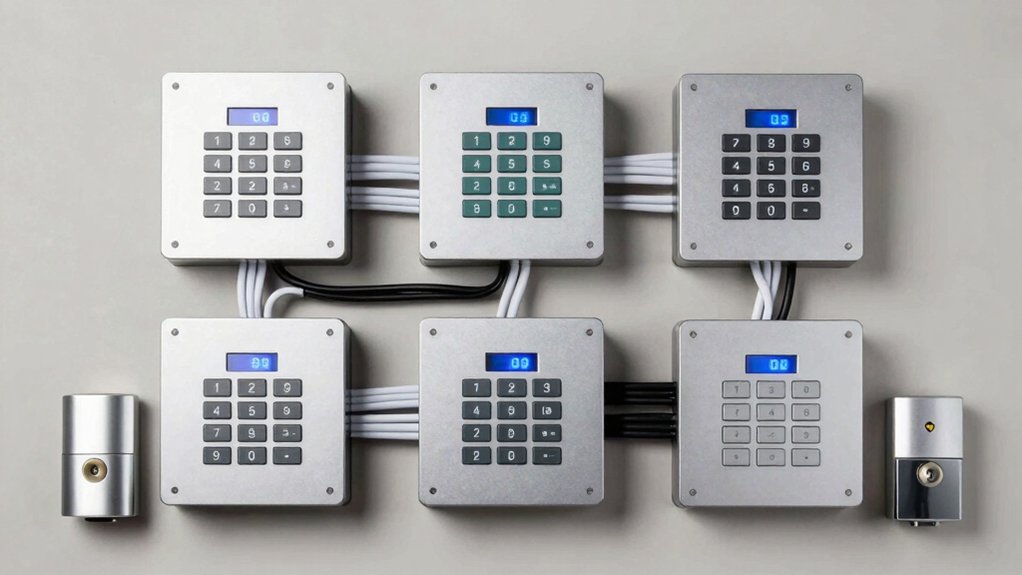

You need a wired alarm system that performs when it matters most—during network failures, power outages, and security threats. The right panel handles multiple zones, integrates with smart devices, and maintains protection through backup power and dual connectivity paths. Five proven options stand out for different needs: some prioritize DIY installation, others offer professional-grade durability, and a few deliver affordability without subscription costs. Understanding each system’s strengths helps you match your home’s requirements.
| Konnected 12-Zone Wired Smart Alarm Panel Pro Kit |

| Smart Home Integration King | Smart Home Integration: SmartThings, Alexa, Home Assistant, Hubitat, custom automations | Remote Access & Control: Smartphone/tablet app and voice assistant control | Zone Capacity: 12 hardwired zones | VIEW LATEST PRICE | Read Our Analysis |
| Honeywell Home Vista 20P and 6160 Keypad Kit Package W/12V4AH Battery |

| Professional Grade Powerhouse | Smart Home Integration: Resideo Total Connect Remote Services smartphone monitoring | Remote Access & Control: Smartphone remote monitoring via Total Connect | Zone Capacity: Up to 48 total zones (expandable) | VIEW LATEST PRICE | Read Our Analysis |
| UNO IP Hybrid Professional Grade Alarm Panel |
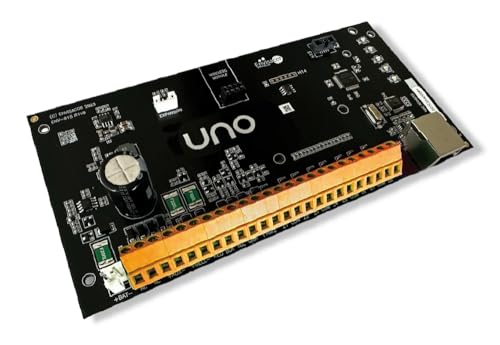
| Most Expandable System | Smart Home Integration: App-based control, smartphone virtual keypad, home automation interface | Remote Access & Control: Smartphone app, virtual keypad on iPhone/Android | Zone Capacity: 128 zones/users/FOBs | VIEW LATEST PRICE | Read Our Analysis |
| Arlo Home Security System with Keypad Sensor Hub |

| All-In-One Monitoring | Smart Home Integration: Arlo Secure App, professional monitoring with video verification | Remote Access & Control: Arlo Secure App control and emergency response | Zone Capacity: 2 all-in-one sensors with multiple detection functions | VIEW LATEST PRICE | Read Our Analysis |
| tolviviov Home Security Alarm System with WiFi & Sensors |

| Budget DIY Option | Smart Home Integration: WiFi app control, Alexa compatibility, real-time alerts | Remote Access & Control: WiFi app remote control with real-time notifications | Zone Capacity: Up to 20 sensors expandable | VIEW LATEST PRICE | Read Our Analysis |
More Details on Our Top Picks
Konnected 12-Zone Wired Smart Alarm Panel Pro Kit
If you’ve got an existing wired alarm system gathering dust, the Konnected 12-Zone Wired Smart Alarm Panel Pro Kit transforms it into your smart home integration king. You’ll connect motion sensors, door contacts, and window sensors directly to the panel. The kit includes a 12V power adapter, mounting hardware, and installation tools. You’ve got three connectivity options: Wi-Fi, Ethernet, or Power over Ethernet. After setup, you’ll control everything through SmartThings, Alexa, Home Assistant, or Hubitat. You can create automations that trigger smart lights or thermostats when sensors detect activity. There’s no battery dependency or subscription required, making this a straightforward retrofit solution.
- Smart Home Integration:SmartThings, Alexa, Home Assistant, Hubitat, custom automations
- Remote Access & Control:Smartphone/tablet app and voice assistant control
- Zone Capacity:12 hardwired zones
- Professional Monitoring:No subscription required
- Installation Type:DIY installation, no professional service required
- Power & Connectivity:Wi-Fi, Ethernet, PoE options
- Additional Feature:No batteries or subscriptions
- Additional Feature:Retrofits existing wired systems
- Additional Feature:Custom automation & routines
Honeywell Home Vista 20P and 6160 Keypad Kit Package W/12V4AH Battery
Need expandability without sacrificing reliability? The Honeywell Home Vista 20P offers eight hardwired zones that you can expand to 48 total zones using wireless and hardwired expansion modules. You’ll get the 6160 keypad with continuous backlighting, allowing you to monitor zones and system events clearly. The included 12V 4Ah battery keeps your system running during power outages. You can program four function keys for custom controls and integrate the system with Total Connect Remote Services for remote monitoring via smartphone. Installation includes wired connectivity for all components and comes with assembly instructions and mounting hardware.
- Smart Home Integration:Resideo Total Connect Remote Services smartphone monitoring
- Remote Access & Control:Smartphone remote monitoring via Total Connect
- Zone Capacity:Up to 48 total zones (expandable)
- Professional Monitoring:Compatible with professional alarm reporting services
- Installation Type:Retrofit installation with included accessories
- Power & Connectivity:12V 4Ah battery backup, wired connectivity
- Additional Feature:Expandable to 48 total zones
- Additional Feature:Continuously backlit large keypad
- Additional Feature:Robust 4000 mAh battery backup
UNO IP Hybrid Professional Grade Alarm Panel
The UNO IP Hybrid Professional Grade Alarm Panel serves homeowners who need the most expandable system on the market. You’ll control 128 zones, users, and key fobs through your smartphone app on iPhone or Android. The panel fits standard DSC or Honeywell enclosures and requires only an AC transformer for power. Setup’s straightforward: it automatically finds your IP address without router configuration. You program everything through the app—no cryptic keypad codes. When your internet fails, the optional Sidekick LTE provides cellular backup for alarm signaling. You’ll receive push notifications, texts, and emails instantly. Its compact design measures 7.5 by 3.75 by 1.25 inches, making installation simple in most homes.
- Smart Home Integration:App-based control, smartphone virtual keypad, home automation interface
- Remote Access & Control:Smartphone app, virtual keypad on iPhone/Android
- Zone Capacity:128 zones/users/FOBs
- Professional Monitoring:Dual-path connectivity (TCP-IP and cellular LTE option)
- Installation Type:Easy installation, fits standard security enclosures
- Power & Connectivity:AC transformer, TCP-IP wired connection
- Additional Feature:Supports 128 zones/users/FOBs
- Additional Feature:Dual-path LTE cellular option
- Additional Feature:App-based programming, no keypads
Arlo Home Security System with Keypad Sensor Hub
Looking for thorough protection without juggling multiple devices? The Arlo Home Security System combines a keypad hub with two 8-in-1 sensors in one integrated package. Each sensor detects motion, open/close, water leaks, freezing, smoke/CO alarms, tilt, and light changes. Install the hub on your wall, pair sensors via SecureLink, and control everything through the Arlo Secure App. The system includes 24/7 professional monitoring and one-tap emergency response for fire, police, or medical dispatch. Enable detection functions selectively for doors, windows, and under-sink areas. Professional monitoring requires a paid subscription after the trial period ends.
- Smart Home Integration:Arlo Secure App, professional monitoring with video verification
- Remote Access & Control:Arlo Secure App control and emergency response
- Zone Capacity:2 all-in-one sensors with multiple detection functions
- Professional Monitoring:24/7 professional monitoring, no contract required
- Installation Type:DIY installation with included components
- Power & Connectivity:230V corded electric, Wi-Fi connectivity
- Additional Feature:8-in-1 multi-function sensors
- Additional Feature:One-tap emergency response dispatch
- Additional Feature:24/7 professional monitoring included
tolviviov Home Security Alarm System with WiFi & Sensors
Want robust home security without breaking the bank? The tolviviov system offers WiFi-based protection with no monthly fees. You’ll get a base station, keypad, motion sensor, ten door sensors, and two remotes included. Install everything yourself—no professional needed. The 120dB siren deters intruders effectively. Use the mobile app to receive real-time alerts and control your system remotely from anywhere. The system works with Alexa for hands-free operation. Expand your setup up to twenty sensors and five keypads as needed. Note that it requires a 2.4GHz WiFi network, not 5GHz. Customer service and a user manual support your setup process.
- Smart Home Integration:WiFi app control, Alexa compatibility, real-time alerts
- Remote Access & Control:WiFi app remote control with real-time notifications
- Zone Capacity:Up to 20 sensors expandable
- Professional Monitoring:No monthly fees, DIY monitoring via app
- Installation Type:DIY installation, simple setup
- Power & Connectivity:2.4GHz WiFi, no battery backup mentioned
- Additional Feature:Expandable to 20 sensors
- Additional Feature:120dB siren alarm
- Additional Feature:Works with Alexa voice control
Factors to Consider When Choosing a Wired Alarm System
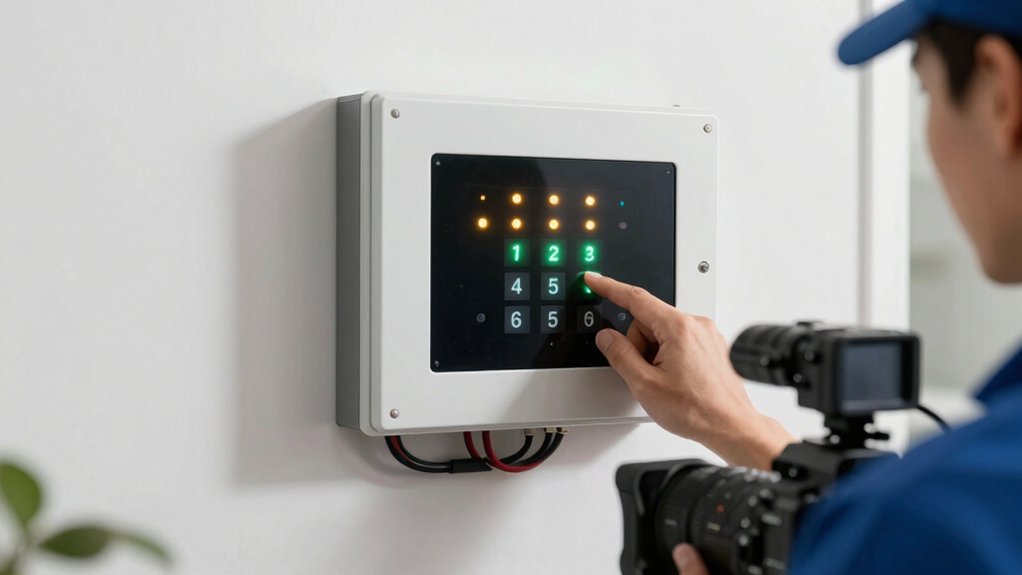
When selecting a wired alarm system, you’ll need to evaluate five key factors: zone capacity (how many sensors you can connect), expandability (whether you can add more zones later), power supply and battery backup options (to keep your system running during outages), professional monitoring availability (for alerts sent to security companies), and smart home integration (to control your system via smartphone or voice commands). Installation complexity varies by system, so you should check whether the manufacturer provides detailed guides, video tutorials, or customer support to help you set up the equipment yourself or determine if you need professional installation. Consider each factor based on your home’s layout, your technical comfort level, and your budget to find the system that best fits your security needs.
Zone Capacity And Expandability
Zone capacity—the maximum number of hardwired zones your system can monitor—directly determines whether your alarm can protect your entire home now and accommodate future expansion. Start by counting your doors, windows, and motion sensors to establish your current needs. Next, add 20–30% extra capacity for future additions like garage conversions or security upgrades. Check the base panel’s zone limit, then verify expansion module capabilities. Some systems support dozens of additional zones through dual-path signaling or separate input modules. Review the per-module expansion limits to confirm scalability. Match your chosen system’s maximum supported zones against both immediate requirements and long-term plans. This prevents costly replacements if your home security needs grow.
Power Supply And Battery Backup
Reliable power ensures your wired alarm system functions continuously, whether mains power stays stable or fails unexpectedly. Check if your chosen system includes a dedicated 12V DC backup battery. This battery maintains operation during outages and is measured in milliamp-hours (mAh) or amp-hours (Ah)—higher capacity means longer runtime without external power. Some panels offer dual-path power options, combining AC power with cellular or ethernet backup to guarantee continued signal transmission if primary power drops. Systems without internal batteries depend entirely on external power, risking complete failure during outages. Schedule regular battery checks and replacements to prevent unexpected power loss and false alarms. Verify your system’s specific power requirements before purchasing to ensure adequate backup coverage for your home.
Professional Monitoring Options
Because your wired alarm system’s effectiveness depends on rapid response to threats, you’ll need to decide whether professional monitoring fits your security needs and budget. Professional monitoring centers watch your system 24/7 and contact authorities when alarms trigger. Most services offer incident verification through video or images, priority dispatch, and fire, police, and medical response coordination. You’ll choose between trial monitoring periods or ongoing subscription plans with monthly or yearly fees. Check your system’s compatibility with monitoring services like Total Connect or SecureLink, as these affect installation and remote access features. For enhanced reliability, select dual-path signaling, which uses cellular backup if your internet connection fails during outages. Compare monitoring costs against your security priorities before committing to a plan.
Smart Home Integration Compatibility
Once you’ve selected your professional monitoring service, you’ll want to guarantee your wired alarm system works seamlessly with the smart devices you already own or plan to install. Check compatibility with major ecosystems like SmartThings, Alexa, Home Assistant, and Hubitat. Verify that your panel supports Wi-Fi, Ethernet, or PoE connectivity for remote access alongside wired sensors. Review automation capabilities—confirm the system can trigger lights, thermostats, and other devices based on sensor events. Test voice assistant integration to enable hands-free control and routine creation through your preferred platform. Finally, confirm dual-path or cellular backup options exist to maintain smart-home monitoring if your primary network fails. This ensures uninterrupted protection and automation regardless of connectivity issues.
Installation Complexity And Support
How much time and technical skill can you dedicate to setting up your wired alarm system? Some systems offer plug-and-play setup, while others require mounting, wiring, and sensor integration. Check whether your chosen system includes auto-detect features that automatically configure IP addresses, reducing programming demands. Review the manual and support resources before purchasing. Systems with comprehensive step-by-step guides and responsive technical support teams minimize installation headaches. Evaluate remote access options like Wi-Fi, Ethernet, or cellular connectivity, as these affect post-install troubleshooting needs. Consider compatibility with your existing wired sensors and expansion capabilities for additional zones or modules. If you lack technical confidence or time, prioritize systems designed for straightforward DIY installation or budget for professional installation services.
Connectivity And Remote Access
What connectivity options does your wired alarm system provide for remote monitoring? You’ll want to confirm whether your system supports Ethernet, Wi-Fi, or Power over Ethernet (PoE) connections for smartphone and tablet access. Check if the system integrates with smart home ecosystems like SmartThings, Home Assistant, or Hubitat for automated control. Review whether remote access requires ongoing subscription fees or relies on local network connectivity instead. Verify that the app-based control allows you to arm and disarm the system, view sensor status, and receive push or email alerts from anywhere with internet access. Consider dual-path options such as backup cellular or LTE connectivity to maintain monitoring if your primary internet connection fails.
Long-Term Cost Considerations
Whether you’re comparing initial hardware investments or planning for years ahead, you’ll find that wired alarm systems often deliver better financial value than their wireless counterparts because many models eliminate recurring subscription fees entirely. Consider systems with built-in power options like AC or PoE, which remove battery replacement costs. Evaluate expansion capacity if you anticipate adding zones or sensors later—growth requirements now prevent expensive modifications later. Assess dual-path or cellular backup features; though they increase upfront costs, they prevent false alarm penalties and monitoring outages that drain savings. Finally, verify compatibility with your smart home ecosystem to avoid adapter purchases and future upgrade expenses. These factors directly impact your total cost of ownership over five to ten years.
Final Thoughts
You’ll want to evaluate each system based on your specific needs. Compare zone capacity, connectivity options, and monitoring services. Install hardwired components first, then configure remote access through your chosen platform. Test all entry points and backup power before finalizing your setup. Choose a system matching your home’s layout and your technical comfort level. Verify professional monitoring availability in your area before purchasing.

Meet Ry, “TechGuru,” a 36-year-old technology enthusiast with a deep passion for tech innovations. With extensive experience, he specializes in gaming hardware and software, and has expertise in gadgets, custom PCs, and audio.
Besides writing about tech and reviewing new products, he enjoys traveling, hiking, and photography. Committed to keeping up with the latest industry trends, he aims to guide readers in making informed tech decisions.