
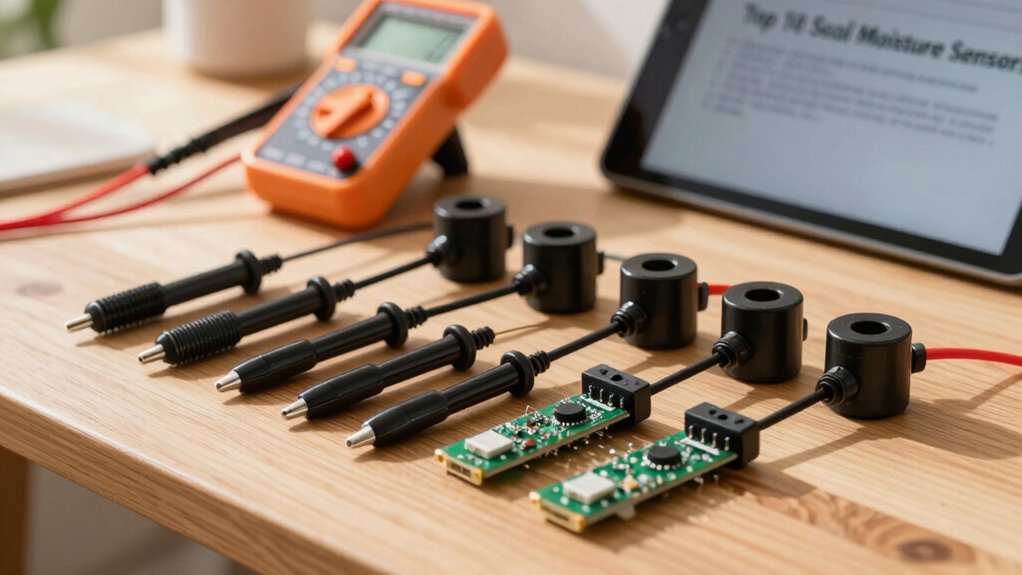

Try these 10 soil moisture sensors: XLUX No-Battery probes for quick, battery-free readings; 4-in-1 meters that also measure pH, temp, and light; HiLetgo LM393 Arduino sensors for digital and analog outputs; RAINPOINT WiFi hub-enabled for real-time remote monitoring; Ambient Weather WH31SM with multi-channel support; Sustee/AITRIP capacitive probes for corrosion resistance; THIRDREALITY Zigbee sensors for home ecosystems; and a Zigbee Hub option for integration. For each, follow depth guidelines, test multiple spots, and maintain logs. If you keep exploring, you’ll gain deeper setup tips and maintenance steps.
| XLUX Soil Moisture Meter for Plants No Battery Needed |
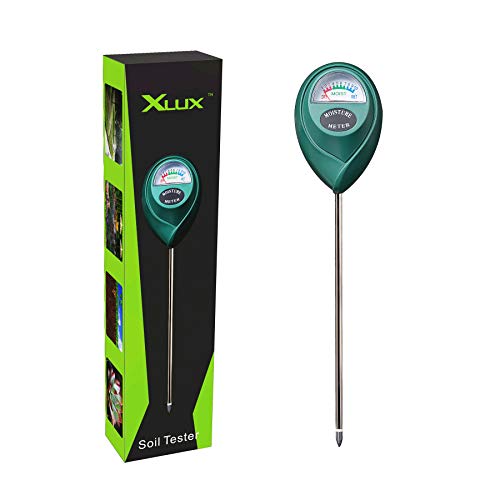
| Best Budget Simplicity | Sensor Type: Probe-based soil moisture meter | Power/Battery: No batteries required | Reading Type: Analog moisture dial reading | VIEW LATEST PRICE | Read Our Analysis |
| 4-in-1 Soil Moisture Meter with Temperature & PH |

| All-In-One Probe | Sensor Type: 4-in-1 (moisture, pH, temperature, light) | Power/Battery: AAA batteries x4 (not included) | Reading Type: Digital readings via LCD (moisture, pH, temp, light) | VIEW LATEST PRICE | Read Our Analysis |
| HiLetgo LM393 Soil Moisture Sensor for Arduino 5pcs |
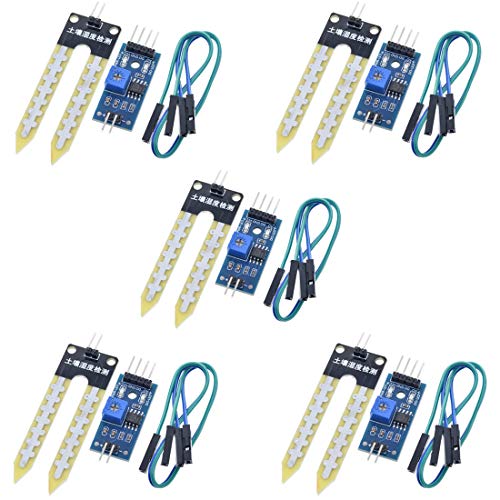
| Arduino-Friendly Pick | Sensor Type: LM393 soil moisture sensor module | Power/Battery: No battery (passive sensor module) | Reading Type: Digital output (D0) and analog output (AO) | VIEW LATEST PRICE | Read Our Analysis |
| RAINPOINT Smart Wireless Plant Moisture Meter with WiFi Hub |

| Smart Wireless Reach | Sensor Type: Capacitive soil moisture meter | Power/Battery: Requires hub or power via connected device (battery not specified) | Reading Type: Digital moisture reading on LCD (and optional app) | VIEW LATEST PRICE | Read Our Analysis |
| Ambient Weather Soil Moisture Sensor for WS-2000/WS-5000 |
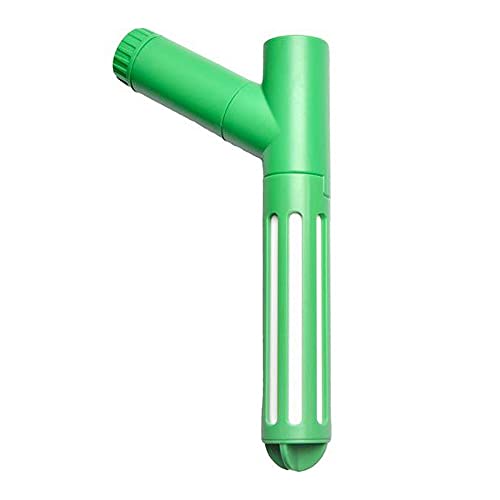
| Weather-Ready Sensor | Sensor Type: Wireless soil moisture sensor (Ambient Weather WH31SM) | Power/Battery: Battery powered (1 AA) | Reading Type: Wireless readouts via WS/Hub integration | VIEW LATEST PRICE | Read Our Analysis |
| XLUX Soil Moisture Sensor Meter (2 Pack) |

| Dual-Pack Value | Sensor Type: Probe-based soil moisture meter (XLUX) | Power/Battery: No batteries required | Reading Type: Analog moisture reading on dial | VIEW LATEST PRICE | Read Our Analysis |
| Sustee Aquameter Set of 5 Plant Soil Moisture Sensor (Green Small) |
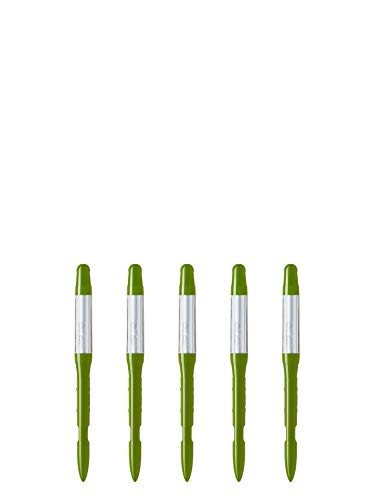
| Refill-and-Observe | Sensor Type: Leave-in soil moisture sensor sticks | Power/Battery: No batteries required | Reading Type: Color-change moisture indication (white/blue) | VIEW LATEST PRICE | Read Our Analysis |
| AITRIP 10-Pack Capacitive Soil Moisture Sensor (Arduino) |
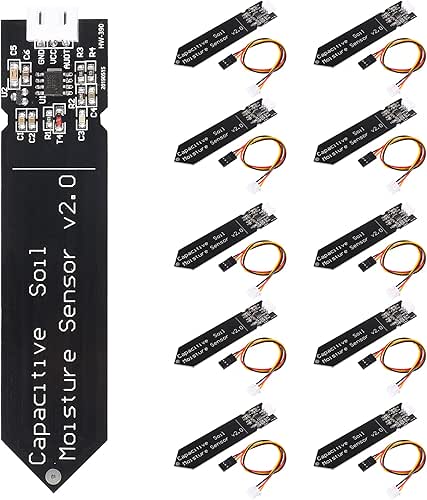
| Capacitive Durability | Sensor Type: Capacitive soil moisture sensor (Arduino kit) | Power/Battery: No external power (sensor module; in kit) | Reading Type: Analog/digital outputs via Arduino interface | VIEW LATEST PRICE | Read Our Analysis |
| THIRDREALITY Smart Soil Moisture Sensor 3-Pack |

| Zigbee Smart Control | Sensor Type: Capacitive soil moisture sensor ( THIRDREALITY 3-pack) | Power/Battery: Batteries included (3 AA) | Reading Type: Capacitive moisture + temperature readings | VIEW LATEST PRICE | Read Our Analysis |
| Smart Soil Moisture Sensor with Zigbee Hub Required |

| Hub-Driven Automation | Sensor Type: Capacitive soil moisture sensor (ThirdReality, Zigbee) | Power/Battery: Battery included (1 AA) | Reading Type: Capacitive moisture readings (Zigbee hub) | VIEW LATEST PRICE | Read Our Analysis |
More Details on Our Top Picks
XLUX Soil Moisture Meter for Plants No Battery Needed
The XLUX Soil Moisture Meter for Plants, No Battery Needed, is ideal if you want a quick, battery-free way to check moisture levels. You insert the probe into soil, and the dial shows dry, moist, or wet readings immediately. Read the large three-zone, ten-scale dial to interpret levels. Follow usage rules: do not test very hard soil, avoid liquids, and wipe the probe after testing. Do not leave the metal tip in soil longer than five minutes to prevent corrosion. Use a single probe to minimize root disruption; remove gently and recheck nearby areas if needed.
- Sensor Type:Probe-based soil moisture meter
- Power/Battery:No batteries required
- Reading Type:Analog moisture dial reading
- Probe/Sensor Longevity:Single-probe design; minimal root disruption
- Indoor/Outdoor Use:Indoor/outdoor
- Display/Interface:Analog dial display
- Additional Feature:Wipe probe after testing
- Additional Feature:Minimal root disruption
- Additional Feature:No batteries required
4-in-1 Soil Moisture Meter with Temperature & PH
A 4-in-1 Soil Moisture Meter with Temperature & pH stands out for users who need a single tool to manage water, acidity, and light in one pass. You insert the probe about 4 inches (10 cm) into soil and wait 10 seconds for results. Read moisture, pH, temperature, and light with the large LCD, refreshing with the white backlight. For accuracy, test at least 5 locations and average the values. Use test tips: don’t test liquids, water very dry areas first, then wait 10 minutes. Replace batteries (AAA x 4) when the device alerts low power.
- Sensor Type:4-in-1 (moisture, pH, temperature, light)
- Power/Battery:AAA batteries x4 (not included)
- Reading Type:Digital readings via LCD (moisture, pH, temp, light)
- Probe/Sensor Longevity:4-in-1 probe assembly (integrated sensors)
- Indoor/Outdoor Use:Indoor and outdoor
- Display/Interface:LCD display with backlight
- Additional Feature:Large LCD with backlight
- Additional Feature:AAA batteries required
- Additional Feature:5-location average guidance
HiLetgo LM393 Soil Moisture Sensor for Arduino 5pcs
Choose the HiLetgo LM393 Soil Moisture Sensor for Arduino 5pcs when you want a ready-to-use, dual-output module that fits a simple 4-pin setup and covers both quick checks and precise readings. You get five sensors in one package, each with digital (D0) and analog (AO) outputs. Connect VCC, GND, DO, and AO to your controller. Use D0 for simple moisture high/low decisions, or AO with an ADC for a detailed value. Adjust the blue potentiometer to set the threshold. Operate at 3.3V–5V, mount with fixed holes, and wire carefully for reliable readings.
- Sensor Type:LM393 soil moisture sensor module
- Power/Battery:No battery (passive sensor module)
- Reading Type:Digital output (D0) and analog output (AO)
- Probe/Sensor Longevity:LM393 sensor module; standard probe
- Indoor/Outdoor Use:General use with Arduino projects (indoor/outdoor implied)
- Display/Interface:Digital/analog outputs to microcontroller
- Additional Feature:Dual outputs: D0 and AO
- Additional Feature:Blue potentiometer adjuster
- Additional Feature:Fixed mounting holes
RAINPOINT Smart Wireless Plant Moisture Meter with WiFi Hub
RAINPOINT Smart Wireless Plant Moisture Meter with WiFi Hub stands out for real-time monitoring and remote access. You place the capacitive probe in soil, connect a 2.4 GHz hub, and pair to the RAINPOINT Home app. The LCD shows moisture readings every 3 minutes, with instant manual checks by pressing a button. Use indoors or outdoors thanks to IPX5 water resistance. Readings update automatically, and you can enable remote monitoring after hub connection. The device detects moisture automatically, providing clear levels 24/7. Optional remote access helps schedule watering without guesswork, improve plant health, and manage multiple pots.
- Sensor Type:Capacitive soil moisture meter
- Power/Battery:Requires hub or power via connected device (battery not specified)
- Reading Type:Digital moisture reading on LCD (and optional app)
- Probe/Sensor Longevity:Capacitive probe (long lifespan)
- Indoor/Outdoor Use:Indoor and outdoor use
- Display/Interface:LCD display; app optional
- Additional Feature:WiFi app monitoring
- Additional Feature:IPX5 water resistance
- Additional Feature:Remote monitoring via app
Ambient Weather Soil Moisture Sensor for WS-2000/WS-5000
The Ambient Weather WH31SM Soil Moisture Sensor is a practical choice for expanding your WS-2000 or WS-5000 setup, because it supports up to eight channels and provides a straightforward path to monitor multiple soil areas with a single system. This sensor uses 915 MHz wireless communication, giving a range of up to 300 feet under optimal conditions. It refreshes every 71 seconds, so you’ll see updates regularly. It measures soil moisture with one included sensor, powered by a single AA battery. Install, pair with WS-2000/WS-5000, and configure up to eight channels for comprehensive soil monitoring.
- Sensor Type:Wireless soil moisture sensor (Ambient Weather WH31SM)
- Power/Battery:Battery powered (1 AA)
- Reading Type:Wireless readouts via WS/Hub integration
- Probe/Sensor Longevity:External sensor with 915 MHz wireless link
- Indoor/Outdoor Use:Outdoors and weather stations
- Display/Interface:Remote/app-based monitoring via hub
- Additional Feature:8-channel compatibility
- Additional Feature:Wireless 915 MHz
- Additional Feature:71-second refresh rate
XLUX Soil Moisture Sensor Meter (2 Pack)
XLUX Soil Moisture Sensor Meter (2 Pack) offers a straightforward, battery-free way to gauge soil moisture with a clear, three-zone dial. You insert the probe into soil, and the dial shows dry, moist, or wet. Read immediately after insertion, and note that this measures soil at the probe tip rather than surface only. Use two meters for pots and garden beds, keeping the metal tip dry when testing. Do not test very hard soil or liquids, and wipe the probe clean after use. Store the meters upright; remove them carefully to minimize root damage.
- Sensor Type:Probe-based soil moisture meter (XLUX)
- Power/Battery:No batteries required
- Reading Type:Analog moisture reading on dial
- Probe/Sensor Longevity:Single probe; no battery
- Indoor/Outdoor Use:Indoor/outdoor gardening
- Display/Interface:Analog dial display
- Additional Feature:Two-pack kit
- Additional Feature:Freestanding mounting
- Additional Feature:Up to 150°F rating
Sustee Aquameter Set of 5 Plant Soil Moisture Sensor (Green Small)
Sustee Aquameter, Set of 5 provides a simple, in-soil monitoring solution for small planters. You insert each green, small stick into the soil of pots sized 2 to 3 inches to monitor moisture. The set includes five refillable sticks and a moisture meter with a replacement core, lasting about 6–9 months. When soil is dry, the indicator turns white; when watered, it turns blue. Use the leave-in design to continuously monitor without removal. For best results, pair with the type of soil you have, and replace cores as needed for accurate readings.
- Sensor Type:Leave-in soil moisture sensor sticks
- Power/Battery:No batteries required
- Reading Type:Color-change moisture indication (white/blue)
- Probe/Sensor Longevity:Refillable Sustee sticks with replaceable core
- Indoor/Outdoor Use:Indoor potted plants
- Display/Interface:Visual color indicator on stick
- Additional Feature:Refillable replacement core
- Additional Feature:Color-change indicators
- Additional Feature:Long-lasting 6–9 months
AITRIP 10-Pack Capacitive Soil Moisture Sensor (Arduino)
This 10-pack of capacitive soil moisture sensors from AITRIP is a practical choice for Arduino projects when you need multiple probes for accurate soil moisture monitoring. You connect each sensor to a 3.3–5.5V supply and to an Arduino analog input, using the PH2.54-3P interface. Capacitive sensing resists corrosion, extending life, and you’ll see clearer readings than resistive types. Use the built-in regulator and wire for 3.3–5.5V; for Raspberry Pi, add an external ADC. Pair each sensor with soil checks, plot trends, and adjust watering schedules based on real moisture data.
- Sensor Type:Capacitive soil moisture sensor (Arduino kit)
- Power/Battery:No external power (sensor module; in kit)
- Reading Type:Analog/digital outputs via Arduino interface
- Probe/Sensor Longevity:Capacitive probe; corrosion resistant
- Indoor/Outdoor Use:Indoor/DIY environments
- Display/Interface:No built-in display; interfaces to microcontrollers
- Additional Feature:3.3–5.5V operation
- Additional Feature:Raspberry Pi ADC required
- Additional Feature:10 sensors included
THIRDREALITY Smart Soil Moisture Sensor 3-Pack
The THIRDREALITY Smart Soil Moisture Sensor 3-Pack stands out for its capacitive moisture sensing and multi-meter capabilities, making it a strong choice if you need reliable, real-time readings across a 3-pack setup. You install the sensors with a Zigbee hub, ensuring compatibility with Zigbee 3.0, Home Assistant, Hubitat, and SmartThings. Use the included 3 AA batteries and place sensors in soil to read moisture and temperature. Rely on real-time alerts to your phone for irrigation control, and update firmware OTA when available. Note that Alexa compatibility is not supported; use Smart Bridge MZ1 for Apple or Google Home routines.
- Sensor Type:Capacitive soil moisture sensor ( THIRDREALITY 3-pack)
- Power/Battery:Batteries included (3 AA)
- Reading Type:Capacitive moisture + temperature readings
- Probe/Sensor Longevity:Integrated capacitive probe
- Indoor/Outdoor Use:Gardens, farms, greenhouses, outdoor
- Display/Interface:Smartphone alerts and monitor interface
- Additional Feature:Zigbee 3.0 compatible
- Additional Feature:Real-time smartphone alerts
- Additional Feature:OTA firmware updates
Smart Soil Moisture Sensor with Zigbee Hub Required
If you need Zigbee-based soil monitoring that integrates with existing smart-home setups, the THIRDREALITY Smart Soil Moisture Sensor stands out because it requires a Zigbee hub and works with Zigbee 3.0 ecosystems like Home Assistant (ZHA & Z2M), Hubitat, and SmartThings with Aeotec. You install the sensor, pair it to your Zigbee hub, and confirm compatibility with your system. Use the real-time alerts to trigger watering schedules, and enable remote monitoring via your phone. Consider the optional Smart Bridge MZ1 to connect with Apple Home or Google Home, then update firmware OTA for stability.
- Sensor Type:Capacitive soil moisture sensor (ThirdReality, Zigbee)
- Power/Battery:Battery included (1 AA)
- Reading Type:Capacitive moisture readings (Zigbee hub)
- Probe/Sensor Longevity:Capacitive probe; robust for soil types
- Indoor/Outdoor Use:Gardens, farms, outdoor
- Display/Interface:Smartphone alerts via Zigbee hub
- Additional Feature:Not Alexa compatible
- Additional Feature:Compact tabletop mounting
- Additional Feature:1 AA battery included
Factors to Consider When Choosing Soil Moisture Sensors
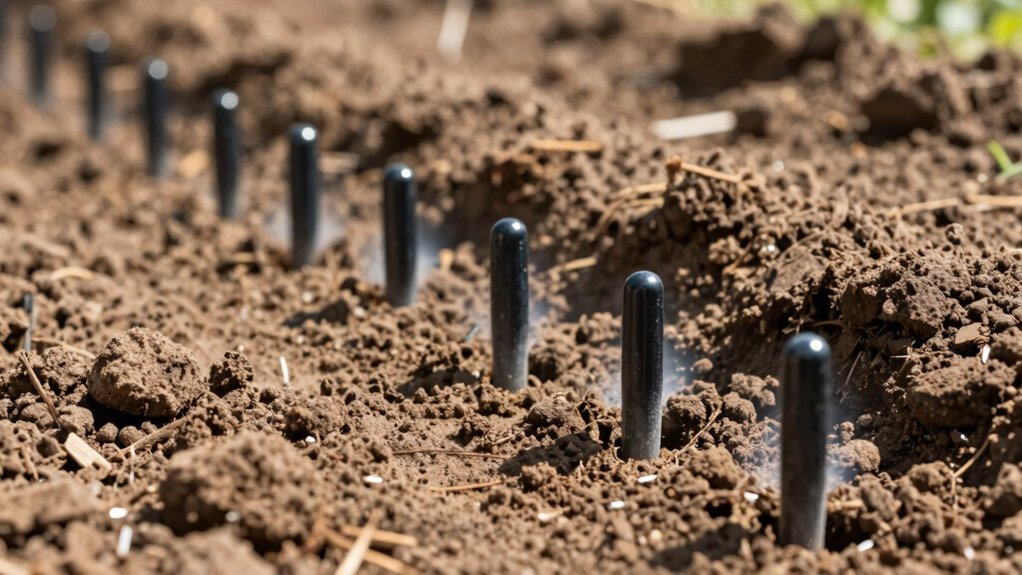
When selecting sensors, start by choosing the Sensor Type and Pros that fit your needs, then confirm Power and Longevity so you know battery life or power requirements. Check Measurement Range Clarity to ensure the probe covers your soil depth and moisture levels, and review Installation And Use steps to plan placement and calibration. Finally, assess Environment Suitability for your climate and soil conditions, and compare how each option handles temperature, salinity, and moisture variability.
Sensor Type and Pros
Choosing the right soil moisture sensor starts with understanding the main sensor types and what they offer. Capacitive sensors measure moisture via dielectric permittivity, offering longer life and less corrosion than resistive sensors. Analog outputs provide continuous moisture values; digital outputs give simple high/low readings for straightforward control. Probes that measure deeper soil moisture, such as 4–10 cm, are more representative than surface-only probes. Most devices operate at 3.3V–5V, with some including built-in regulators or requiring a separate ADC for microcontroller compatibility. Look for sensors with replaceable or refillable cores and minimal root disturbance to support long-term monitoring without frequent soil disruption. Choose a model matching your controller’s input type, then assess depth, durability, and maintenance needs for sustained accuracy.
Power and Longevity
Power and longevity come next after understanding sensor types. You decide on power needs first. If you use battery-powered models, know you’ll replace or recharge AA or AAA cells, increasing maintenance and operating costs over time. Consider designs that don’t require batteries; these use passive sensing and typically have lower ongoing power needs. Capacitive sensors generally consume less power and resist corrosion better than resistive probes, boosting longevity in damp or varying soils. Do not leave probes in soil for extended periods, as staying buried for more than five minutes can accelerate metal tip corrosion and shorten life. If you require wireless or hub-connected sensors, expect extra power draw from transmitter activity and network communication, which reduces battery life and increases maintenance frequency.
Measurement Range Clarity
Measurement range clarity shows how well a sensor separates dry, moist, and wet soil on its readout. You look for distinct zones or thresholds on a display or dial. Some sensors give a direct dry/moist/wet category, others output a continuous analog voltage or percentage for finer detail. Capacitive sensors typically provide more stable, precise readings across soil conditions, improving range clarity versus resistive types that drift with salinity. Readings may need averaging across multiple probe insertions or locations to produce an accurate final value. Clear ranges come from adjustable thresholds or calibrated scales, so you can map readings to specific watering actions. Verify if the device supports custom thresholds and documented calibration steps for your soil and plant needs.
Installation And Use
Start by selecting the insert depth that matches your planting zone and root depth, then prepare to insert the probe about 4 inches (10 cm) into the soil for accurate readings; if you’re unsure, plan to test at multiple depths and locations. Once inserted, note the reading time required by your model, allowing a short wait—from about 10 seconds up to 5 minutes—to reach a stable measurement. After testing, wipe the probe clean and avoid leaving metal tips in soil for extended periods to prevent corrosion. For soil contact, avoid very hard soil and liquids, and test at least five locations to obtain an average reading. Power or mounting varies; some sensors are battery-powered, others are passive, and some offer mounting holes or freestanding designs.
Environment Suitability
How you choose the right soil moisture sensor depends on where it will be used and the conditions it must endure. Start by evaluating environment: indoor sites need low drift and stable readings in pots; outdoor sites require weather resistance and moisture tolerance with IP-rated protection. Choose capacitive probes when you expect soil salinity or corrosion; they last longer than resistive types. Check compatibility: some sensors work with 2.4 GHz WiFi hubs, others with Zigbee; pick one that fits your network. For humidity and rain exposure, select water-resistant housings or IPX-rated sensors. Decide on data cadence: real-time updates suit active irrigation, while periodic updates may suffice in stable spaces. Ensure app integration aligns with your monitoring workflow and alerts.
Data Access Options
To choose soil moisture sensors for data access, first identify how you’ll receive and view readings. You’ll choose between on-device readouts, local displays, and remote monitoring via apps or hubs over Wi‑Fi or Zigbee. Consider update timing: some sensors push real-time data at fixed intervals, others require manual triggers, which affects response speed. Compare sensor types: capacitive sensors give more stable readings and longer life for data access, while resistive sensors can degrade and skew measurements over time. If you need remote access, ensure there’s a hub or gateway to push data to mobile apps or home systems. Decide whether you want multi-parameter readouts (moisture, temperature, pH, light) or single moisture readings, since that changes insight per device.
Maintenance And Care
Regularly inspect and care for your soil moisture sensors to maintain accuracy and extend life. Start by following timing guidelines: many probes should not stay in soil for more than 5 minutes to prevent metal tip corrosion or damage. After testing, wipe the probe clean to prevent residue build-up that can affect readings. For sensors with probes, avoid testing very hard soil or testing liquids, as this can misread moisture levels or damage the sensor. If you use capacitive sensors, calibration is less frequent, but you must still follow manufacturer guidance on cleaning and storage. Replace or service sensors with refillable cores or replaceable parts as recommended to maintain accurate, reliable measurements over time. Maintain a clear maintenance log and schedule inspections.
Final Thoughts
You should pick a sensor based on your setup and needs. Start with a quick check: do you want battery-free or powered? For simplicity, choose XLUX or a 4-in-1 meter for easy readings. If you need wireless or Wi‑Fi, select RainPoint or Ambient Weather with a hub. For Arduino projects, use HiLetgo LM393 or AITRIP packs. Finally, compare soil type compatibility, range, and moisture accuracy; confirm calibration steps, then deploy and monitor readings.

Meet Ry, “TechGuru,” a 36-year-old technology enthusiast with a deep passion for tech innovations. With extensive experience, he specializes in gaming hardware and software, and has expertise in gadgets, custom PCs, and audio.
Besides writing about tech and reviewing new products, he enjoys traveling, hiking, and photography. Committed to keeping up with the latest industry trends, he aims to guide readers in making informed tech decisions.