
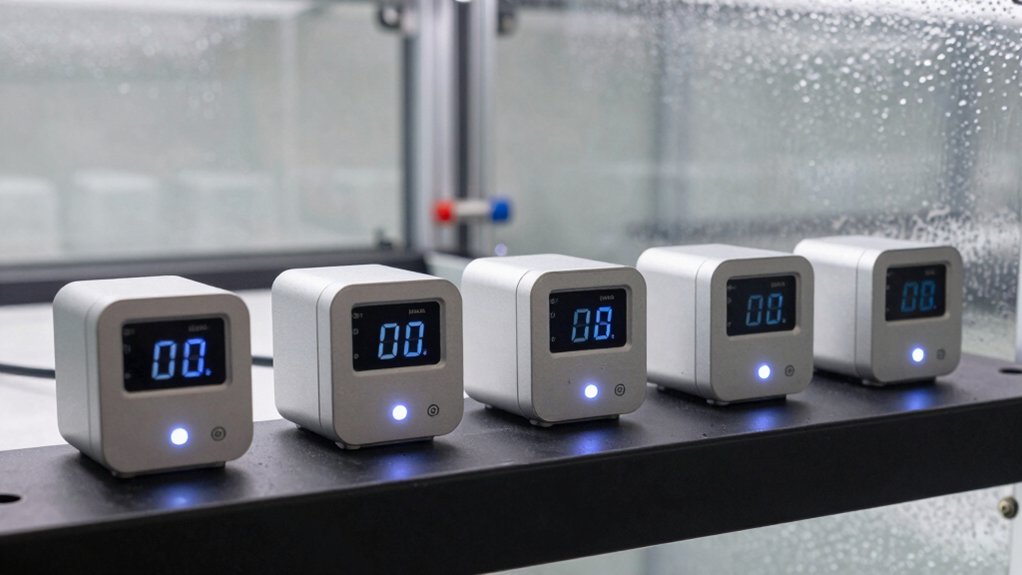

Here are the 5 best humidity sensors for grow rooms you should consider: Govee H5075 for real-time updates, alerts, and a 3-inch LCD; TempPro TP50 and TP49 for accurate indoor readings and 10-second updates with clear displays; VIVOSUN AeroLab THB1S offers dual locations and instant threshold alerts; Antonki 2-Pack provides dual sensors with MAX/MIN logs and auto-calibration. Use these features to plan placement, set alerts, and export data for long-term trends; more details follow.
| Govee Bluetooth Hygrometer & Temperature Monitor H5075 |
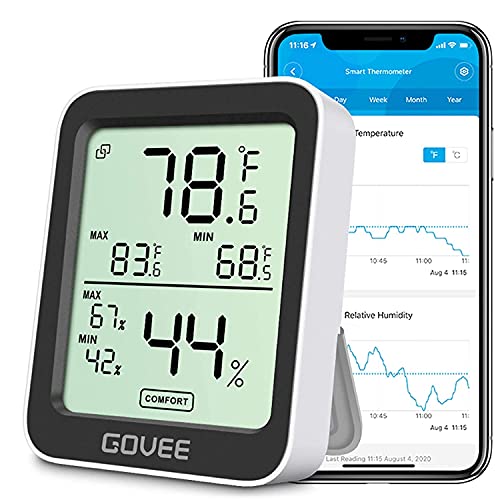
| Best Overall Bluetooth | Type: Bluetooth hygrometer/thermometer | Temperature Range/Scale: Temperature readings (noted up to 140°F limit) | Humidity Measurement: Humidity readings (±3% RH) | VIEW LATEST PRICE | Read Our Analysis |
| TempPro TP50 Digital Hygrometer and Humidity Monitor |

| Versatile Portable | Type: Digital hygrometer/thermometer | Temperature Range/Scale: °F/°C selector | Humidity Measurement: Humidity readings (accuracy ±2 to 3% RH) | VIEW LATEST PRICE | Read Our Analysis |
| VIVOSUN AeroLab THB1S Bluetooth Hygrometer Thermometer |

| Grow-Room Friendly | Type: Bluetooth hygrometer/thermometer with dual channels | Temperature Range/Scale: Temperature readings (0.9°F upper rating noted) | Humidity Measurement: Humidity readings (±5% RH) | VIEW LATEST PRICE | Read Our Analysis |
| TempPro TP49 Digital Hygrometer Indoor/Outdoor Thermometer |
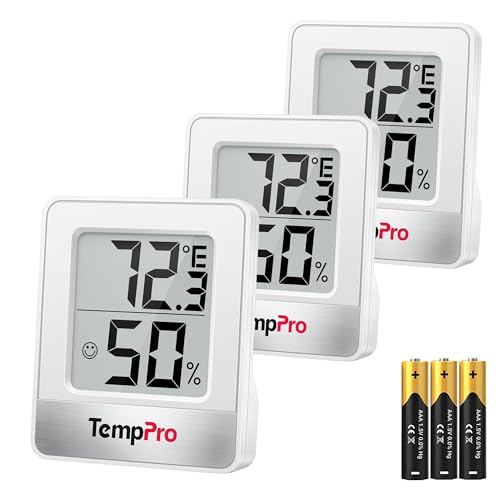
| Outdoor-Ready Flex | Type: Digital hygrometer/thermometer | Temperature Range/Scale: Noted temperature readings ( ±1°C/°F ) | Humidity Measurement: Humidity readings ( ±2% to 3% RH ) | VIEW LATEST PRICE | Read Our Analysis |
| Antonki 2-Pack Indoor Thermometer Hygrometer with MAX/MIN |

| Budget Dual-Pack | Type: Indoor hygrometer/thermometer | Temperature Range/Scale: Temperature range -58 to 158°F | Humidity Measurement: Humidity readings (10% to 99%) | VIEW LATEST PRICE | Read Our Analysis |
More Details on Our Top Picks
Govee Bluetooth Hygrometer & Temperature Monitor H5075
The Govee Bluetooth Hygrometer & Temperature Monitor H5075 is a strong pick if you need remote, real-time tracking of temperature and humidity in a grow room. You set up the device with the 2 AAA batteries, then mount it on a table or wall. Use the Bluetooth app for remote monitoring up to 164 ft, and enable alerts for out-of-range conditions. Check the 3-inch LCD display for quick readings, and review max/min records and comfort indicators. Access 20-day graphs and export two years of data in CSV if needed, for long-term analysis and recordkeeping.
- Type:Bluetooth hygrometer/thermometer
- Temperature Range/Scale:Temperature readings (noted up to 140°F limit)
- Humidity Measurement:Humidity readings (±3% RH)
- Data Storage / History:2 years data storage/export (CSV)
- Alerts / Notifications:App alerts for out-of-range readings
- Power / Battery:2 AAA batteries (included)
- Additional Feature:3-inch bright LCD display
- Additional Feature:164ft remote app control
- Additional Feature:Max/min records and comfort indicators
TempPro TP50 Digital Hygrometer and Humidity Monitor
If you need a straightforward, reliable way to track humidity and temperature in small grow rooms, consider the TempPro TP50 Digital Hygrometer. You place it on a counter or fridge using the magnetic back or tabletop stand. It shows humidity with DRY/COMFORT/WET icons for quick checks, and it updates every 10 seconds. The display switches between °F and °C, and it records high and low readings for trend review. It runs on a single AAA battery and measures accuracy to ±2–3% RH and ±1°F. Use it to monitor environments like soil, humidors, or reptile enclosures.
- Type:Digital hygrometer/thermometer
- Temperature Range/Scale:°F/°C selector
- Humidity Measurement:Humidity readings (accuracy ±2 to 3% RH)
- Data Storage / History:2-year data storage; data export
- Alerts / Notifications:Instant notifications for threshold breaches
- Power / Battery:1 AAA battery
- Additional Feature:Humidity/temperature self-display
- Additional Feature:10-second update cadence
- Additional Feature:°F/°C selector
VIVOSUN AeroLab THB1S Bluetooth Hygrometer Thermometer
Choose the VIVOSUN AeroLab THB1S when you need a Bluetooth hygrometer that pairs with a grow tent setup and offers quick alerts. You connect the device via Bluetooth to the Vivosun App, then view real-time temp, humidity, and VPD. Use the dual channels with the included sensor probe for two locations. Set threshold alerts, and receive instant notifications if levels breach your targets. The LCD screen shows high/low records and comfort indicators. It stores data for two years, exports data, and integrates with GrowHub and E25 displays. Battery included; mount on table, wall, or stand.
- Type:Bluetooth hygrometer/thermometer with dual channels
- Temperature Range/Scale:Temperature readings (0.9°F upper rating noted)
- Humidity Measurement:Humidity readings (±5% RH)
- Data Storage / History:2-year data storage; data export
- Alerts / Notifications:Instant notifications for set threshold breaches
- Power / Battery:Battery included (type not specified)
- Additional Feature:Dual-channel with external probe
- Additional Feature:2-year free data storage
- Additional Feature:Visual VPD design
TempPro TP49 Digital Hygrometer Indoor/Outdoor Thermometer
Consider the TempPro TP49 Digital Hygrometer as a strong fit when you need reliable, dual readouts of indoor and outdoor conditions with clear guidance for climate control. You get humidity and temperature readings with fast updates every 10 seconds. Use the large LCD display, readable from angle and distance, to monitor changes. The face icon comfort indicator shows DRY, COMFORT, or WET air conditions, guiding humidifier or dehumidifier adjustments. Place it on a tabletop, magnetic back, or hanging mount in living rooms, baby rooms, kitchens, greenhouses, or offices. Expect accuracy within ±1°F/°C and ±2–3% RH.
- Type:Digital hygrometer/thermometer
- Temperature Range/Scale:Noted temperature readings ( ±1°C/°F )
- Humidity Measurement:Humidity readings ( ±2% to 3% RH )
- Data Storage / History:(Implied) data history capability
- Alerts / Notifications:Guidance alerts (comfort indicators) and threshold alerts
- Power / Battery:1 AAA battery
- Additional Feature:Fast 10-second refresh
- Additional Feature:Face comfort indicator (DRY/COMFORT/WET)
- Additional Feature:Tabletop/magnetic/hanging mounting
Antonki 2-Pack Indoor Thermometer Hygrometer with MAX/MIN
The Antonki 2-Pack Indoor Thermometer Hygrometer with MAX/MIN is a solid choice when you need real-time readings plus a reliable 24-hour max/min log to track fluctuations in grow room conditions. You receive two small digital thermometers with separate temperature and humidity sensors for accurate monitoring. Place them on a desk or shelf using the built-in kickstands. Read the real-time values, check the MAX/MIN records over 24 hours, and use auto-calibration to improve accuracy. Batteries are included, so you’re ready to use. Suitable for bedrooms, nurseries, grow spaces, and other indoor environments.
- Type:Indoor hygrometer/thermometer
- Temperature Range/Scale:Temperature range -58 to 158°F
- Humidity Measurement:Humidity readings (10% to 99%)
- Data Storage / History:24-hour max/min records; real-time history noted
- Alerts / Notifications:Real-time monitoring with indicators and alerts
- Power / Battery:2 x AAA batteries
- Additional Feature:Max/Min 24h records
- Additional Feature:Real-time monitoring
- Additional Feature:2-pack ready-to-use (batteries included)
Factors to Consider When Choosing Humidity Sensors for Grow Rooms
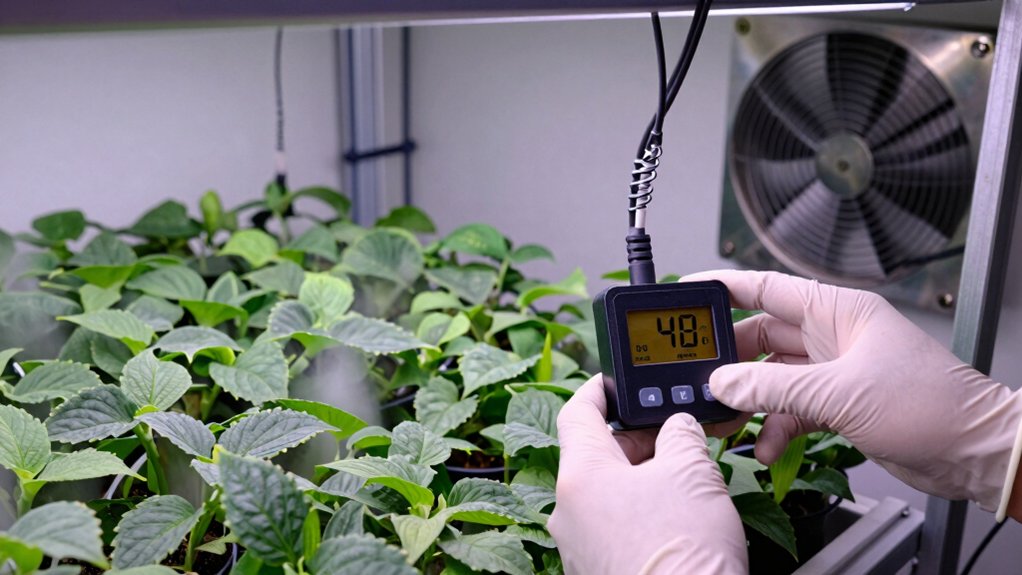
Start by checking Sensor Accuracy Standards to ensure readings are within an acceptable error range for your space, and compare units that specify tolerance in humidity percentage and temperature. Next, review Connectivity And Alerts options, choosing wireless or wired links and test alert methods (email, SMS, app push) to fit your monitoring routine. Finally, assess Data Storage Capacity, Mounting And Placement, and Environment Suitability by noting how much history you need, where to mount the sensor for representative values, and whether the device is rated for your grow room’s heat, humidity, and potential contaminants.
Sensor Accuracy Standards
How accurate should your humidity sensor be for grow rooms, and what standards matter most? You’ll see accuracy listed as a percentage RH, usually ±2% to ±5% RH. Many devices specify ±3% RH, with broader ranges up to ±5% RH, and temperature accuracy around ±0.5°F to ±1°C. For reliability, consider dual-channel or external-sensor options that cross-check readings in the same space. Real-time or rapid-refresh sensors, updating every 2–10 seconds, help you detect fast humidity changes that affect plant health. Look for 2-year data storage or export (CSV) to analyze trends and confirm ongoing accuracy. Prioritize devices that combine stable RH readings with quick updates, cross-checking, and accessible history to support grow-room decisions.
Connectivity And Alerts
To pick the right humidity sensors for grow rooms, you should start by checking connectivity options and alert features. Look for Bluetooth and app-based connectivity for remote monitoring and alerts, so you’re notified of out-of-range humidity or temperature even when the room isn’t in direct line of sight. Check real-time refresh rates, noting updates from every 2 seconds to every 10 seconds, to detect rapid changes quickly. Consider dual-channel sensors and external probes if you need separate monitoring zones within the same room. Review alert options, including threshold breaches and comfort indicators (DRY/COMFORT/WET) to guide quick corrective actions. Some devices offer 2-year free data storage and export (CSV) for historical trend analysis, aiding plant growth-stage decisions.
Data Storage Capacity
Data storage capacity matters because long-term records help you spot trends and make informed decisions. Start by checking minimum retention, aiming for two years of history for practical trend analysis. Look for devices with two-year free data storage and export options like CSV to simplify post-run reviews. Consider whether the sensor offers remote app access and cloud-like storage, so you can monitor from different locations without manual transfers. Verify data history includes both temperature and humidity, and confirm you can export past records for external analysis. If you need long-term records for compliance or research, prioritize models that explicitly support multi-year retention and easy export formats. Confirm steps align with your grow-room timeline and reporting needs.
Mounting And Placement
Start by evaluating mounting options to fit your space and workflow. Choose devices with configurable mounting, such as tabletop, wall mount, hanging, or magnetic back, to fit the grow room layout and maximize sensor coverage. Prioritize units with dual-channel sensing or external probe support to monitor separate zones without blind spots. Ensure the sensor offers stable, long-term placement in humid environments, including splash-resistant housings and secure mounting for racks or cabinets. Look for clear mounting compatibility with shelves or walls, and consider positioning at canopy height to reflect conditions accurately. Verify the device can be placed away from direct airflow from fans or vents to prevent skewed readings while still capturing representative room conditions. Plan installations and verify alignment with zones and airflow.
Environment Suitability
Environment suitability matters because humidity and temperature drive plant health and system stability. You choose sensors with a wide operating humidity range, about 10% to 90% RH or wider, to handle moisture shifts without false alerts. Pick temperature sensing with accuracy around ±0.5 to ±1°F (±0.3 to ±0.6°C) to keep stable VPD for various crops. Consider dual-channel or external probe options to monitor multiple zones or microclimates in the room for precise control. Ensure real-time updates on short intervals, from 10 seconds to 2 seconds, to catch rapid changes affecting growth. Look for data storage and export capability with at least a 2-year history to analyze trends and adjust settings post-harvest for consistency.
Power And Longevity
If you want reliable readings, start by choosing sensors with long-lasting power or easy recharging options. Prioritize batteries with long runtime, such as AAA, or rechargeable packs, to minimize replacements in grow rooms. Check the device’s battery life indicators and expected runtime under continuous monitoring to avoid blind data gaps. Look for low power consumption and built-in sleep modes to extend operational longevity between charges. Consider models with external power options or USB charging for uninterrupted data during critical grow periods. Ensure battery type and replacement frequency are clearly stated so you can plan maintenance and reduce downtime. Document replacement schedules and have spares ready to maintain consistent humidity monitoring.
Final Thoughts
Choose a sensor by pairing needs with features. If you want Bluetooth updates, pick Govee H5075 or VIVOSUN THB1S, then follow setup steps: download the app, pair the device, and place it where airflow is representative. For general indoor use, TempPro TP50 or TP49 deliver reliable readings with simple mounting and battery checks. If you need MAX/MIN history, grab Antonki packs and enable alerts. Compare accuracy, range, and price, then install and monitor regularly.

Meet Ry, “TechGuru,” a 36-year-old technology enthusiast with a deep passion for tech innovations. With extensive experience, he specializes in gaming hardware and software, and has expertise in gadgets, custom PCs, and audio.
Besides writing about tech and reviewing new products, he enjoys traveling, hiking, and photography. Committed to keeping up with the latest industry trends, he aims to guide readers in making informed tech decisions.