
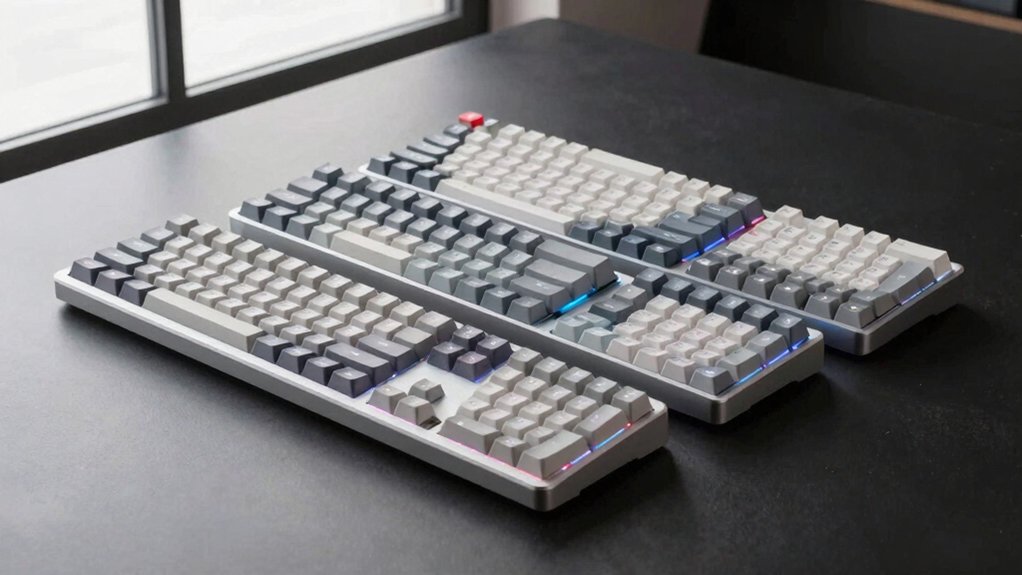

Here are seven strong options: Keychron K3 Version 2, Redragon K618 Pro, RK ROYAL KLUDGE N80, Logitech MX Mechanical, Arteck, Keychron K17 Max, and Logitech G915 X. Each offers multi-mode use—Bluetooth, 2.4 GHz, and USB-C wired—plus cross‑platform support for Windows and macOS. Compare battery life, backlighting, and per-device switching up to three devices. Check build quality and size (75%, 96%, or full layout) to fit your desk. You’ll learn more if you keep reading.
| Keychron K3 Version 2: Ultra-Slim Wireless Keyboard |

| Ultra-Slim Look | Type (category): Ultra-slim wireless keyboard | Layout (percentage): 75% compact | Connectivity modes: Bluetooth wireless + USB wired | VIEW LATEST PRICE | Read Our Analysis |
| Redragon K618 Pro Wireless Mechanical Keyboard |

| Precision & Pace | Type (category): Wireless mechanical keyboard | Layout (percentage): 75% (compact) | Connectivity modes: BT + 2.4Ghz + Wired | VIEW LATEST PRICE | Read Our Analysis |
| RK ROYAL KLUDGE N80 Mechanical Keyboard with Display 75% 3-Mode |

| Display-Enhanced Standout | Type (category): Wireless keyboard with display | Layout (percentage): 75% (compact) | Connectivity modes: Bluetooth + 2.4Ghz + USB-C wired | VIEW LATEST PRICE | Read Our Analysis |
| Logitech MX Mechanical Wireless Keyboard with Backlit Keys |
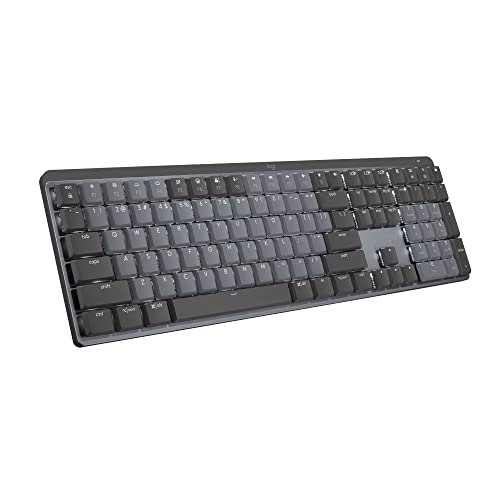
| Multi-Device Master | Type (category): Wireless mechanical keyboard | Layout (percentage): Full-size | Connectivity modes: Bluetooth multi-device or USB-C (Logi Bolt option) | VIEW LATEST PRICE | Read Our Analysis |
| Arteck Mechanical Wireless Keyboard with Brown Switches |

| Budget-Brown Reliability | Type (category): Mechanical wireless keyboard | Layout (percentage): Full-size | Connectivity modes: 2.4G wireless + USB-C | VIEW LATEST PRICE | Read Our Analysis |
| Keychron K17 Max Wireless/USB-C Mechanical Keyboard with RGB |

| Mac/Win Compatibility | Type (category): Wireless mechanical keyboard | Layout (percentage): 96% layout | Connectivity modes: Bluetooth + 2.4Ghz + USB-C wired | VIEW LATEST PRICE | Read Our Analysis |
| Logitech G915 X Low-Profile Gaming Keyboard with RGB |

| Gaming-Ready Slim | Type (category): Low-profile wired/wireless mechanical keyboard | Layout (percentage): Full-size with extra keys (N/A exact but full-size) | Connectivity modes: Wired USB-C + Bluetooth (multi-device) | VIEW LATEST PRICE | Read Our Analysis |
More Details on Our Top Picks
Keychron K3 Version 2: Ultra-Slim Wireless Keyboard
The Keychron K3 Version 2 stands out for ultra-slim, wireless performance, making it the best choice if you need a low-profile keyboard that travels with you. You connect to up to three devices via Bluetooth 5.1, then switch between laptop, PC, tablet, and phone as needed. Use the USB wired option when you need a stable connection. It includes Mac-friendly and Windows keycaps, plus dedicated multimedia keys. The 84-key, 75% layout fits a slim aluminum body with floating white-backlit keycaps. If compatibility varies, update the firmware to improve device support and performance.
- Type (category):Ultra-slim wireless keyboard
- Layout (percentage):75% compact
- Connectivity modes:Bluetooth wireless + USB wired
- Key type (switch family):Low-profile mechanical Brown switches
- Backlighting:White backlight
- Operating system compatibility:Mac and Windows
- Additional Feature:3-device Bluetooth connection
- Additional Feature:Ultra-slim aluminum body
- Additional Feature:Mac-friendly with extra keycaps
Redragon K618 Pro Wireless Mechanical Keyboard
If you value a low-profile setup with multipurpose wireless options, the Redragon K618 Pro is a strong choice because it delivers three cordless connections (USB-C wired, Bluetooth 3.0/5.0, and 2.4 GHz) plus a slim, ultra-thin chassis. You will set it up in three steps: connect via USB-C for initial use, switch to Bluetooth 3.0/5.0 for devices, then enable 2.4 GHz for low-latency wireless. Use the dedicated media controls and macro keys to customize. Remap standard keys with Redragon Core software, and save profiles for Windows or Mac environments. Verify battery status and adjust lighting with 16.8 million colors.
- Type (category):Wireless mechanical keyboard
- Layout (percentage):75% (compact)
- Connectivity modes:BT + 2.4Ghz + Wired
- Key type (switch family):Linear red switches
- Backlighting:16.8M RGB backlighting
- Operating system compatibility:Windows and Mac
- Additional Feature:3-mode wireless (BT/2.4G/wired)
- Additional Feature:4×5 on-the-fly macro keys
- Additional Feature:Tank-solid material
RK ROYAL KLUDGE N80 Mechanical Keyboard with Display 75% 3-Mode
Consider the RK ROYAL KLUDGE N80 if you want a compact, 75% keyboard with a built-in display and tri-mode connectivity. Start by noting it supports Bluetooth 5.0, 2.4GHz wireless, and USB-C wired, so choose your primary method. Use the top-mounted design for steadier keystrokes and faster actuation. Use the knob to adjust volume, switch connection modes, or change brightness and RGB effects. The low-profile brown switches deliver tactile feedback with shorter travel. The display shows GIFs, dates, battery, and layouts; use it to verify mode and layout in real time. Enable dual-layer foam for quieter typing during work or gaming.
- Type (category):Wireless keyboard with display
- Layout (percentage):75% (compact)
- Connectivity modes:Bluetooth + 2.4Ghz + USB-C wired
- Key type (switch family):Tactile brown switches
- Backlighting:RGB backlighting (display area)
- Operating system compatibility:Windows and Mac
- Additional Feature:Display screen with GIFs
- Additional Feature:Top-mounted design stability
- Additional Feature:Heavy-duty base with sound dampening
Logitech MX Mechanical Wireless Keyboard with Backlit Keys
Look for the Logitech MX Mechanical Wireless Keyboard with Backlit Keys if you need a full-size, low-profile option that pairs with multiple devices and backs its keys with a tactile, quiet feel. This keyboard offers Bluetooth multi-device support for up to three devices or a USB-C connection, plus a Logi Bolt option for extra security. Choose tactile, quiet switches for quiet use, or select Clicky or Linear if you prefer different feedback. It includes backlit keys that auto-adjust, and a full-size layout for comfortable typing. Use Logi Options+ for advanced features and cross-device control.
- Type (category):Wireless mechanical keyboard
- Layout (percentage):Full-size
- Connectivity modes:Bluetooth multi-device or USB-C (Logi Bolt option)
- Key type (switch family):Tactile Quiet mechanical switches (options available)
- Backlighting:Backlit keys
- Operating system compatibility:Windows, macOS, Linux, Chrome OS, iOS/iPadOS, Android
- Additional Feature:Flow across computers
- Additional Feature:Logi Options+ software required
- Additional Feature:Recycled plastic content (Graphite 45%)
Arteck Mechanical Wireless Keyboard with Brown Switches
Arteck’s Mechanical Wireless Keyboard with Brown Switches is a strong choice for users who want a full-size, low-profile option with quiet, tactile feedback. You use the nano USB receiver by inserting it into your computer; the receiver stores inside the keyboard for easy transport. Connect via 2.4G wireless and confirm a stable link. Charge with the USB-C cable; the built-in battery supports up to six months of use based on two hours per day. This keyboard works with PC, desktop, laptop, or TV and supports Windows 10/11. It includes caps Lock and battery indicators for quick status checks.
- Type (category):Mechanical wireless keyboard
- Layout (percentage):Full-size
- Connectivity modes:2.4G wireless + USB-C
- Key type (switch family):Tactile Quiet brown switches
- Backlighting:Backlit (not specified color)
- Operating system compatibility:Windows
- Additional Feature:Full-size form factor
- Additional Feature:24-month warranty
- Additional Feature:Nano USB receiver stored inside
Keychron K17 Max Wireless/USB-C Mechanical Keyboard with RGB
If you need a low-profile, versatile board for both work and gaming, the Keychron K17 Max stands out with its 96% layout and aluminum frame. You choose connectivity: 2.4 GHz wireless, Bluetooth 5.1, or wired USB-C. For gaming, use 2.4 GHz for 1000 Hz polling. Switch devices with Bluetooth across up to three gadgets. Access the firmware and updates: open-source QMK firmware and the Keychron Launcher web app. Expect premium typing via low-profile double-shot PBT keycaps with strong oil resistance. It stays portable yet rigid, works on Mac and Windows, and remains compatible through cross-platform tools and firmware.
- Type (category):Wireless mechanical keyboard
- Layout (percentage):96% layout
- Connectivity modes:Bluetooth + 2.4Ghz + USB-C wired
- Key type (switch family):Gateron low-profile switches
- Backlighting:RGB lighting (implied)
- Operating system compatibility:Mac and Windows
- Additional Feature:96% compact layout
- Additional Feature:Open-source QMK firmware
- Additional Feature:1000 Hz polling rate (2.4G)
Logitech G915 X Low-Profile Gaming Keyboard with RGB
The Logitech G915 X Low-Profile Wired Mechanical Keyboard with RGB is a strong pick if you want a sleek, compact board with full programmability and premium materials. You place it on a desk and confirm compatibility with Windows or Mac OS. You examine the design: aluminum top plate, sand-blasted finish, and 23 mm height. You review features: GL Red Linear switches, nine G keys, media controls, and a volume roller. You enable KEYCONTROL, set up to 15 functions per key, and program lighting with LIGHTSYNC RGB. You connect via corded power and test with G HUB integration.
- Type (category):Low-profile wired/wireless mechanical keyboard
- Layout (percentage):Full-size with extra keys (N/A exact but full-size)
- Connectivity modes:Wired USB-C + Bluetooth (multi-device)
- Key type (switch family):GL Red Linear switches
- Backlighting:RGB lighting (16.8M implied)
- Operating system compatibility:Windows and Mac
- Additional Feature:23 mm height ultra-slim
- Additional Feature:Nine programmable G keys
- Additional Feature:LIGHTSYNC RGB ecosystem
Factors to Consider When Choosing Low-Profile Mechanical Keyboards
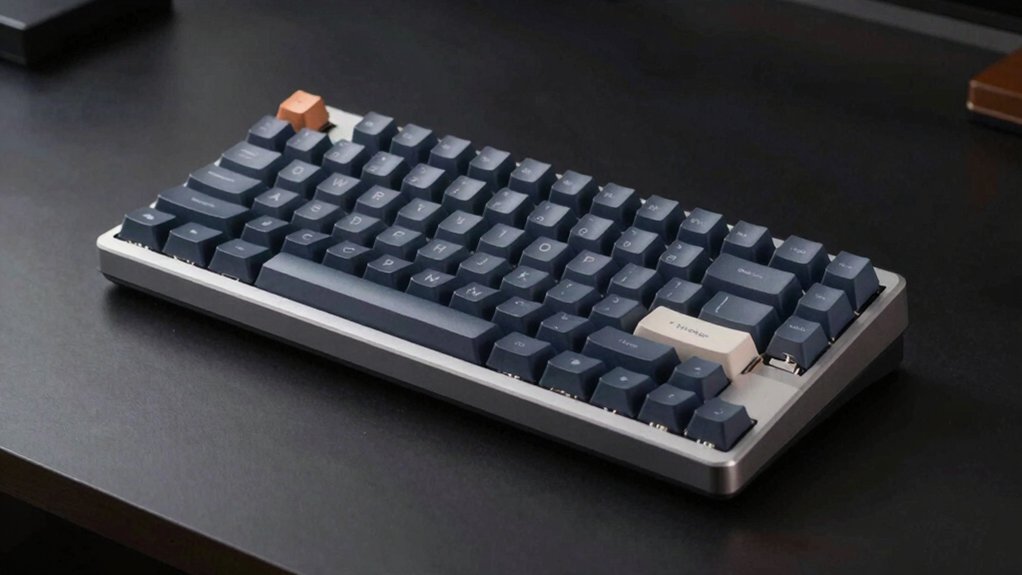
When choosing a low-profile keyboard, assess Build Material Quality for durability, then compare Layout And Size to match your desk space and typing style. Consider Switch Type Varieties to balance feel and noise, and evaluate Connectivity Versatility to choose wired, wireless, or hybrid setups. Finally, review Battery And Power options if you opt for wireless use, and confirm estimated runtime and charging requirements before purchase.
Build Material Quality
To pick the right build material, start by evaluating the chassis design and how it affects rigidity. Look for an ultra-slim chassis with a reinforced aluminum frame to maximize rigidity while keeping a low profile. A metal top plate, often aluminum, enhances durability and provides a solid keystroke feel compared to plastic-only builds. Note how the overall weight signals sturdiness; heavier keyboards around 2.2–3.4 pounds indicate a sturdier, less-flexing chassis in compact layouts. In mixed-material builds, expect a plastic bottom frame to save weight while keeping a metal upper enclosure for strength. Also check how the materials interact with the switches and stabilizers, ensuring consistent travel and minimal flex during use. Prioritize combinations that balance rigidity, weight, and durability for your preferred profile.
Layout And Size
Layout and size directly affect how a low-profile keyboard fits your setup. Start by choosing a layout: 75%, 80%, or 96% (full-size width with compact height). The 75% retains function rows and arrow keys but drops a full number pad, reducing width. The 80% adds a few navigation keys, offering a middle ground. The 96% (K17 Max) combines a full layout with a compact footprint by integrating a function area and tighter key spacing. Next, assess height and keycap profile, noting that low-profile designs use shallower keycaps and shorter travel for a lower overall rise. Finally, plan connectivity. Decide between multi-device Bluetooth or USB-C wired, and verify desk space and legroom to ensure comfortable placement and cable routing.
Switch Type Varieties
Which switch type fits your low-profile keyboard best depends on feel, noise, and response. Start by noting that low-profile switches are 31% thinner, enabling a slim profile. Actuation distance and travel are reduced for faster input and quicker feedback; test if you prefer a snappy or smooth feel. Common options include tactile brown and linear red, plus other tactile variants, each balancing feel and noise differently. If you want quieter operation, choose a softer tactile or linear option and verify case dampening. Check compatibility and firmware support, since switch type can affect programming and personalized sensitivity. Confirm your board’s switch options and available firmware features, and compare how each option changes key height, latency, and overall typing experience.
Connectivity Versatility
Connectivity versatility matters for low-profile keyboards. Start by identifying your devices and preferred connection types. Look for multi-mode models that switch between Bluetooth, 2.4 GHz, and USB-C wired in one keyboard. If you need wireless freedom, choose a keyboard supporting up to three Bluetooth devices simultaneously and confirm how to toggle them. For gaming or rapid input, note that 2.4 GHz wireless often gives lower latency and higher stability than standard Bluetooth. If you work with demanding setups, prefer USB-C wired mode for instant, direct connection with no wireless latency. Check cross-compatibility notes, ensuring support for Windows and macOS, and consider Linux or Chrome OS if you use those. Verify setup steps for pairing, switching modes, and device recognition.
Battery And Power
Battery life and power management are essential when selecting a low-profile mechanical keyboard. You’ll want to check battery type and capacity, typically a built-in Li-Po cell, and match it to your usage. Look for models that advertise days to weeks of use with backlighting on, or months with backlighting off, and note brightness settings. Consider quick-charging options via USB-C to reduce downtime between sessions. For wireless keyboards, verify multi-device connectivity and how power management handles idle states to extend life. Look for battery indicators and software controls that monitor charge status. Prefer keyboards with auto-dimming or backlight save features to maximize longevity. Compare models by expected run time, charging time, and available power-saving modes to fit your routine.
Software And Compatibility
Software and compatibility determine how well a low-profile keyboard fits into your ecosystem. Start by checking connectivity options. Look for tri-mode keyboards that support Bluetooth, 2.4 GHz, and wired USB-C to maximize device compatibility across computers, tablets, and phones. Verify open-source firmware options like QMK and companion software such as Keychron Launcher or Logi Options+/G HUB, which enable cross‑platform customization and firmware updates. Confirm whether you need specific software or receivers for advanced features or security, as some models require Logi Bolt or Bluetooth. Review platform support for Mac and Windows layouts, including dedicated Mac keys or Windows keycaps. Test multi‑device switching (up to three devices) and per‑device remapping to ensure driver compatibility across OSes.
Peripherals And Extras
Consider which peripherals and extras matter most for your setup. Look for keyboards with dedicated media controls or a knob for quick volume and brightness adjustments, common on low-profile models like RK N80 or K618 Pro. Check for on-the-fly macro keys or software support, such as Redragon Core or Logi Options+, to customize functions and remap keys. Ensure multi-device wireless support, using Bluetooth 5.x or 2.4Ghz, so you can switch among computer, tablet, and phone without re-pairing. Verify backlighting features, including RGB, auto-adjust, and per-key brightness, to improve visibility in low light. Consider build specifics, such as ultra-thin profiles, aluminum frames, and sound-damping layers, to balance stability with portability.
Price And Value
Prices for low-profile mechanical keyboards vary a lot based on features like wireless options, battery life, and per-key RGB. When evaluating price and value, list needs first: wireless versatility, multi-device pairing, and whether macro keys matter. Compare entry-level options that save cost but forgo dedicated media controls or seamless multi-device use. Assess build quality by chassis material, height, and switch type, noting that premium models justify higher prices with aluminum bodies and shorter actuation. Check bundled extras such as keycaps, software licenses, or firmware support, and estimate total cost beyond the base keyboard. Consider long-term costs like software compatibility, replacement keycaps, and firmware updates. Prioritize models that balance upfront price with durable value and ongoing usability.
Final Thoughts
To pick a low-profile mechanical keyboard, start by listing priority needs: portability, battery life, and key feel. Compare options by profile, switch type, and wireless compatibility. If you game, consider low-latency models like G915; for work, prioritize quiet Brown or linear switches. Check layout: 75% saves space, K3/K17 Max offer slim builds. Verify keycaps and backlight preferences, then test if possible. Decide budget, confirm connectivity (Bluetooth or USB-C), and finalize purchase with vendor return policy.

Meet Ry, “TechGuru,” a 36-year-old technology enthusiast with a deep passion for tech innovations. With extensive experience, he specializes in gaming hardware and software, and has expertise in gadgets, custom PCs, and audio.
Besides writing about tech and reviewing new products, he enjoys traveling, hiking, and photography. Committed to keeping up with the latest industry trends, he aims to guide readers in making informed tech decisions.