

When you’re planning to improve home accessibility, you’ll need to evaluate several elevator and lift options that fit your space and budget. You can choose from full hydraulic systems, compact platform lifts, or stair lifts depending on your home’s layout and your mobility needs. Each system requires different installation methods, electrical setups, and maintenance schedules. Understanding these differences will help you select the right solution, but first you need to know what factors matter most.
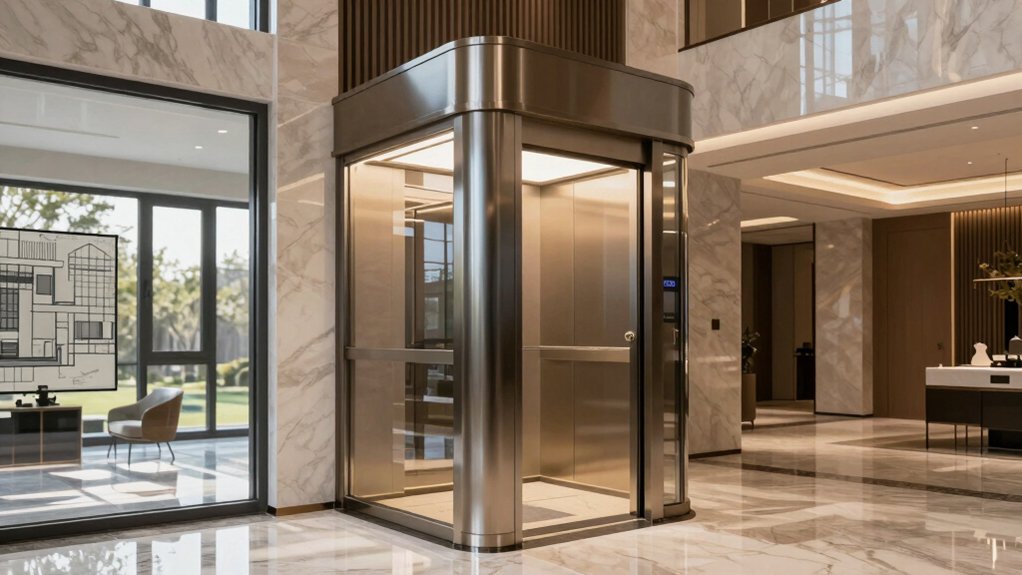
| Residential Home Elevator Wheelchair Accessible Lift System |

| Best for Wheelchairs | Primary Application: Wheelchair-accessible residential vertical mobility | Load Capacity: Custom (wheelchair + occupant) | Installation Type: Compact, minimal structural modifications | VIEW LATEST PRICE | Read Our Analysis |
| Home Elevator Lift System 2200lbs Electric Hydraulic Platform |
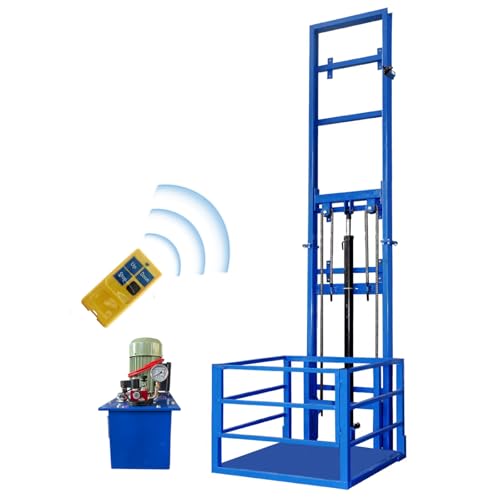
| Heavy-Duty Workhorse | Primary Application: Home cargo transport, dumbwaiter, freight elevator | Load Capacity: 2200 lbs (1 ton) | Installation Type: Custom installation (detailed drawings required) | VIEW LATEST PRICE | Read Our Analysis |
| 1Ton Electric Lift Platform Table with Hydraulic Hoist |

| Best Commercial Option | Primary Application: Factory, warehouse, home freight elevator | Load Capacity: 2200 lbs (1 ton) | Installation Type: Wall-mounted, customizable height | VIEW LATEST PRICE | Read Our Analysis |
| Electric Hydraulic Lift Platform 1Ton (9.8FT) |
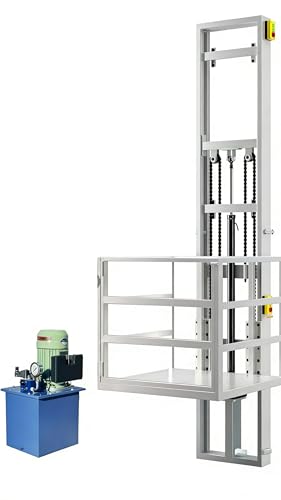
| Most Space-Saving | Primary Application: Factory, warehouse, home freight elevator | Load Capacity: 2200 lbs (1 ton) | Installation Type: Wall-mounted, simple installation | VIEW LATEST PRICE | Read Our Analysis |
| AmeriGlide Rave 2 Stair Lift | Self Installable | 350 lb Capacity |
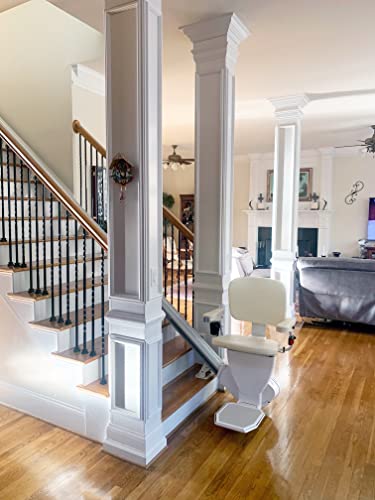
| Best Budget Pick | Primary Application: Multi-level home stair accessibility | Load Capacity: 350 lbs | Installation Type: Self-installable | VIEW LATEST PRICE | Read Our Analysis |
More Details on Our Top Picks
Residential Home Elevator Wheelchair Accessible Lift System
If you’re managing a multi-story home but need reliable vertical mobility for a wheelchair user or someone with limited mobility, a residential home elevator offers a practical solution that doesn’t require extensive structural changes. These compact systems fit into existing spaces while preserving your home’s layout. Installation involves minimal modifications to your home’s structure. The elevator operates quietly and moves smoothly between floors. Safety features include emergency stops, backup power, and secure door mechanisms for daily dependability. You’ll enhance accessibility throughout your home, supporting independence and daily activities for household members with mobility challenges. This modern solution improves overall home livability without major renovations.
- Primary Application:Wheelchair-accessible residential vertical mobility
- Load Capacity:Custom (wheelchair + occupant)
- Installation Type:Compact, minimal structural modifications
- Power System:Electric (backup power options available)
- Safety Features:Emergency stop, backup power, secure door mechanisms
- Customization Options:Custom tailor-made design
- Additional Feature:Wheelchair accessible custom design
- Additional Feature:Whisper-quiet smooth operation
- Additional Feature:Minimal structural modifications needed
Home Elevator Lift System 2200lbs Electric Hydraulic Platform
You’ll find this 2200-pound capacity electric hydraulic platform ideal if you’re transporting heavy cargo between floors in your home, factory, or warehouse without installing a full-scale passenger elevator. The system features a 1500W hydraulic pump, wall-mounted guide rails, and built-in safety stoppers. Before operation, fill the unit with 18 liters of hydraulic oil—use No. 46 oil for standard temperatures or lower-viscosity oil in cold climates. The non-slip platform includes guardrails and a remote control for convenient operation. Thickened steel construction ensures durability for frequent heavy-duty use, making this dumbwaiter solution dependable for residential and industrial applications.
- Primary Application:Home cargo transport, dumbwaiter, freight elevator
- Load Capacity:2200 lbs (1 ton)
- Installation Type:Custom installation (detailed drawings required)
- Power System:1500W electric hydraulic pump
- Safety Features:Guardrails, built-in stoppers, guide rail system
- Customization Options:Parameters, colors, attributes customizable
- Additional Feature:2200 lbs cargo capacity
- Additional Feature:Thickened rust-resistant steel construction
- Additional Feature:Dumbwaiter and freight versatility
1Ton Electric Lift Platform Table with Hydraulic Hoist
The 1Ton Electric Lift Platform Table with Hydraulic Hoist works best for users who need to move heavy items between different floor levels in factories, warehouses, homes, or dedicated freight spaces. This wall-mounted system lifts loads up to 2,200 pounds to heights of 9.8 feet using a 2500W electric hydraulic pump. You’ll receive a standard remote control for operation. The 0.8 x 0.8 meter platform includes guardrails and a safety limit switch. Before using the lift, purchase 46# hydraulic oil separately and ensure your location has standard 110V wiring. You can customize the load capacity, platform size, opening direction, and lifting height to match your specific requirements. Verify installation requirements with the manufacturer before purchase.
- Primary Application:Factory, warehouse, home freight elevator
- Load Capacity:2200 lbs (1 ton)
- Installation Type:Wall-mounted, customizable height
- Power System:2500W electric hydraulic pump, 110V
- Safety Features:Guardrails, safety limit switch, stoppers, guide rails
- Customization Options:Load capacity, color, platform size, opening direction, height
- Additional Feature:9.8 ft lifting height
- Additional Feature:0.8 x 0.8 meter platform
- Additional Feature:Configurable door opening directions
Electric Hydraulic Lift Platform 1Ton (9.8FT)
For homeowners dealing with narrow spaces, limited floor area, or the need to move heavy items regularly, this wall-mounted electric hydraulic lift platform offers a practical solution that doesn’t consume valuable square footage. The 1-ton capacity handles heavy machinery and materials efficiently. You’ll install it securely to your wall, eliminating floor space concerns in compact homes or workshops. The electric hydraulic system delivers stable, quiet lifting with smooth operation. Anti-crush protection minimizes injury and property damage risks during use. You can customize the lifting height and platform size to match your specific needs. The durable steel construction resists corrosion, supporting long-term heavy-duty use without degradation.
- Primary Application:Factory, warehouse, home freight elevator
- Load Capacity:2200 lbs (1 ton)
- Installation Type:Wall-mounted, simple installation
- Power System:Electric hydraulic drive
- Safety Features:Anti-crush protection system
- Customization Options:Color, lifting height, platform size
- Additional Feature:Anti-crush protection system
- Additional Feature:Wall-mounted space-saving design
- Additional Feature:Low-noise stable operation
AmeriGlide Rave 2 Stair Lift | Self Installable | 350 lb Capacity
If you’re managing mobility challenges in a two-story home, the AmeriGlide Rave 2 Stair Lift offers a practical solution that you can install yourself without hiring a professional. This battery-powered lift accommodates users up to 350 pounds and includes 15 feet of track for standard staircases. The ultra-thin design folds to 11 inches when not in use, fitting easily in tight spaces. Safety features include a swivel seat, flip-up armrests, footrest sensor, and wireless call stations at both stair levels. The all-metal construction resists wear over time. You may need extra track for longer staircases, so measure your staircase length before ordering to ensure proper fit and function.
- Primary Application:Multi-level home stair accessibility
- Load Capacity:350 lbs
- Installation Type:Self-installable
- Power System:Battery powered
- Safety Features:Swivel seat, flip-up armrests, footrest sensor, wireless call stations
- Customization Options:None mentioned
- Additional Feature:Ultra-thin folds to 11 inches
- Additional Feature:Wireless call stations included
- Additional Feature:Swivel flip-up seat design
Factors to Consider When Choosing Home Elevator Systems
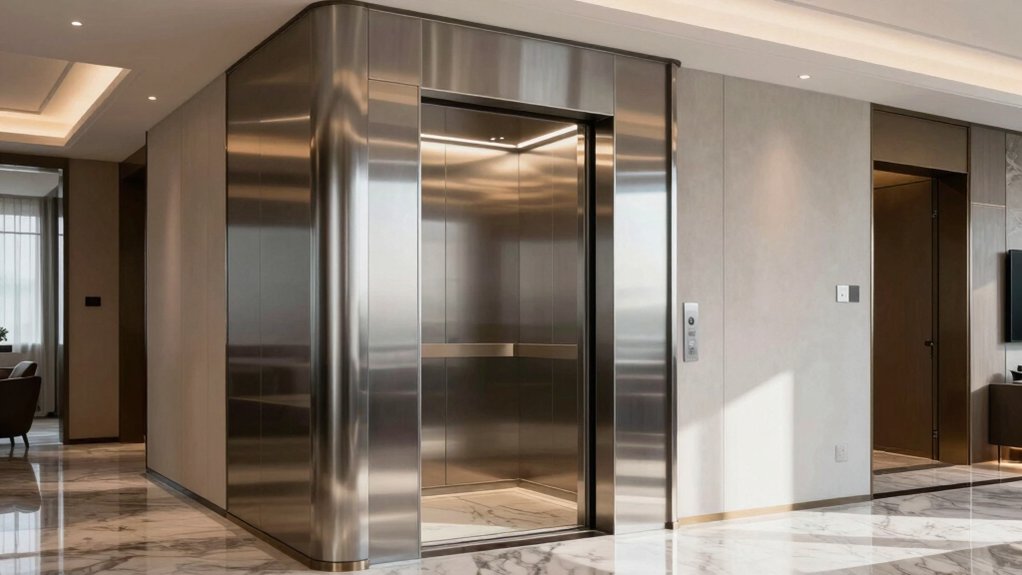
You’ll need to evaluate your home’s space and layout to determine which elevator type fits your stairwell or available floor space, then assess your weight capacity requirements based on who’ll use the system and what items you’ll transport. Next, you should prioritize your safety needs by reviewing features like backup power systems and emergency braking, consider the installation complexity to determine if you need professional help, and finally calculate your total budget including purchase price, installation costs, and ongoing maintenance fees. These five factors work together to guide you toward the system that matches your home’s specific conditions and your family’s accessibility requirements.
Space And Layout Requirements
How much vertical space does your home actually have available? Start by measuring floor-to-ceiling height in stairwells or chosen installation areas, accounting for the elevator’s lifting mechanism, which requires additional clearance above the highest floor. Next, evaluate your floor plan to determine where you can install the unit without major structural modifications. Wall-mounted and compact platform designs minimize disruption to your living space. Consider doorway widths and hallway dimensions where the elevator will operate. Review weight capacity requirements based on your household’s needs, as this influences platform size and safety guard configurations. Finally, check for obstacles like beams, pipes, or HVAC systems that affect placement. Document all measurements to ensure your chosen system fits your home’s specific layout without extensive renovations.
Weight Capacity Needs
Weight capacity’s the foundation of your elevator selection—it determines whether the system can safely handle your household’s actual demands. Standard residential lifts support 350 to 2,200 pounds, so you’ll need to calculate the combined weight of the heaviest user, their wheelchair or chair, and any accessories like cushions or mobility aids. Check that the rated capacity holds at maximum platform height, since performance can drop during full extension. If you’re transporting heavy items occasionally, add that weight to your calculation. Consider upgrading to a higher-capacity model now if your needs might increase later—reinstalling or replacing systems proves costly. Verify all weight specifications match your actual usage patterns before purchasing.
Safety Features Priority
Once you’ve confirmed your elevator can handle the weight demands of your household, safety systems become your next decision point. Prioritize emergency stop buttons, backup power options, and secure door mechanisms that prevent accidents during operation. Examine anti-slip platform designs with collision guards to reduce slip and impact risks while loading or unloading cargo and passengers. For wall-mounted or compact models, verify stable guide rails and limit switches that prevent uncontrolled movement or over-travel. Check for footrest sensors, guardrails, and door safety interlocks that protect both people and goods. Review the product documentation and installation manual to confirm all safety features comply with relevant safety standards. These integrated protections work together to create reliable operation throughout your home elevator’s lifespan.
Installation Complexity Level
What structural modifications can you realistically handle in your home? Installation complexity depends on your chosen system type. Wall-mounted and door-integrated lifts require minimal remodeling compared to full shaft-driven elevators. Hydraulic systems demand precise alignment and specialized mounting hardware, while traction or cable-drive mechanisms need different ceiling or wall supports. Next, assess your electrical setup. Some lifts run on standard 110V circuits, while others require higher voltages and dedicated lines, affecting permitting timelines. Finally, consider customization options like platform size and door direction. Pre-selecting these specifications reduces on-site adjustments and streamlines final installation. Review your home’s layout, electrical capacity, and structural condition before selecting a system.
Budget And Cost Considerations
How much you’ll spend on a home elevator depends primarily on the system type, capacity, and features you choose. Higher-capacity models (1 ton or more) and customized options increase upfront costs substantially. Installation expenses vary based on structural modifications and whether you select wall-mounted or hoist configurations. Account for ongoing costs including hydraulic oil, maintenance, and electricity consumption during regular operation. Self-install options and modular track systems reduce labor expenses and timelines. When budgeting, prioritize safety features and warranty coverage to protect your investment. Calculate potential future repair and upgrade costs into your total budget. Request detailed quotes from multiple vendors, comparing labor, materials, and service terms directly to identify the most cost-effective solution for your specific accessibility needs.
Customization Options Available
When you’re selecting a home elevator system, you’ll find that most manufacturers offer customization across several key dimensions to match your specific needs and space constraints. You can adjust load capacity, platform size, and lift height to fit your home’s layout. Color options and opening directions let you integrate the elevator into your décor and flow. Choose your voltage requirements and remote control features based on your electrical setup and convenience preferences. For non-standard heights or unusual configurations, you’ll need to provide detailed drawings or specifications to your supplier before ordering. Wall-mounted rails, guardrails, and adjustable platform doors address safety and accessibility concerns. Customization typically extends lead times, so plan accordingly when requesting tailored features for your installation.
Operational Noise Levels
Operational noise from your home elevator depends primarily on the drive type you select, so you’ll want to understand how each system performs acoustically before making your decision. Hydraulic systems operate quietly at low speeds but may produce pump hum during extended use. Electric or gear-driven lifts generate more mechanical sound during operation. When evaluating options, consider wall-mounted or compact designs, which reduce vibration transmission to your home’s structure. Installation quality matters significantly—poor mounting rigidity increases noise regardless of system type. Request soft-start and soft-stop controls to eliminate sudden noise spikes when the elevator lifts or lowers. Remote operation also minimizes jarring sounds. Ask manufacturers for actual noise specifications at rated load and speed, then compare these measurements across models before selecting your system.
Final Thoughts
You’ll need to evaluate your home’s layout, weight capacity requirements, and installation constraints to select the right elevator system. Compare hydraulic platform lifts for heavy loads, compact stair lifts for tight spaces, and wall-mounted designs for minimal structural changes. Check electrical requirements, safety features, and warranty coverage before purchasing. Contact vendors directly for quotes and installation timelines to match your accessibility needs and budget.

Meet Ry, “TechGuru,” a 36-year-old technology enthusiast with a deep passion for tech innovations. With extensive experience, he specializes in gaming hardware and software, and has expertise in gadgets, custom PCs, and audio.
Besides writing about tech and reviewing new products, he enjoys traveling, hiking, and photography. Committed to keeping up with the latest industry trends, he aims to guide readers in making informed tech decisions.