


When you’ve accidentally deleted crucial files or lost data from a drive failure, you’ll need reliable recovery software that delivers results. You can choose from seven proven programs—Disk Drill, EaseUS Data Recovery Wizard, Stellar Data Recovery, MiniTool Power Data Recovery, Recuva, R-Studio, and Data Rescue—each offering distinct features and recovery capabilities. But which one’s right for your situation? The answer depends on several important factors you should evaluate first.
| Data Recovery Software for Windows 11/10/8.1/7 |

| Best Overall | Recovery Type: Software-based file recovery | Supported Storage Devices: Internal hard drives (Windows systems) | File Types Recovered: Documents, audio, video, photos, images, emails | VIEW LATEST PRICE | Read Our Analysis |
| Data Recovery Stick for Windows Computers & Storage |
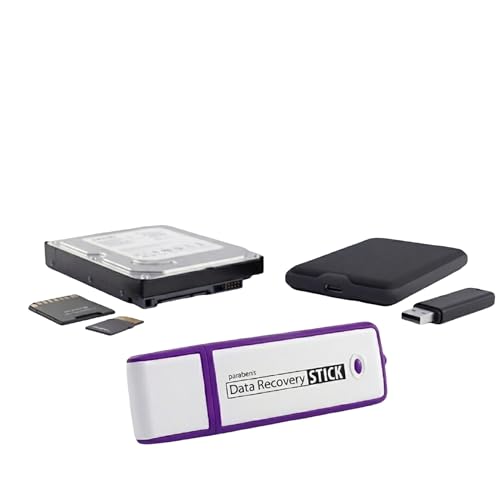
| Best For Beginners | Recovery Type: Hardware stick with auto-start recovery | Supported Storage Devices: Hard drives, USBs, SD cards, memory sticks, multimedia cards, Compact Flash, SDHC, xD-Picture Card | File Types Recovered: Photos, Microsoft Office files, PDFs, application files, music files | VIEW LATEST PRICE | Read Our Analysis |
| Computer IT Repair & Data Recovery USB Drive |
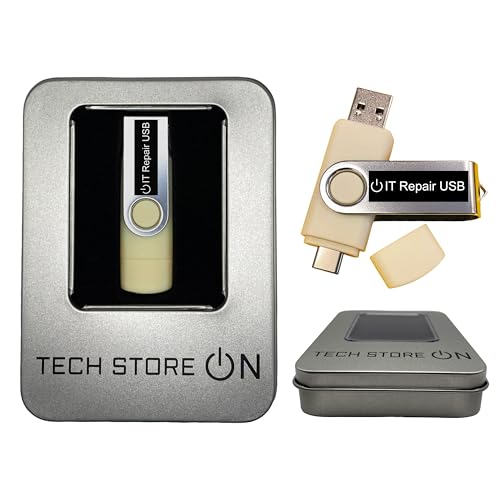
| Most Versatile | Recovery Type: Bootable USB multi-tool recovery | Supported Storage Devices: Hard drives, laptops, desktops, external storage | File Types Recovered: All file types (general recovery) | VIEW LATEST PRICE | Read Our Analysis |
| Parted Magic – Powerful Partition Editor and Cloning / Backup Tool |

| Professional Grade | Recovery Type: Bootable CD partition and cloning recovery | Supported Storage Devices: Hard drives, servers, all file system types | File Types Recovered: All file types across supported file systems | VIEW LATEST PRICE | Read Our Analysis |
| Hetman Partition Recovery – Recover Deleted Partitions & Files |
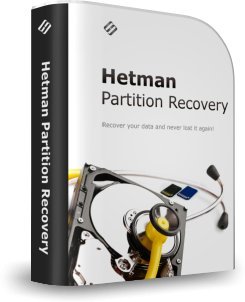
| Best For Large Drives | Recovery Type: Software-based partition and file recovery | Supported Storage Devices: Hard drives, SSDs, USB flash drives, memory cards, external hard drives, cameras, mobile phones | File Types Recovered: All deleted files and folders | VIEW LATEST PRICE | Read Our Analysis |
| Stellar Phoenix Recovery for QuickBooks Software [Download] |
![Stellar Phoenix Recovery for QuickBooks Software [Download]](https://m.media-amazon.com/images/I/417N5rwUtUL._SL500_.jpg)
| Specialized Recovery Solution | Recovery Type: Software-based accounting file recovery | Supported Storage Devices: QuickBooks company files (QBW format) | File Types Recovered: QuickBooks accounting data only | VIEW LATEST PRICE | Read Our Analysis |
| Trinity Rescue Kit 3.4 Password Reset & Data Recovery |

| Best For System Rescue | Recovery Type: Bootable kit with password reset and recovery | Supported Storage Devices: Windows system hard drives and partitions | File Types Recovered: All system and data files | VIEW LATEST PRICE | Read Our Analysis |
More Details on Our Top Picks
Data Recovery Software for Windows 11/10/8.1/7
When you’ve accidentally deleted important files or lost data due to a virus, you’ll need recovery software that works across your Windows system. This data recovery software supports Windows 11, 10, 8.1, and 7, ensuring compatibility with your operating system. You can recover documents, photos, videos, audios, images, and emails that you’ve deleted or lost. The software retrieves files from your hard drive and rescues data from your recycling bin. It also protects against virus-related data loss, helping you prepare for potential attacks. Install the software, scan your drive, select the files you need, and recover them to a safe location.
- Recovery Type:Software-based file recovery
- Supported Storage Devices:Internal hard drives (Windows systems)
- File Types Recovered:Documents, audio, video, photos, images, emails
- Operating System Support:Windows 11, 10, 8.1, 7
- Deployment Method:Direct software installation
- Additional Capabilities:Virus-related data loss protection
- Additional Feature:Virus attack data protection
- Additional Feature:Recycling bin file rescue
- Additional Feature:Multi-Windows version compatibility
Data Recovery Stick for Windows Computers & Storage
Need to recover deleted files quickly without complicated software installation? The Data Recovery Stick offers a straightforward solution. You plug the USB device into your Windows computer, click start, and the automatic recovery process begins. It recovers photos, Microsoft Office files, PDFs, music files, and application files from hard drives, USBs, SD cards, and memory sticks using FAT and NTFS file systems. The device uses USB Type A connectivity and weighs 2.57 ounces for portability. You can update it through the user interface to maintain compatibility with your system. Recovery works effectively as long as deleted data hasn’t been overwritten by new files.
- Recovery Type:Hardware stick with auto-start recovery
- Supported Storage Devices:Hard drives, USBs, SD cards, memory sticks, multimedia cards, Compact Flash, SDHC, xD-Picture Card
- File Types Recovered:Photos, Microsoft Office files, PDFs, application files, music files
- Operating System Support:Windows only
- Deployment Method:USB plug-and-play stick
- Additional Capabilities:Data recovery from overwritten prevention
- Additional Feature:Auto-start recovery mechanism
- Additional Feature:USB Type A connectivity
- Additional Feature:Multiple storage format support
Computer IT Repair & Data Recovery USB Drive
Your PC won’t boot, your files are locked away, and you’re running out of time—so which recovery tool actually delivers results when your system fails? A Computer IT Repair & Data Recovery USB Drive solves this directly. Insert the bootable stick into any PC or laptop via USB or USB-C. It boots on legacy BIOS and UEFI systems instantly. The included toolset unlocks non-booting computers, recovers lost data, and clones your entire drive for backup. You’ll access antivirus tools, password recovery utilities, and hardware diagnostics without needing technical expertise. Windows and Linux both work. Included drivers and applications handle system repairs, performance cleanup, and data integrity checks. This single device replaces multiple recovery programs.
- Recovery Type:Bootable USB multi-tool recovery
- Supported Storage Devices:Hard drives, laptops, desktops, external storage
- File Types Recovered:All file types (general recovery)
- Operating System Support:Windows and Linux
- Deployment Method:Bootable USB drive
- Additional Capabilities:System repair, antivirus, malware removal, password reset, hardware diagnostics
- Additional Feature:Dual USB/USB-C connector
- Additional Feature:Legacy BIOS and UEFI
- Additional Feature:Password reset/recovery utilities
Parted Magic – Powerful Partition Editor and Cloning / Backup Tool
Parted Magic serves users who need to recover files from crashed systems, manage partitions across multiple operating systems, or back up data before disaster strikes. You’ll boot the tool from CD or DVD, then access its Linux-based utilities for partitioning, encryption, and cloning. The included Clonezilla handles backups and restores across different file systems. You can encrypt drives using TrueCrypt, access Windows shares via Samba, and scan for viruses with ClamTK. It supports ext4, NTFS, and other formats, making it versatile for Windows and Linux environments without requiring Windows installation.
- Recovery Type:Bootable CD partition and cloning recovery
- Supported Storage Devices:Hard drives, servers, all file system types
- File Types Recovered:All file types across supported file systems
- Operating System Support:Windows and Linux
- Deployment Method:Bootable CD/DVD or hard disk installation
- Additional Capabilities:Partition encryption, drive cloning, backup/restore, network access, virus scanning
- Additional Feature:Cross-platform Linux/Windows support
- Additional Feature:Partition encryption capabilities
- Additional Feature:Clonezilla backup/restore included
Hetman Partition Recovery – Recover Deleted Partitions & Files
When you’ve accidentally formatted a drive or lost an entire partition, Hetman Partition Recovery offers a thorough solution that works across multiple storage types and sizes. You’ll recover deleted files and folders from FAT and NTFS partitions on hard drives, SSDs, USB flash drives, memory cards, and external devices. The program handles damaged volumes and corrupted partitions safely. It supports drives larger than 2 TB, making it suitable for modern storage systems. You can restore data from cameras, mobile phones, and other portable devices. The recovery process scans your storage media completely, identifying and retrieving your lost data without risking further damage to your system.
- Recovery Type:Software-based partition and file recovery
- Supported Storage Devices:Hard drives, SSDs, USB flash drives, memory cards, external hard drives, cameras, mobile phones
- File Types Recovered:All deleted files and folders
- Operating System Support:Windows systems with FAT/NTFS partitions
- Deployment Method:Direct software installation
- Additional Capabilities:Recovery from formatted/deleted partitions, corrupt volume repair
- Additional Feature:Supports drives over 2TB
- Additional Feature:Corrupted partition recovery
- Additional Feature:Mobile device data recovery
Stellar Phoenix Recovery for QuickBooks Software [Download]
If you’ve lost critical accounting data in QuickBooks and need to recover company, customer, vendor, or employee records quickly, Stellar Phoenix Recovery for QuickBooks Software is designed to restore what you’ve lost. The tool fixes errors that prevent you from accessing QBW files and recovers all associated accounting information. It supports QuickBooks Enterprise, Professional, Premier, and Simple Start editions across versions 2007 through 2017. You can use the Search function to locate QBW files if you’re unsure where they’re stored. Download the software, launch it, and follow the recovery process to retrieve your data and restore normal QuickBooks functionality.
- Recovery Type:Software-based accounting file recovery
- Supported Storage Devices:QuickBooks company files (QBW format)
- File Types Recovered:QuickBooks accounting data only
- Operating System Support:Windows (QuickBooks compatible systems)
- Deployment Method:Download software
- Additional Capabilities:QBW file error fixing, file search detection
- Additional Feature:QuickBooks file auto-detection
- Additional Feature:Multi-edition QB support
- Additional Feature:Accounting data recovery specialized
Trinity Rescue Kit 3.4 Password Reset & Data Recovery
Trinity Rescue Kit 3.4 serves users who’ve lost Windows passwords or face corrupted Windows installations that won’t boot. You’ll use the improved winpass tool to reset forgotten Windows passwords directly. The kit includes utilities for recovering lost system or data partitions and undeleting files from crashed drives. You can detect and remove viruses, rootkits, and malware that damage your system. Boot the kit from USB or CD, select your recovery task, then follow the on-screen prompts to restore access, recover data, or repair your Windows installation. It’s designed specifically for Windows systems needing rescue operations.
- Recovery Type:Bootable kit with password reset and recovery
- Supported Storage Devices:Windows system hard drives and partitions
- File Types Recovered:All system and data files
- Operating System Support:Windows
- Deployment Method:Bootable rescue kit
- Additional Capabilities:Windows password reset, rootkit detection, virus removal
- Additional Feature:Advanced root-kit detection
- Additional Feature:Windows password reset capability
- Additional Feature:Partition recovery and undeletion
Factors to Consider When Choosing PC File Recovery Programs
You’ll want to evaluate five key criteria before selecting a recovery program: first, check that it’s compatible with your operating system, whether Windows, Mac, or Linux; second, confirm it supports the specific file types you need to recover, such as documents, photos, or videos; third, compare recovery speed and performance ratings to ensure the program won’t take excessive time; fourth, test the user interface to make sure you can navigate it without confusion; and fifth, verify that it supports all your storage devices, including external hard drives, USB flash drives, and SD cards.
Compatibility With Operating Systems
What operating system does your computer run, and will the recovery program support it? You’ll need to verify compatibility with your specific Windows version—whether that’s Windows 11, Windows 10, Windows 8.1, or Windows 7. Next, determine if the tool runs from a bootable environment or requires installation on your operating system. This distinction matters considerably for non-booting systems. Additionally, check whether the software supports both BIOS and UEFI firmware, as this ensures compatibility across legacy and modern hardware. You should also confirm that the program handles your file systems, such as NTFS or FAT. If you’re working with multi-boot environments, assess cross-platform capabilities for Windows and Linux recovery to maximize your options.
Supported File Types And Formats
Most file recovery programs can restore documents, images, videos, audio files, emails, PDFs, and Office files, but you’ll want to verify which specific formats each tool actually supports before committing to it. Check whether the software handles recovery across common storage containers like NTFS and FAT partitions, USB drives, and memory cards. Confirm the program can recover from formatted, deleted, or corrupted partitions and undelete files from your recycling bin. Look for specialized recovery features for specific formats—QuickBooks QBW files, for instance, or various image and video codecs. Review the tool’s cross-format capabilities carefully, including cloning and backup restoration. Don’t assume broad compatibility; match the program’s documented file-type support directly to your recovery needs.
Recovery Speed And Performance
Once you’ve confirmed that a recovery program supports your file types, the next factor to evaluate is how quickly it can locate and restore your data. Recovery speed depends on your storage device type—SSDs scan faster than HDDs. Choose software offering incremental or targeted scans that search specific file types rather than your entire drive, which reduces processing time considerably. Bootable recovery media accelerates performance by eliminating operating system overhead and file system locks during scanning. Verify the software uses parallel processing and optimized input/output operations, especially if you have a multi-core system with high disk throughput. Be aware that recovery from overwritten data is limited—most tools only retrieve data from sectors that haven’t been replaced yet.
User Interface And Ease Of Use
How intuitive is a recovery program’s interface, and does it guide you through the recovery process without confusion? You’ll benefit from clean design that reduces your learning curve, especially if you’re not a technical expert. Look for guided wizards that walk you step-by-step through selecting drives, scanning, and saving recovered data. Real-time progress indicators and status updates show you recovery success odds and expected timeframes. Clear tooltips and in-app help reduce confusion during complex operations. Consistent UI design across scan, preview, and recovery features minimizes your errors and speeds up decision-making. Built-in documentation and accessible support materials help you complete tasks correctly without getting stuck.
Storage Device Support Range
What storage devices can your recovery program actually access? You need to verify compatibility with your specific hardware before purchasing. Most recovery tools support internal hard drives and SSDs, but coverage varies for removable media. Check whether the program handles USB flash drives, SD cards, memory sticks, and external drives connected via USB. Some programs explicitly list supported card types like CF, SDHC, and xD cards. Confirm capacity support too—certain tools specify recovery limits for drives exceeding 2 TB. Additionally, verify file system compatibility. Your program should access both Windows (NTFS, FAT) and Linux partitions if you work across multiple systems. Cross-reference your storage devices against the program’s specifications to ensure it meets your recovery needs before installation.
Data Overwrite Protection Features
The risk of data overwrite during recovery isn’t something you can ignore—it’s a critical factor that’ll determine whether your lost files stay recoverable or become permanently lost. Look for recovery programs offering non-destructive scanning modes that analyze your storage without modifying disk locations. Many reputable tools include dedicated safe mode or overwrite protection features that prevent any write operations during the recovery process. You’ll reduce overwrite risk significantly by performing recovery on a separate drive or partition instead of the damaged drive itself. Remember that read-only recovery operations carry lower overwrite risk, but subsequent writes from OS activity or automatic optimization can still compromise recoverable data. Prioritize these protective features when selecting your recovery software.
Additional Tools And Utilities
Beyond basic file recovery, you’ll find that many programs bundle extra utilities that extend their value across your entire system. Look for partition editors that let you manage drive layouts, cloning tools for complete backups, and encryption features for data security. Some toolsets include bootable Linux environments, allowing you to recover files and diagnose problems without depending on your operating system. Check whether your chosen program offers system repair capabilities, malware removal, password reset functions, and diagnostic tools. Cross-platform support matters if you work with both Windows and Linux machines. Additionally, integrated antivirus or anti-malware protection helps address security threats alongside file restoration. Evaluate these bundled features against your specific needs—they transform a recovery tool into comprehensive system maintenance software that handles multiple tasks efficiently.
File System Compatibility Requirements
You’ll need to verify that your recovery program recognizes the file systems on your drives before you can restore any data. Windows systems require NTFS support, while older drives may use FAT16 or FAT32. If you’re recovering from external drives or SD cards, check for exFAT compatibility. Linux users need ext2, ext3, or ext4 support, while macOS requires HFS+ or APFS recognition. Many recovery tools explicitly list their supported file systems, so compare your drive’s format against the program’s specifications. Beyond software recognition, ensure your system has proper driver and kernel-level support to mount and read from these formatted devices. This foundation determines whether your recovery program can access your data at all.
Final Thoughts
You’ll recover your files successfully by selecting software matching your needs: choose Disk Drill or EaseUS for user-friendly interfaces, R-Studio for complex situations, or Recuva for quick scans. Install your chosen program on a separate drive, run a scan on your damaged drive, preview recoverable files, and save them to external storage. Always prioritize non-destructive scanning to protect your data during recovery.

Meet Ry, “TechGuru,” a 36-year-old technology enthusiast with a deep passion for tech innovations. With extensive experience, he specializes in gaming hardware and software, and has expertise in gadgets, custom PCs, and audio.
Besides writing about tech and reviewing new products, he enjoys traveling, hiking, and photography. Committed to keeping up with the latest industry trends, he aims to guide readers in making informed tech decisions.