

You’re looking for a laptop that handles real creative work—3D rendering, video editing, and AI tasks—without slowing you down. The right Nvidia GPU makes the difference between waiting hours for renders and finishing projects in minutes. You’ll find several solid options across different price points and performance levels, each with specific strengths worth understanding. Here’s what separates the laptops creators actually choose from the rest.
| Acer Nitro V Gaming Laptop (ANV15-52-586Z) |
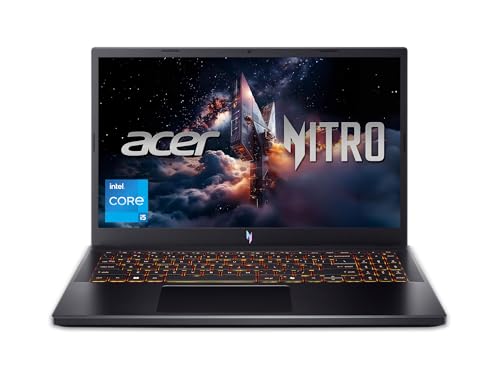
| Best Entry-Level Gaming | GPU Model: NVIDIA GeForce RTX 4050 | Display Size & Refresh Rate: 15.6″ FHD, 165Hz | Processor: Intel Core i5-13420H | VIEW LATEST PRICE | Read Our Analysis |
| HP Victus 15.6 inch Gaming Laptop (2024) |

| Best Value Pick | GPU Model: NVIDIA GeForce RTX 4050 | Display Size & Refresh Rate: 15.6″ FHD, 144Hz | Processor: Intel Core i5-13420H | VIEW LATEST PRICE | Read Our Analysis |
| Acer Nitro V 15.6″ Gaming Laptop RTX 5050 |

| Mid-Range Powerhouse | GPU Model: NVIDIA GeForce RTX 5050 | Display Size & Refresh Rate: 15.6″ FHD, 165Hz | Processor: Intel Core i5-13420H | VIEW LATEST PRICE | Read Our Analysis |
| HP Victus 15.6″ Gaming Laptop Intel Core i5 RTX 3050 |

| Budget-Friendly Option | GPU Model: NVIDIA GeForce RTX 3050 | Display Size & Refresh Rate: 15.6″ FHD, 144Hz | Processor: Intel Core i5-12450H | VIEW LATEST PRICE | Read Our Analysis |
| Acer Nitro V Gaming Laptop Intel Core i9 RTX 5060 |

| Best For Content Creators | GPU Model: NVIDIA GeForce RTX 5060 | Display Size & Refresh Rate: 15.6″ FHD, 165Hz | Processor: Intel Core i9-13900H | VIEW LATEST PRICE | Read Our Analysis |
| Lenovo ThinkPad P14s Gen 5 Intel Core Ultra 7 |

| Professional Workstation | GPU Model: NVIDIA RTX 500 Ada | Display Size & Refresh Rate: 14.5″ 3K, 120Hz | Processor: Intel Core Ultra 7 155H | VIEW LATEST PRICE | Read Our Analysis |
| MSI Katana 15 Gaming Laptop (RTX 5070) |

| Best Performance Beast | GPU Model: NVIDIA GeForce RTX 5070 | Display Size & Refresh Rate: 15.6″ QHD, 165Hz | Processor: Intel Core i9-14900HX | VIEW LATEST PRICE | Read Our Analysis |
More Details on Our Top Picks
Acer Nitro V Gaming Laptop (ANV15-52-586Z)
Why should you consider the Acer Nitro V if you’re a creator who needs reliable gaming performance alongside your work? This laptop combines an Intel Core i5-13420H processor with an RTX 4050 GPU, delivering the processing power you need for demanding creative tasks. The 15.6″ 165Hz display ensures smooth visuals during both work and gaming sessions. You’ll get 8GB DDR5 memory expandable to 32GB for multitasking, plus a 512GB SSD for fast file access. Wi-Fi 6 and Thunderbolt 4 connectivity keep you connected seamlessly. This machine handles streaming, recording, and content creation without compromising performance.
- GPU Model:NVIDIA GeForce RTX 4050
- Display Size & Refresh Rate:15.6″ FHD, 165Hz
- Processor:Intel Core i5-13420H
- RAM:8GB DDR5
- Storage:512GB PCIe Gen 4 SSD
- Connectivity Highlights:Wi-Fi 6, Thunderbolt 4, Gigabit Ethernet
- Additional Feature:DLSS 3.5 ray tracing enhancement
- Additional Feature:Thunderbolt 4 power/data/video
- Additional Feature:Upgradeable up to 32GB
HP Victus 15.6 inch Gaming Laptop (2024)
The HP Victus 15.6 inch Gaming Laptop (2024) delivers three core strengths that make it ideal for creators balancing gaming with content production: an NVIDIA GeForce RTX 4050 GPU with 6 GB of dedicated GDDR6 memory, a 13th Gen Intel Core i5-13420H processor, and a 144Hz FHD display. You’ll get 16 GB DDR4 RAM and a 512 GB PCIe Gen4 NVMe SSD, enabling fast rendering and file transfers. The RTX 4050 handles ray tracing and video editing efficiently. Windows 11 Home provides updated security and productivity tools. Connect external monitors or storage via available ports. This configuration supports both creative workflows and gaming without requiring compromise between performance demands.
- GPU Model:NVIDIA GeForce RTX 4050
- Display Size & Refresh Rate:15.6″ FHD, 144Hz
- Processor:Intel Core i5-13420H
- RAM:16GB DDR4
- Storage:512GB PCIe Gen4 NVMe SSD
- Connectivity Highlights:Connectivity suitable for peripherals and external storage
- Additional Feature:Anti-glare IPS micro-edge display
- Additional Feature:Windows 11 Home included
- Additional Feature:6GB dedicated GDDR6 memory
Acer Nitro V 15.6″ Gaming Laptop RTX 5050
If you’re a creator who needs reliable GPU performance without breaking your budget, the Acer Nitro V delivers solid specs at an accessible price point. You get an RTX 5050 with 8GB GDDR7 VRAM for video editing and 3D rendering tasks. The Intel Core i5-13420H processor handles multitasking efficiently with 8 cores and 12 threads. Your 16GB DDR4 memory supports smooth workflows, while the 512GB SSD provides fast boot times and file access. The 165Hz display ensures sharp visuals during editing work. Use the Thunderbolt 4 port for rapid external storage connections, keeping your project files accessible and organized.
- GPU Model:NVIDIA GeForce RTX 5050
- Display Size & Refresh Rate:15.6″ FHD, 165Hz
- Processor:Intel Core i5-13420H
- RAM:16GB DDR4
- Storage:512GB PCIe Gen 4 SSD
- Connectivity Highlights:Thunderbolt 4, USB 3.2 Gen 2, DisplayPort
- Additional Feature:8GB dedicated GDDR7 VRAM
- Additional Feature:DisplayPort over USB Type-C
- Additional Feature:Up to 65W USB charging
HP Victus 15.6″ Gaming Laptop Intel Core i5 RTX 3050
Looking for a laptop that handles both creative work and gaming without draining your budget? The HP Victus delivers solid performance through its Intel Core i5-12450H processor and RTX 3050 GPU. You’ll edit videos and render projects efficiently while maintaining smooth gaming sessions. The 16GB RAM supports multitasking, and you can upgrade to 64GB for demanding software. Start with the 512GB SSD for storage, then expand to 2TB as your project files grow. The 144Hz display reduces lag during editing and gameplay. Windows 11 Pro provides professional tools creators need. This laptop balances affordability with reliable performance for your daily creative tasks.
- GPU Model:NVIDIA GeForce RTX 3050
- Display Size & Refresh Rate:15.6″ FHD, 144Hz
- Processor:Intel Core i5-12450H
- RAM:16GB DDR4 (up to 64GB)
- Storage:512GB PCIe SSD (up to 2TB)
- Connectivity Highlights:Wi-Fi 6, Backlit keyboard
- Additional Feature:Upgradeable up to 64GB
- Additional Feature:Performance Blue chassis design
- Additional Feature:Windows 11 Pro included
Acer Nitro V Gaming Laptop Intel Core i9 RTX 5060
Creators who need a portable workstation capable of handling demanding creative software alongside gaming’ll find the Acer Nitro V equipped with an Intel Core i9-13900H processor and NVIDIA GeForce RTX 5060 GPU—a combination built for multitasking across content creation, streaming, and recording simultaneously. The RTX 5060’s Blackwell architecture delivers 572 AI TOPS with fourth-gen RT Cores and fifth-gen Tensor Cores, enabling DLSS 4 features like multi-frame generation and neural rendering acceleration. Its 15.6″ Full HD 165Hz display provides smooth visuals for editing work. With 16GB DDR4 memory expandable to 32GB, 1TB PCIe Gen 4 SSD storage, and dual cooling fans, this laptop handles intensive rendering tasks and gaming without thermal throttling, making it practical for professional creators balancing work and entertainment.
- GPU Model:NVIDIA GeForce RTX 5060
- Display Size & Refresh Rate:15.6″ FHD, 165Hz
- Processor:Intel Core i9-13900H
- RAM:16GB DDR4 (up to 32GB)
- Storage:1TB PCIe Gen 4 SSD
- Connectivity Highlights:Wi-Fi 6, Killer Ethernet, Thunderbolt 4, HDMI 2.1
- Additional Feature:DLSS 4 multi-frame generation
- Additional Feature:NitroSense performance monitoring software
- Additional Feature:82.64% screen-to-body ratio
Lenovo ThinkPad P14s Gen 5 Intel Core Ultra 7
The Lenovo ThinkPad P14s Gen 5 Intel Core Ultra 7 works best for professionals who need a lightweight, portable workstation that doesn’t sacrifice performance. You’ll get a 14.5″ 3K display with 100% DCI-P3 color accuracy and 120Hz refresh rate, essential for design work. The Intel Core Ultra 7 155H processor handles multitasking efficiently with P-cores reaching 4.80 GHz. You’ll also receive 32GB DDR5 RAM and 1TB SSD storage for demanding applications. The NVIDIA RTX 500 Ada GPU accelerates creative software like Adobe Suite and video editing tools. At 2.89 lbs, you’ll carry this machine comfortably between locations. Windows 11 Pro provides security and professional features you need daily.
- GPU Model:NVIDIA RTX 500 Ada
- Display Size & Refresh Rate:14.5″ 3K, 120Hz
- Processor:Intel Core Ultra 7 155H
- RAM:32GB DDR5
- Storage:1TB SSD M.2 PCIe Gen4
- Connectivity Highlights:Backlit keyboard, Fingerprint Reader
- Additional Feature:100% DCI-P3 color gamut
- Additional Feature:Fingerprint reader security feature
- Additional Feature:430 nits display brightness
MSI Katana 15 Gaming Laptop (RTX 5070)
If you’re a creator who needs sustained performance during intensive rendering, video editing, or 3D design work without thermal throttling, the MSI Katana 15 delivers the cooling infrastructure you require. The Intel Core i9-14900HX processor paired with an RTX 5070 GPU handles demanding applications reliably. Its Cooler Boost 5 system with dual fans and five heat pipes maintains stable frame rates during extended work sessions. The QHD 165Hz display and 100% DCI-P3 color accuracy ensure precise color grading and visual editing. With 32GB DDR5 RAM and 1TB NVMe SSD, you’ll manage large project files efficiently. Full-featured ports including USB-C Gen 2 and HDMI 8K support your workflow needs directly.
- GPU Model:NVIDIA GeForce RTX 5070
- Display Size & Refresh Rate:15.6″ QHD, 165Hz
- Processor:Intel Core i9-14900HX
- RAM:32GB DDR5
- Storage:1TB NVMe SSD
- Connectivity Highlights:Wi-Fi 6E, HDMI 8K, USB-C Gen 2, RJ45
- Additional Feature:Cooler Boost 5 dual fans
- Additional Feature:4-zone RGB keyboard lighting
- Additional Feature:100% DCI-P3 color gamut
Factors to Consider When Choosing a Laptop With Nvidia GPU
When you’re selecting a laptop with an Nvidia GPU for creative work, you’ll need to evaluate five key factors: GPU memory and bandwidth (which determine how quickly your graphics card processes data), processor and performance pairing (ensuring your CPU matches your GPU’s power), display refresh rate and quality (affecting your visual workflow), thermal management and cooling (keeping your system stable under heavy loads), and power supply requirements (guaranteeing your laptop can sustain peak performance). Each factor directly impacts whether the laptop can handle your specific creative tasks—from video editing to 3D rendering—without bottlenecks or overheating. Review these elements in order before making your purchase, as they’ll determine real-world performance rather than marketing specs alone.
GPU Memory And Bandwidth
Why does GPU memory matter when you’re shopping for a creator laptop? You’ll need sufficient VRAM to hold large textures and complex scenes in memory without slowdowns. Look for laptops with at least 6GB of GDDR6 or newer memory; 8GB is better for demanding work. Memory bandwidth—how fast data moves between GPU and memory—directly impacts your rendering speed. GDDR7 offers higher bandwidth than GDDR6, reducing bottlenecks during ray tracing and AI upscaling tasks. Check the memory bandwidth specifications listed in GPU specs; higher numbers mean faster performance. For 4K video editing and 3D modeling, prioritize both capacity and bandwidth. This combination prevents stuttering when streaming large assets and ensures smooth playback during complex shading operations.
Processor And Performance Pairing
Your CPU choice matters just as much as your GPU when you’re building a creator workstation. Pair your RTX GPU with an i9 or Ultra/HX-class processor to eliminate bottlenecks during rendering and ray tracing. Select a CPU with 8 or more cores and high turbo clocks for smooth multitasking across Adobe apps, streaming, and AI tasks. Check that your processor generation supports modern Windows 11 optimizations, which improve power efficiency during sustained workloads. Verify dual-fan cooling and heat pipe designs keep both components running at peak clocks under load. This combination—strong CPU feeding your GPU enough PCIe bandwidth—delivers the frame rates and responsiveness creators need daily.
Display Refresh Rate Quality
How much smoothness do you actually need in your creator laptop’s display? Start by identifying your primary workflow. If you’re editing video or animation, a 144Hz or 165Hz panel delivers noticeably smoother playback and reduced motion blur compared to standard 60Hz screens. Next, examine the panel type: IPS panels provide superior color accuracy and wider viewing angles than TN panels, which matters for color-critical work. Then, check the response time—lower response times minimize ghosting during rapid edits. Finally, verify G-Sync or FreeSync support to eliminate screen tearing when your GPU’s output fluctuates. Consider your resolution too: 165Hz paired with QHD maintains clarity during intensive tasks. Match your refresh rate selection to your actual performance needs rather than defaulting to the highest specification.
Thermal Management And Cooling
While display quality keeps your creative work visually sharp, thermal management determines whether your Nvidia GPU can sustain that performance without slowdowns. Look for laptops with dual or multiple fans and optimized exhaust layouts to handle extended rendering sessions. Check for advanced cooling designs like heat-pipe networks and dedicated GPU/CPU cooling paths—these minimize thermal throttling that reduces performance under load. Higher TDP GPUs like the RTX 5070 demand more robust cooling solutions to maintain stable clocks. Verify that your model includes software-controlled fan curves, such as NitroSense, which dynamically adjust cooling based on workload. Ensure adequate internal airflow and external venting to prevent hot spots, especially in slim 15–16 inch models. Proper thermal management keeps your GPU performing consistently throughout your workday.
Power Supply Requirements
Most laptops with Nvidia GPUs demand higher-wattage power adapters than standard ultrabooks to sustain peak performance during rendering or gaming sessions. RTX models typically require 180W to 330W adapters depending on your GPU and CPU combination. Check your laptop’s specifications to match the correct wattage—insufficient power limits sustained frame rates and GPU performance. If you’re considering USB-C or Thunderbolt 4 charging, verify the wattage output, as these ports often provide lower power than dedicated adapters. For demanding workloads, use the manufacturer’s recommended power brick rather than third-party alternatives. Manage your laptop’s power profiles in settings to balance performance with power delivery. Higher-wattage adapters ensure your GPU receives adequate power for consistent productivity during extended creative work.
Storage Speed And Capacity
Why does your laptop’s storage matter when you’re working with demanding GPU tasks? Fast storage directly impacts your workflow by reducing load times for large files and project assets. You’ll want an NVMe SSD with PCIe Gen4 speeds, which offer considerably faster read/write performance than SATA or Gen3 drives. For capacity, choose at least 512GB, though 1TB provides better headroom for multiple projects without constantly managing space. Higher sequential read speeds minimize texture loading delays during GPU-intensive rendering tasks. If you need additional storage, consider laptops with Thunderbolt 4 or USB-C ports for external SSD expansion. This setup ensures your GPU isn’t bottlenecked by slow storage access, keeping your creative work moving efficiently.
Ray Tracing And DLSS
Beyond storage speed, you’ll want to evaluate your GPU’s ray tracing and DLSS capabilities, as these technologies directly impact the visual quality and performance you’ll achieve in creative work. Ray tracing uses dedicated RT Cores to render realistic reflections, shadows, and lighting in real time. DLSS improves frame rates by rendering at lower resolution and upscaling to your target resolution while maintaining quality. DLSS 3.x adds AI frame generation for additional smoothness. Prioritize laptops with RTX 40-series GPUs or newer, which offer advanced ray tracing features and superior DLSS versions. Balance ray tracing intensity with DLSS settings—aggressive ray tracing reduces FPS unless DLSS upscaling compensates. Match these capabilities to your specific creative software requirements for optimal performance.
Budget And Value Proposition
How should you balance GPU power against overall system specs when you’re shopping for a creator laptop? Start by matching your GPU tier to your display quality—pairing an RTX 4050 with a 1080p/144 Hz screen makes sense, while a RTX 5060 justifies a 1440p/165 Hz panel. Next, verify your CPU and RAM support that GPU. An i9-13900H with 32 GB RAM prevents bottlenecks and handles multitasking. Then check storage: prioritize 1 TB Gen4 SSDs for fast load times and project responsiveness. Finally, assess cooling features like dual fans and heat pipes—they sustain performance during extended rendering sessions. Compare total package cost against your budget, not GPU alone, to determine real value.
Final Thoughts
You’ll want to prioritize RTX 4060–4070/50-series GPUs, 16–32GB RAM, and fast NVMe storage for your creator work. Match your laptop choice to your specific tasks: video editing needs 144–165Hz displays, while 3D rendering benefits from higher GPU tiers. Check cooling systems and power adapters for reliability. Compare Acer, HP, Lenovo, and MSI models side-by-side, then select based on your budget and portability requirements.

Meet Ry, “TechGuru,” a 36-year-old technology enthusiast with a deep passion for tech innovations. With extensive experience, he specializes in gaming hardware and software, and has expertise in gadgets, custom PCs, and audio.
Besides writing about tech and reviewing new products, he enjoys traveling, hiking, and photography. Committed to keeping up with the latest industry trends, he aims to guide readers in making informed tech decisions.