
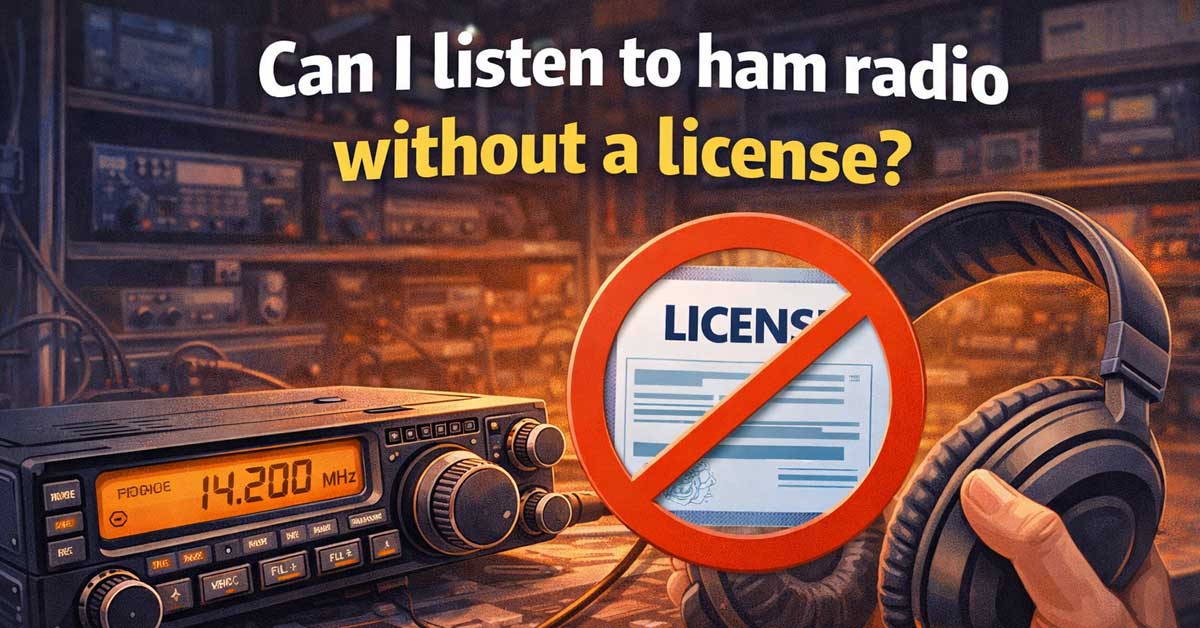

Yes — receiving is legal for anyone. Here’s what that actually means and how to do it.
One of the most common misconceptions about ham radio is that you need a license to have anything to do with it. The license requirement applies to transmitting — not listening. Anyone can legally listen to ham radio frequencies without a license, without registering anywhere, and without any government involvement. Here’s what that means in practice and how to actually do it.
Receiving vs. Transmitting: The Legal Distinction
FCC rules require a license to transmit on amateur radio frequencies. Transmitting without a license — keying up a microphone, sending a signal, responding to another operator — is illegal and can result in significant fines.
Receiving is an entirely different matter. No law in the United States requires a license, permit, or registration to listen to radio transmissions. This applies to ham radio, shortwave broadcasts, aviation frequencies, marine radio, and most other radio services. The airwaves are public — the transmitter needs authorization, but the listener does not.
This distinction is fundamental to how radio works. Every radio in every car, every AM/FM receiver, every weather radio is receiving transmissions it has no formal authorization to hear. Listening has never required a license in the US, and ham radio is no exception.

144MHz/430Mhz(136-174Mhz&400-470Mhz) Magnetic Base Antenna work for SO239 VHF&UHF mobile radio, Radio Scanner, Ham Radio Transceiver, Handheld & Amateur Radio Equipment.
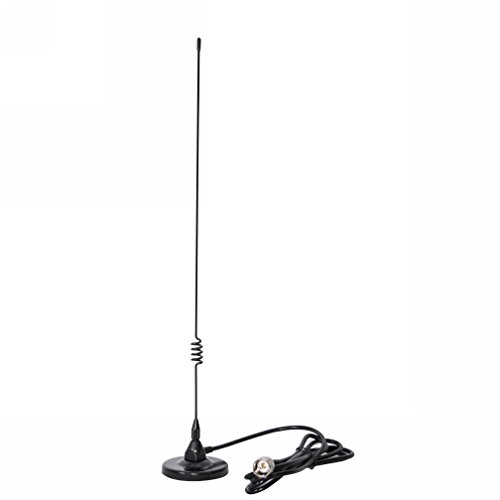
Include: X1 18 inches Dual-Band VHF & UHF Antenna, X1 10 Ft RG58 Cable with PL-259 Connector and Magntic Base.

[Directional YAGI antenna]Frequency: UHF 400-470MHz; Maximum Power Input-watts: 100W; Gain:9dBi(430MHz); Connector: SL16/UHF Female; Impedance: 50Ω; VSWR: less than 1.5; Bandwidth:20MHz; Front To Back Ratio: >15 dB
What You Can Hear
Ham radio covers an enormous range of frequencies and modes, and what you can actually hear depends on what equipment you have.
On VHF and UHF — the bands most accessible to beginners:
Local ham operators talking through repeaters are the easiest thing to find. Repeaters retransmit signals at higher power across a wide area, so a modest receiver can pick them up without difficulty. In any populated area there are typically multiple active repeaters covering the 2-meter band (144–148 MHz) and the 70cm band (430–450 MHz). Conversations range from casual check-ins and local nets to emergency communication traffic during severe weather.
On HF — the shortwave frequencies:
This is where things get genuinely interesting. HF reception opens up regional, continental, and global communication. You can hear ham operators in Europe, South America, Asia, and elsewhere depending on propagation conditions, the time of day, and the band you’re listening to. You’ll also hear international shortwave broadcasts, maritime communication, military and government traffic on adjacent frequencies, and the various digital modes ham operators use for data transmission.
Digital modes:
A significant and growing portion of ham radio activity happens in digital modes — FT8, JS8Call, PSK31, WSPR, and others — where data is transmitted as audio tones decoded by software. Receiving these requires a radio connected to a computer running decoding software, but the results are remarkable. FT8 in particular allows reception of signals from thousands of miles away that are completely inaudible to the human ear, decoded automatically by the software.

Built with metal material for enhanced durability, the RT-860 is dust-proof, crush-resistant, and made with eco-friendly materials, ensuring it withstands tough environments while being environmentally conscious. With support for 1024 channels, it offers exceptional versatility and performance


& Sealed Seams: Internally sealed with black resin for complete waterproofing, this unit offers reliable electronic protection. The encapsulated seams prevent ingress, making it ideal for outdoor installations. Whether rain or shine, your equipment stays safe and dry, ensuring uninterrupted operation.
What Equipment You Need
The equipment required depends on what you want to listen to.
For VHF and UHF: A Scanner or RTL-SDR
A basic handheld scanner — a radio designed specifically for monitoring multiple frequencies — works well for VHF and UHF ham activity. Models from Uniden and Whistler cover the 2-meter and 70cm bands along with public safety, aviation, and other services. Entry-level scanners start around $100 and give you a straightforward plug-and-play experience.
An RTL-SDR dongle is the more modern and dramatically cheaper option. Originally designed as a USB TV tuner, these small devices were discovered to work as wideband software-defined radio receivers. A basic RTL-SDR costs $25 to $35 and combined with free software like SDR# or GQRX covers a frequency range from roughly 25 MHz to 1.75 GHz — including all VHF and UHF ham bands. The tradeoff is that it requires more setup and a basic understanding of the software interface.
For HF: A Dedicated HF Receiver or SDR
Receiving HF requires different hardware than VHF/UHF. Most scanners don’t cover HF well. Options include:
A dedicated shortwave or communications receiver. Brands like Tecsun, Sangean, and CountyComm make portable receivers covering HF bands. These range from $50 for basic AM/shortwave portables to several hundred dollars for more capable receivers covering all amateur HF bands with SSB reception — necessary for most ham voice traffic on HF.
An SDR with HF capability. The basic RTL-SDR doesn’t cover HF directly, but with an upconverter attachment it can. Alternatively, SDRs designed specifically for HF coverage — like the SDRplay RSP1A or the Airspy HF+ Discovery — cost $100 to $200 and provide excellent HF reception across all amateur bands. Combined with free software they’re arguably the best value in HF listening available today.
WebSDR and KiwiSDR — no hardware at all. A network of publicly accessible software-defined radios connected to the internet allows anyone to listen to HF frequencies from anywhere in the world through a web browser. WebSDR.org and the KiwiSDR network host dozens of receivers across multiple continents. You can tune any HF amateur band right now from your laptop without buying a single piece of equipment. This is the easiest possible entry point for HF listening.

Multi-band coverage: It encompasses a wide frequency range including FM (64-108MHz), LW (153-470 KHZ), SW (1711KHz-30MHz), CB (26.965 MHz-27.405 MHz), and MW (520-1710KHz)....
Online Resources Make It Even Easier
Beyond WebSDR, several tools make ham radio listening accessible without significant investment.
repeaterbook.com lists nearly every active repeater in the United States and much of the world — searchable by location, band, and frequency. Find the repeaters near you, program them into a scanner or SDR, and you’re listening to local ham activity within minutes.
pskreporter.info shows real-time reports of digital mode signals being received worldwide — useful for understanding what’s propagating where before you start listening.
DXMaps.com shows real-time propagation reports and active contacts on HF bands, helping you identify which bands are open and where signals are coming from.
Various ham radio livestreams on YouTube and other platforms broadcast live receiver audio, including net operations, contest activity, and specialty transmissions.
What You’ll Actually Hear Day to Day
Expectations are worth calibrating. Ham radio listening varies enormously depending on band, time, location, and what’s happening in the hobby.
On a typical day on local VHF repeaters: You might hear a morning check-in net where local operators exchange signal reports and weather observations. Casual conversations between operators. Emergency traffic during severe weather if a net activates. Silence during quiet periods — not every repeater is busy every hour.
On HF during good propagation: Conversations in a half-dozen languages. Contest activity on weekends where operators make rapid-fire contacts trying to reach as many stations as possible. DX pile-ups where dozens of operators call a rare station simultaneously. CW — Morse code — which remains active on HF and sounds like rhythmic beeping to the uninitiated.
On digital modes via WebSDR: FT8 activity is nearly constant on popular bands. Watching a waterfall display light up with decoded contacts from Europe, Asia, and South America is genuinely compelling even without transmitting.
Listening as a Path to Licensing
Many licensed ham operators started as listeners. Spending time with a receiver before committing to a license lets you understand what the hobby actually sounds like, identify which aspects interest you most, and absorb operating practices and procedures before ever transmitting.
Listening to experienced operators on a net teaches correct procedure more effectively than reading about it. You hear how contacts are initiated, how signal reports are exchanged, how nets are controlled, and how operators handle unusual situations. By the time a new licensee transmits for the first time, they’ve usually absorbed enough from listening to sound reasonably competent.
The Technician license exam — 35 multiple choice questions — can be passed with a few weeks of focused study using free resources like HamStudy.org. The license is free to obtain. For anyone who finds the listening genuinely interesting, the jump to transmitting is a small one.
One Limitation Worth Knowing
While listening to ham radio is legal, acting on what you hear can have limits. The Electronic Communications Privacy Act places some restrictions on using intercepted radio communications for commercial advantage or personal gain, and repeating the contents of non-broadcast communications to third parties. For the vast majority of listening purposes — education, hobby, emergency awareness — this is irrelevant. But it’s worth knowing that receiving radio transmissions doesn’t make all uses of that information legally unrestricted.
Quick Summary
- Listening to ham radio is legal for anyone without a license
- Transmitting requires an FCC license — listening does not
- VHF/UHF listening is easiest with a scanner ($100) or RTL-SDR ($25–35)
- HF listening requires a shortwave receiver or HF-capable SDR, or a free WebSDR through a browser
- WebSDR.org is the zero-cost starting point — no hardware, no setup
- RepeaterBook helps you find active local repeaters worth monitoring
- A Technician license is the next step if listening turns into wanting to transmit
The Bottom Line
Anyone can listen to ham radio — legally, easily, and often for very little money. The license requirement stops at the transmit button. Everything before that point is open to anyone curious enough to tune in.
A $25 RTL-SDR dongle and free software covers VHF and UHF completely. A browser pointed at WebSDR.org covers HF without spending anything. Between those two options, the entire accessible range of ham radio listening is available to anyone with an interest.
You don’t need a license to listen — you need one when you decide you have something to say.

Multi-band Reception: Explore FM, AM, SW, SSB, VHF, UHF, AIR, CB, and WB frequencies, adaptable to multi-ITU regions. Effortlessly tune in with built-in frequency range and step selection settings, ensuring local acceptance wherever you roam
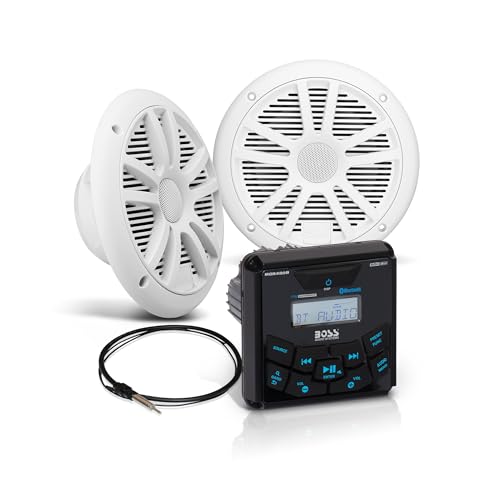
Bluetooth - Play and control music through your smartphone or MP3 player as well as apps like Spotify / Pandora, wirelessly
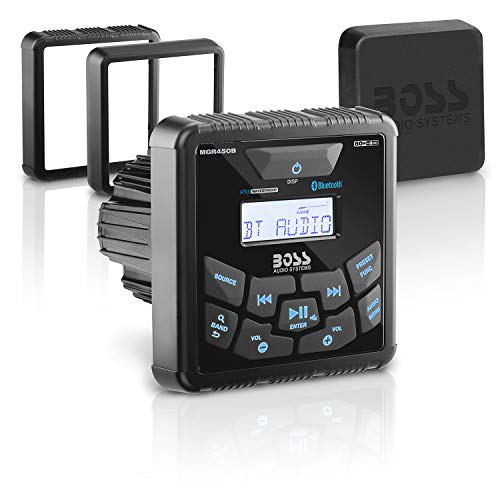
Bluetooth - Play and control music through your smartphone or MP3 player as well as apps like Spotify / Pandora, wirelessly

Meet Ry, “TechGuru,” a 36-year-old technology enthusiast with a deep passion for tech innovations. With extensive experience, he specializes in gaming hardware and software, and has expertise in gadgets, custom PCs, and audio.
Besides writing about tech and reviewing new products, he enjoys traveling, hiking, and photography. Committed to keeping up with the latest industry trends, he aims to guide readers in making informed tech decisions.